
Blog

Industry Leader in Offering Web and Digital Marketing Solutions.

Category Archives: Seo

Content That Performs for Both Search Engines and AI

Content That Performs for Both Search Engines and AI

The digital landscape is changing faster than ever. Traditional search engine optimization (SEO) is no longer the only route to visibility. With the rise of generative engines like ChatGPT, Gemini, and other AI-powered assistants, content needs to be designed not just for search results but also for intelligent systems that provide direct answers. To stay competitive, brands and creators must learn how to balance both.

Understanding the New Content Ecosystem

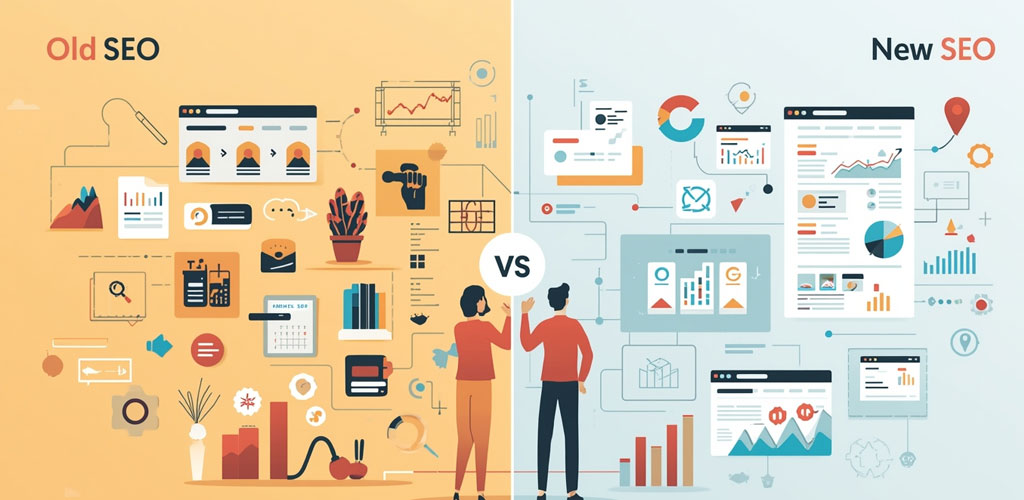
In the past, SEO was centered on ranking higher in search results by using targeted keywords, backlinks, and structured metadata. Today, generative engines are disrupting this process. Instead of directing users to multiple links, these systems provide ready-made answers, summaries, and suggestions within the conversation itself. This means your content must be structured in a way that both search engines can crawl and AI engines can understand.

Writing with Purpose and Clarity

Content that performs well across both systems starts with clarity. Search engines analyze text for relevance, while generative engines extract meaning to produce context-based answers. If your writing is cluttered or vague, it becomes harder for both to interpret. Aim for concise sentences, well-defined topics, and consistent messaging throughout your piece.

Building Authoritative and Trustworthy Material

Trust is becoming the backbone of digital visibility. Search engines reward authoritative sources with higher rankings, while generative systems prefer credible information to avoid spreading misinformation. To achieve this, your content should be well-researched, fact-checked, and updated regularly. Adding real insights, expert commentary, and original perspectives helps you stand out not only in search results but also in AI-driven answers.

Structuring Content for Easy Discovery

Generative engines thrive on structured content. Headings, subheadings, and clearly segmented paragraphs make it easier for algorithms to understand the flow of information. At the same time, search engines rely on these structures to highlight key snippets in results. By combining strong headline hierarchy with meaningful introductions and summaries, you create content that is both easy to navigate and machine-friendly.

Balancing Keywords with Natural Language

While keywords are still essential for SEO, they must be used naturally. Generative engines interpret language in a conversational way, so overstuffing keywords may harm readability and reduce relevance. Instead, focus on blending target keywords with natural expressions and real user questions. Think of how people phrase queries in both search engines and AI chats. For example, “best running shoes for beginners” might also appear as “what are good running shoes if I’m just starting out.” Addressing both styles makes your content adaptable.

Enhancing Engagement through Storytelling

Search algorithms may favor technical aspects, but readers and AI systems both respond to humanized content. Storytelling adds depth and relatability, making your information more memorable. Generative engines also tend to summarize engaging content more effectively because it carries context and intent. By weaving in real experiences, examples, or scenarios, you create content that connects emotionally while still serving informational needs.

Optimizing for Rich Media and Data

Both search and generative engines are learning to process more than plain text. Visuals, videos, and structured data like FAQs or schema markup increase your chances of being discovered. For search engines, these elements improve click-through rates, while generative engines may reference them when constructing answers. Even though the core of your strategy is written content, enhancing it with rich elements expands its reach and usability.

Measuring and Refining Performance

Creating content that works for search and generative systems is not a one-time effort. Analytics remain essential. For search engines, monitoring impressions, clicks, and rankings reveals how visible your content is. For generative engines, tracking referral traffic, mentions, and engagement metrics shows how often your content is being surfaced or referenced. Regular updates and refinements based on these insights help keep your content relevant in a constantly shifting environment.

Preparing for the Future of Content

The merging of SEO and generative AI is not a passing trend—it is the direction content marketing is heading. Writers, marketers, and businesses must embrace adaptability, where creativity meets technical optimization. By producing content that is authentic, structured, and conversational, you ensure visibility both in traditional search engines and in the emerging world of generative assistants.

generative engines

generative engines

The way people find information online is changing quickly. Search engines like Google still play a central role, but now generative engines such as ChatGPT and other AI-powered assistants are shaping how users discover content. To stand out in this new environment, businesses and creators must design content that is both search-friendly and ready for AI-driven platforms.

Understanding the New Search Landscape

Web pages are ranked by traditional search engines according to usability, authority, and relevancy. Generative engines, however, pull knowledge from multiple sources and present conversational answers directly to users. This means your content is no longer competing only for a spot on Google’s results page but also for visibility in AI-generated responses.

Writing for People First

Even with evolving algorithms, the golden rule remains the same: create content for people, not just machines. Generative engines are designed to mimic human-like responses, so they rely heavily on well-structured, clear, and helpful content. Writing in simple language, addressing user concerns directly, and offering valuable insights helps your content perform well across both search and generative platforms.

Clarity and Context Matter

Search engines scan for keywords and context, while generative engines look for deeper meaning and complete answers. Content that explains a concept step by step, provides context, and avoids vague wording is more likely to be featured. For example, instead of just stating a fact, explain why it matters and how it connects to related ideas.

Structured and Comprehensive Content

Organized writing is easier for both humans and AI to understand. Headings, succinct paragraphs, and fluid writing produce a logical structure. Generative engines prefer content that feels complete, so adding definitions, examples, and practical explanations can make your page a stronger source of information.

Using Keywords with Purpose

Keywords remain important for search visibility, but keyword stuffing can harm both rankings and user experience. Instead, integrate keywords naturally within your writing. Think of them as signals that tell search engines and AI what your content is about, while the surrounding sentences provide the full picture.

Building Trust Through Authority

Both search and generative engines prioritize trustworthy content. To build authority, include accurate data, credible references, and insights based on real expertise. Adding original perspectives or unique experiences gives AI more reasons to pull your content into its responses.

Optimizing for Engagement

Engagement is not only about clicks; it is about how long users stay and interact with your content. Clear explanations, relatable examples, and storytelling techniques keep readers engaged. The more meaningful interactions your content generates, the more it signals value to search and generative systems.

Preparing for the Future

As technology evolves, so will the way engines analyze and deliver information. The key is to stay adaptable—continue focusing on user needs, clarity, and depth. Content that educates, solves problems, and presents information in a human-friendly way will remain valuable, regaress of how the digital landscape shifts.

How to Measure International SEO Results

How to Measure International SEO Results

Expanding your business to international markets is one of the fastest ways to grow brand visibility, attract diverse audiences, and increase revenue. But simply launching a website in multiple countries or languages does not guarantee success. To truly connect with audiences abroad, you need a solid international SEO strategy that goes beyond traditional optimization. While reaching global markets is exciting, it comes with challenges that, if overlooked, can cost you time, money, and growth opportunities. Partnering with the right SEO Company India can help you streamline the process, but understanding how to measure success and avoid mistakes is equally important.

Why Measuring International SEO is Crucial

Many businesses make the mistake of thinking SEO is a one-time task. In reality, it is an ongoing process that demands regular monitoring. International SEO adds extra complexity because performance varies across countries, languages, and search engines. Without measurement, you might not know whether your investment is paying off or if your global presence is simply going unnoticed.

Tracking results allows you to understand user behavior in different regions, identify high-performing content, and pinpoint areas that need improvement. For instance, a keyword ranking well in the U.S. might not bring the same results in Germany or Japan due to cultural and linguistic differences. By measuring results, businesses can align strategies with actual data instead of relying on assumptions.

Key Metrics That Define Success

The first step in measuring international SEO is to focus on metrics that provide meaningful insights. Organic traffic remains one of the most important indicators, but it should be broken down by country and language. This helps you see where your website is truly gaining traction. Conversion rate is another critical metric, as high traffic without conversions signals a gap in targeting or user experience.

Search rankings should also be tracked regionally. A keyword may rank on the first page in one market but fail to appear in another due to competition or lack of localized content. Tools like Google Search Console allow you to analyze performance by country, making it easier to refine strategies. User engagement metrics like bounce rate and time on site provide additional insight into how well your localized content is received by audiences.

Common Mistakes That Cost Businesses

While many companies focus on expanding globally, they often fall into traps that end up hurting rather than helping. One of the most common mistakes is ignoring cultural differences in content. Directly translating content without localization can make your website feel robotic and irrelevant to users. A professional SEO Company India ensures your message is adapted for local audiences, not just translated word for word.

Another frequent error is using hreflang tags inappropriately. These tags signal to search engines which language and region a page is intended for. When misused, they confuse search engines, leading to duplicate content issues and reduced visibility. Similarly, businesses sometimes forget to optimize technical aspects like page speed on local servers, which can negatively affect user experience abroad.

Keyword research is another area where companies often stumble. Using keywords popular in your home country may not apply internationally. People’s search behavior is influenced by cultural quirks, local terminology, and alternate search patterns. Ignoring this factor can lead to wasted resources on irrelevant terms.

How to Build a Sustainable Strategy

A winning international SEO strategy combines technical optimization, cultural awareness, and continuous measurement. Start by defining clear goals for each target market. Instead of trying to compete everywhere, focus on regions where demand is highest. Conduct in-depth research on competitors in those markets to understand what already works.

Content should always be localized rather than just translated. This includes not only text but also images, payment options, and even customer support availability. Regular audits ensure that your strategy stays aligned with changing search engine algorithms and user behaviors. Partnering with an experienced SEO Company India gives businesses the advantage of expert knowledge in managing these complex tasks.

The Role of Consistent Evaluation

International SEO is not a set-and-forget approach. Search engines frequently update algorithms, and user behavior evolves with time. What works today may not be effective six months later. Consistent evaluation keeps your strategy relevant and cost-effective. Reviewing analytics monthly helps businesses identify which campaigns deliver ROI and which require adjustments.

Measuring success also prevents overspending. Instead of continuously pouring money into markets that are not responding, you can redirect efforts toward regions with real growth potential. This ensures every investment contributes to long-term global visibility.

Final Thoughts

Expanding internationally is a rewarding step for businesses ready to grow beyond borders. However, without a well-planned SEO strategy, the journey can become costly and frustrating. Measuring international SEO results gives you clarity, while avoiding mistakes like poor localization or weak technical setup saves resources. By working with a trusted SEO Company India, businesses can achieve sustainable growth, connect authentically with global audiences, and secure a competitive edge in international markets.

Image Optimization for SEO

Image Optimization for SEO

Why images matter in SEO

Images are not only helpful to make a website look attractive, but they also play a big role in SEO. Google and other search engines monitor how images are utilized and how quickly they load. If your images are heavy, your website may load slowly, and slow websites rank lower in search results. By optimizing images, you can improve loading speed, user experience, and search visibility.

What is image optimization

Image optimization means reducing the file size of images without losing quality. It also includes adding proper details like file names, alt text, and captions so that search engines can understand what the image is about. Optimized photos benefit search engines as well as users.

Choosing the right format

The first step is to use the right image format. For photographs, JPEG is a good option as it keeps quality and reduces file size. It is better to use PNG or SVG formats for graphics, logos, and icons. Using the right format makes sure your website loads faster while keeping images clear.

Compressing images

Large images can slow down your website. That is why compression is important. Image compression preserves the clarity of the image while reducing the file size. There are many free online tools where you can compress images before uploading them to your site. A smaller size means faster loading, which helps SEO.

Using descriptive file names

Most people upload images with names like “IMG001.jpg.” This does not tell search engines anything about the picture. Instead, use descriptive names like “red-running-shoes.jpg.” A simple and clear file name helps search engines understand the image and can improve your chances of showing up in image search.

Adding alt text

Alt text, also called alternative text, is very important for SEO. It describes the image in words. If an image does not appear on a page, the written description (alt text) is shown in its place. It also helps people using screen readers. For example, an alt text like “blue cotton shirt for men” is better than “shirt.” Adding proper alt text makes your website more accessible and boosts SEO.

Using image sitemaps

Search engines use sitemaps to find content on your website. If you have many images, adding them to your sitemap makes it easier for search engines to discover them. This improves the chances of your images appearing in Google Images.

Responsive images for mobile

Most users now visit websites from mobile phones. That is why it is important to make sure images look good and load fast on all devices. Responsive images automatically adjust size depending on the device. Using responsive images improves user experience and keeps visitors engaged.

Adding captions

Captions are short text under an image. They help explain what the image is about. Many users look at captions while scanning a page, so using them can keep readers on your site for longer. This increases engagement and sends positive signals to search engines.

Lazy loading images

Images that employ the lazy loading technique only load when the user scrolls to them. This speeds up the page’s initial loading, particularly when there are a lot of photos. User experience and SEO are enhanced by faster load times.

Testing image performance

After optimizing images, it is good to test how they perform. Tools like Google PageSpeed Insights or GTmetrix show whether your images are slowing down the site. Regular testing helps you fix issues and keep your site optimized.

Final thoughts

Image optimization is not only about reducing size but also about making images meaningful for both users and search engines. By choosing the right format, compressing images, writing clear file names, adding alt text, and making them mobile-friendly, you can improve your website’s SEO. A fast and user-friendly website always has a better chance to rank higher.

seo conversion

seo conversion

In digital marketing, reaching the right audience at the right stage of their journey is what drives results. This is why Tofu, Mofu, and Bofu keywords are so important. These keywords correspond to the stages of the sales funnel and play a vital role in moving potential customers from awareness to conversion. For any SEO Company India, understanding and using these keyword types effectively can mean the difference between random visitors and qualified leads.

What are Tofu Keywords

Tofu stands for Top of the Funnel. Tofu keywords are broad, informational, and usually address people at the awareness stage. When someone searches for a phrase like “what is SEO,” they are not ready to buy; they simply want to learn. Content built around Tofu keywords attracts a larger audience, improves visibility, and positions a brand as a source of knowledge. While these keywords may not directly generate conversions, they are essential because they bring people into the funnel and increase the chances of future engagement.

The Role of Mofu Keywords

Mofu represents the Middle of the Funnel. At this stage, users are aware of their problem and are looking for possible solutions. Mofu keywords are more specific and often used in comparisons or research. Someone searching for “best SEO strategies for startups” or “top SEO Company India” is in the Mofu stage. These keywords help businesses nurture leads, build trust, and provide detailed information that makes users consider them as a reliable option. From an SEO perspective, optimizing for Mofu keywords means attracting visitors who are more serious and closer to taking a decision.

Why Bofu Keywords Drive Conversions

Bofu stands for Bottom of the Funnel and represents the final decision-making stage. Bofu keywords are transactional in nature. People searching for “hire SEO Company India” or “SEO services pricing” are ready to take action. These keywords are highly valuable because they focus on users who are about to make a purchase or choose a service. Although Bofu keywords may bring less traffic compared to Tofu or Mofu, the leads generated at this stage are of the highest quality and have the greatest potential to convert.

The Importance of Tofu, Mofu, and Bofu for SEO

The strength of SEO lies not only in bringing traffic but in attracting the right kind of traffic at the right time. By using Tofu, Mofu, and Bofu keywords strategically, businesses can cover the entire buyer journey. Tofu keywords expand awareness, Mofu keywords establish trust, and Bofu keywords generate sales. A successful SEO strategy balances all three stages to ensure that no opportunity is missed. An experienced SEO Company India understands how to map content with these keywords so that every visitor, regardless of their stage in the funnel, has a path to follow toward conversion.

Conclusion

Tofu, Mofu, and Bofu keywords are more than just marketing terms; they are the foundation of a conversion-driven SEO approach. Tofu keywords bring visibility, Mofu keywords build engagement, and Bofu keywords deliver conversions. Businesses that align their SEO strategies with these stages are able to guide prospects smoothly through the funnel and achieve better results. Partnering with a professional SEO Company India ensures that your keyword strategy is optimized to bring not just traffic, but real growth and higher conversions.