When Big Traffic Numbers Lie: The New Reality of SEO Success

Category Archives: Digital Marketing

New Reality of SEO Success

For many years, SEO was judged by one simple rule: more traffic means better performance. Agencies showed graphs going up, clients felt happy, and everyone believed the strategy was working. But today, this idea is no longer reliable. Website traffic by itself does not guarantee growth, sales, or even brand impact.

Search behavior has changed. User expectations have changed. Even search engines have changed. If we still measure success only by visitor count, we miss the real picture.

Traffic Can Grow While Business Stays Flat

It is possible for a website to double its visitors and still see no improvement in revenue. This happens when the traffic is not connected to business goals. People may land on a blog, read for a few seconds, and leave. They may be curious, not serious buyers.

A digital marketing agency, for example, might rank for general topics like “what is SEO.” That keyword can bring thousands of readers. But most of those readers are students or beginners, not business owners ready to hire services. The numbers look impressive, but the leads remain low.

That is the hidden problem. Traffic without intent does not move the business forward.

Search Intent Is More Important Than Volume

Earlier, SEO focused heavily on high-volume keywords. The bigger the search volume, the better it seemed. Now, search engines understand intent much better. They analyze whether users want information, comparison, or purchase options.

If your content does not match that intent, visitors will leave quickly. When users do not find what they expect, engagement drops. Over time, rankings can drop too. So the goal is no longer just to attract clicks.

A smaller keyword with strong buying intent can be more powerful than a broad keyword with massive traffic.

The Invisible Customer Journey

Modern users do not follow a straight path. They may discover your brand through a blog, then watch a video on another platform, read reviews later, and finally visit your website directly. When they convert, analytics may show it as direct traffic. The original SEO effort becomes invisible.

This makes it difficult to judge SEO only by traffic reports. A blog post might not generate instant leads, but it can build trust and awareness. Weeks later, that same visitor might return and become a client. The connection exists, but it is not always clearly visible in simple traffic data.

Because of this, traffic numbers alone cannot tell the full story.

Engagement Reveals the Truth

If you want to understand real SEO performance, look beyond visitors. Study how people behave after they arrive. Do they spend time reading? Do they explore other pages? Do they fill out a form or request a call?

These actions show interest and trust. A smaller audience that interacts deeply with your content is more valuable than a large audience that leaves in seconds. Engagement metrics often reveal more about success than raw traffic figures.

Rankings Are Not Guaranteed Attention

Even strong rankings do not promise strong results. Search results today include AI summaries, featured answers, videos, and ads. Organic listings compete with many other elements. A website might rank well but receive fewer clicks than expected.

This means visibility is more complex than before. Content must be clear, helpful, and trustworthy to earn attention. Simply reaching the top is not enough if users do not feel confident clicking your link.

Redefining SEO Success

Real SEO success today means aligning search strategy with business outcomes. It means attracting users who are genuinely interested in your services or products. It means building credibility through helpful content and guiding visitors toward meaningful action.

Instead of celebrating traffic spikes, businesses should focus on qualified leads, inquiries, and sales growth. SEO should support long-term brand authority, not just short-term numbers.

Traffic is still important, but it is only one piece of the puzzle. When businesses understand this shift, they stop chasing vanity metrics and start building strategies that actually generate results.
Google Is Updating Budget Pacing

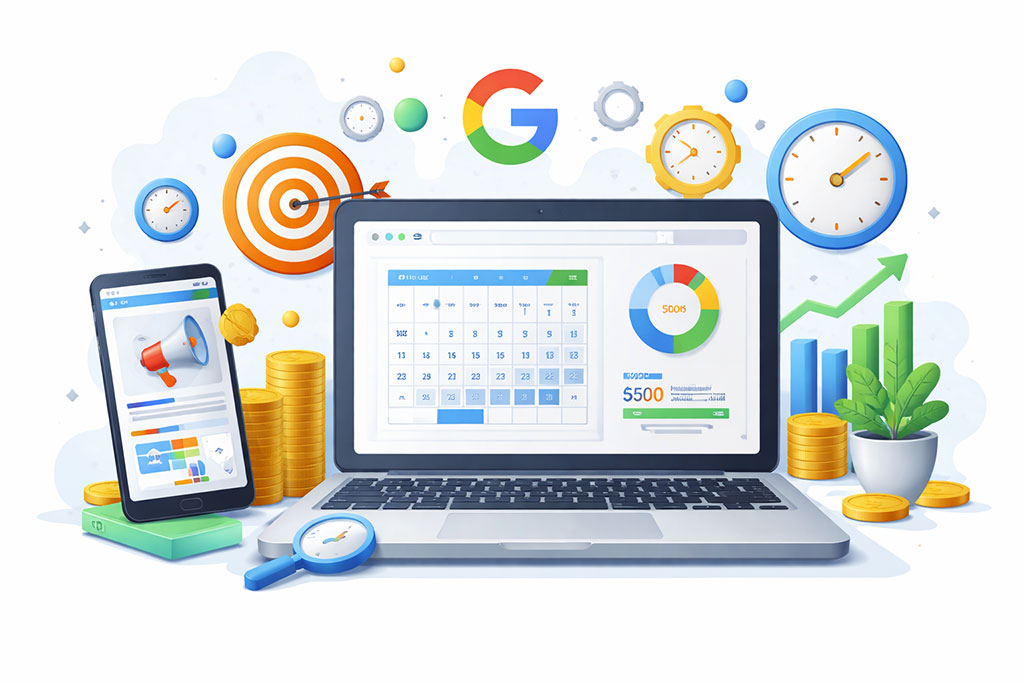
Google Ads is only one example of how digital advertising is always changing. Recently, Google introduced changes to how budget pacing works when advertisers use ad scheduling. This update has created confusion for many marketers, especially those who rely on specific time slots to control costs and improve performance. Understanding this change is important if you want your campaigns to run smoothly and deliver consistent results.

In simple terms, budget pacing is the way Google distributes your daily budget throughout the day. Earlier, when advertisers used ad scheduling to limit ads to certain hours, Google would try to evenly spread the daily budget only within those selected hours. Now, with the updated approach, the system focuses more on overall daily performance rather than strictly dividing the budget evenly across scheduled hours.

What Is Ad Scheduling in Google Ads?

Ad scheduling allows advertisers to choose specific days and times when their ads should appear. For example, a business may want ads to run only during office hours or during peak shopping times. This feature helps businesses reach users when they are most likely to convert.

Many advertisers used ad scheduling as a way to control spending. If a campaign had a limited budget, restricting ad hours could prevent the budget from being exhausted too early in the day. However, the recent update changes how this control works behind the scenes.

How Budget Pacing Worked Before

Previously, if you set your ads to run between 9 AM and 5 PM, Google would distribute your daily budget across those eight hours. The system aimed to keep spending balanced so your ads would not stop appearing too early within that window.

This method gave advertisers a sense of predictability. You could expect your budget to last for the entire scheduled time frame, assuming traffic levels were normal. Many small businesses relied on this behavior to manage limited daily budgets effectively.

What Has Changed Now?

With the updated budget pacing system, Google focuses more on maximizing performance rather than evenly spreading spending during scheduled hours. If the system detects high conversion opportunities at a specific time within your scheduled window, it may spend more of your budget during that period.

This means your budget could be used up faster if strong traffic and high intent users appear early in your scheduled hours. While this approach can improve overall campaign performance, it reduces manual control over pacing.

Google’s automated bidding strategies already prioritize conversions and value. The updated pacing logic aligns with this automation-focused direction. Instead of strict hourly distribution, the system now prioritizes moments that are more likely to drive results.

Why Google Made This Update

The main goal behind this change is performance optimization. Google wants campaigns to focus on outcomes rather than rigid spending patterns. If certain hours historically deliver better results, the system now has more flexibility to allocate budget accordingly.

Automation has become a central theme in Google Ads. Smart Bidding strategies use machine learning to analyze user signals, intent, and behavior in real time. The new pacing approach supports this automation by removing some of the older spending limitations tied to scheduling.

From Google’s perspective, spending more during high-performing periods improves return on ad spend. However, advertisers who depend on tight hourly control may need to rethink their strategies.

What This Means for Advertisers

If you are using ad scheduling mainly to control costs, you may notice that your daily budget runs out faster during high-traffic periods. This does not necessarily mean something is wrong with your campaign. It may simply reflect stronger performance opportunities earlier in the day.

To adapt, you should monitor your performance reports closely. Review hourly performance data to understand when conversions actually happen. Instead of using scheduling only to limit spending, use it to focus on performance trends.

If certain hours consistently underperform, you can still exclude them. But if your goal is stable daily visibility, you may need to adjust budgets rather than rely solely on scheduling.

Testing becomes more important under this new system. Run experiments to compare full-day campaigns against restricted schedules. Measure cost per conversion, impression share, and overall return on ad spend. Data should guide your decisions rather than assumptions about pacing.

Adapting to a More Automated Future

Google Ads is clearly moving toward automation and machine learning-driven optimization. Budget pacing changes connected to ad scheduling are part of this broader shift. While it may reduce some manual control, it also opens the door for better performance when managed correctly.

The key is understanding that ad scheduling is now more about strategic timing than strict budget control. Advertisers who focus on data, adjust budgets wisely, and align with automated bidding strategies will likely see better long-term results.

By staying informed and flexible, you can turn this update into an advantage instead of a challenge.

Google Merchant Center

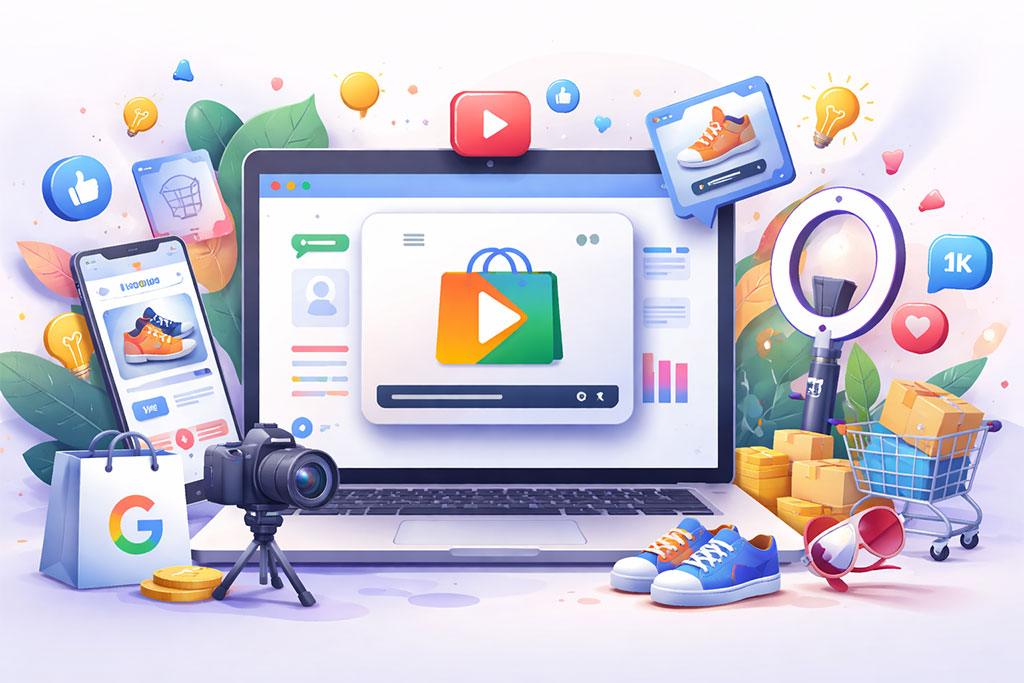
The digital advertising world is changing fast, and Google Merchant Center is evolving with it. What was once mainly a platform for managing product feeds is now becoming something much bigger. With Google automatically importing video content into Merchant Center, businesses are seeing a shift in how their products are displayed across Google platforms. This is not merely a minor update. It is a major move that connects product data and video content in one central place.4

Earlier, Merchant Center was mostly used to upload product details such as titles, prices, availability, and images. Businesses relied on this information to run Shopping ads and list products on Google. Now, Google is automatically pulling relevant video content and associating it with products. This means Merchant Center is slowly becoming a central video hub for eCommerce brands.

Why Video Content Is Becoming So Important

One of the most effective techniques in internet marketing nowadays is video.  Customers no longer want to just read product descriptions or see static images. They want to see how a product looks in real life, how it works, and how it fits into their lifestyle. Short-form videos, product demonstrations, and user-generated clips help customers make faster and more confident buying decisions.

Google understands this shift in user behavior. Platforms like YouTube have already shown how engaging video content can influence purchasing decisions. Now, Google is bringing that video experience closer to shopping results. By auto-importing videos into Merchant Center, Google ensures that product listings become more dynamic and interactive.

How Auto-Importing Works in Merchant Center

With this new development, Google can automatically detect videos related to your products from connected accounts and platforms. For example, if your brand has videos uploaded on YouTube and they are linked to your business account, Google may associate those videos with relevant products in Merchant Center.

This process reduces manual work for businesses. Instead of uploading videos separately for each product, Google identifies matching content and connects it automatically. As a result, product listings across Google surfaces may include engaging video previews without extra effort from advertisers.

This integration helps create a smoother experience between content creation and product promotion. Merchant Center is no longer just a data feed manager. It is becoming a content-powered shopping engine.

Impact on Shopping Ads and Organic Listings

When videos are connected to product listings, they can appear in different Google placements. These may include Shopping ads, free product listings, and other discovery-based placements. Video content increases the chances of attracting attention compared to simple product images.

For advertisers running campaigns through Google Ads, this update could improve performance metrics such as click-through rate and engagement. A product listing with video often stands out in crowded search results. Customers are more likely to click when they can preview the product in action.

For organic listings, the benefits are similar. Enhanced listings with video content can increase visibility and user interaction without additional ad spend. This makes it important for brands to focus on high-quality video production.

What This Means for eCommerce Brands

For eCommerce businesses, this shift means that video is no longer optional. If Merchant Center is becoming a video hub, brands need to think beyond static product feeds. Every product should ideally have supporting video content that demonstrates value, usage, or benefits.

This does not mean producing expensive commercial videos for every item. Even simple demonstration clips, behind-the-scenes content, or customer testimonials can be effective. The key is authenticity and clarity. Videos should answer customer questions and reduce hesitation before purchase.

Brands should also ensure their accounts are properly connected and optimized. Linking YouTube channels, verifying business information, and maintaining accurate product data will help Google correctly match videos to products.

A More Unified Shopping Ecosystem

Google’s move shows a larger trend toward unifying content and commerce. Instead of separating product data, ads, and videos into different systems, Google is bringing them together inside Merchant Center. This makes campaign management more centralized and strategic.

Advertisers can now think about their marketing in a more connected way. Product feeds, paid ads, and video content are no longer separate strategies. Together, they increase conversions and visibility. This integration also makes it easier to analyze how content influences shopping behavior.

As competition increases in online retail, businesses that adapt quickly to these changes will gain an advantage. Those who ignore video may fall behind as their listings appear less engaging compared to competitors.

Preparing for the Future of Visual Commerce

The transformation of Merchant Center into a video-focused hub signals the future of visual commerce. Customers want rich, interactive experiences even before they visit a website. Google is responding by blending shopping and video discovery more closely than ever.

To prepare, brands should audit their current video assets and identify gaps. Creating a consistent content strategy that aligns with product categories will help maximize visibility. Monitoring performance data inside Merchant Center and Google Ads will also become more important as video-driven listings grow.

In the coming years, we can expect even deeper integration between shopping features and video platforms. Merchant Center is no longer just a backend tool for uploading products. It is becoming a central stage where content and commerce meet.

Businesses that understand this evolution and invest in video content today will be better positioned for tomorrow’s digital marketplace.

9 SEO Metrics to Let Go of Before 2026

Search engine optimization has changed a lot over the last few years. With smarter algorithms, AI-driven results, and changing user behavior, many traditional SEO metrics no longer tell the full story. If you are still building your strategy around outdated numbers, your 2026 plan could suffer.

It is time to rethink what really matters. Below are nine SEO metrics that deserve less attention, and why focusing on them can hold your growth back.

Keyword Rankings Without Context

Ranking number one on Google used to be the ultimate goal. Today, it is not that simple. Search results now include featured snippets, AI summaries, shopping results, local packs, and videos. Even if your website ranks first organically, users may not even scroll to see it.

Instead of obsessing over ranking positions, focus on whether your keywords bring qualified traffic and real conversions. A lower-ranking keyword that generates leads is far more valuable than a top-ranking keyword that brings no business.

Total Organic Traffic Alone

High traffic looks impressive in reports. But traffic without intent is meaningless. If visitors land on your site and leave without taking action, the numbers do not help your business grow.

In 2026, quality matters more than quantity. It is better to attract 1,000 visitors who are ready to buy than 10,000 visitors who are just browsing.

Bounce Rate as a Fear Metric

Bounce rate often scares website owners. But it does not always signal a problem. A user may visit your blog, find the exact answer they need, and leave satisfied. That still counts as a bounce.

Search engines care more about user satisfaction than whether someone clicks a second page. Instead of panic over bounce rate, focus on engagement and conversions.

Domain Authority Obsession

Many marketers treat domain authority as a success score. However, it is a third-party metric, not a ranking factor officially used by search engines.

A lower authority site can still outrank bigger websites if the content is more relevant and useful. Building trust and expertise is more important than chasing a number created by SEO tools.

Number of Backlinks

Backlinks are important, but counting them blindly is risky. One strong, relevant backlink from a trusted website can be more powerful than hundreds of weak ones.

In 2026, quality, relevance, and natural linking patterns will matter far more than volume.

Exact Match Keyword Density

There was a time when repeating a keyword many times improved rankings. Today, this approach can harm your website. Search engines understand context, synonyms, and user intent.

Content should be written naturally for people first. If your article sounds robotic because of forced keyword usage, it will hurt both user experience and rankings.

Page Views Per Session

This metric once suggested how engaging a website was. But modern users prefer fast answers. If your content solves a problem clearly on one page, users may not need to click further.

More pages viewed does not always mean better performance. Clear and helpful content is what truly matters.

Impressions Without Click Analysis

Impressions show how often your page appears in search results. But if impressions are high and clicks are low, it may indicate weak titles or mismatched intent.

Instead of celebrating impressions alone, evaluate how effectively your content encourages users to take action.

Time on Page as a Standalone Metric

Longer time on page may seem positive, but it does not always mean users are engaged. They might be confused, distracted, or comparing other tabs.

Context is key. Combine this metric with conversions, scroll depth, and user actions to understand real performance.

What Should Replace These Metrics?

SEO in 2026 should focus on business outcomes. Conversions, qualified leads, revenue from organic traffic, and user satisfaction signals should guide your strategy. Search engines are becoming more intelligent, and they reward websites that genuinely help users.

The future of SEO is not about chasing numbers for reports. It is about building authority, trust, and relevance in your niche.

If you stop relying on outdated metrics and start measuring what truly impacts your business, your 2026 strategy will be stronger, smarter, and more profitable.

Keywords Turning Back On in Google Ads

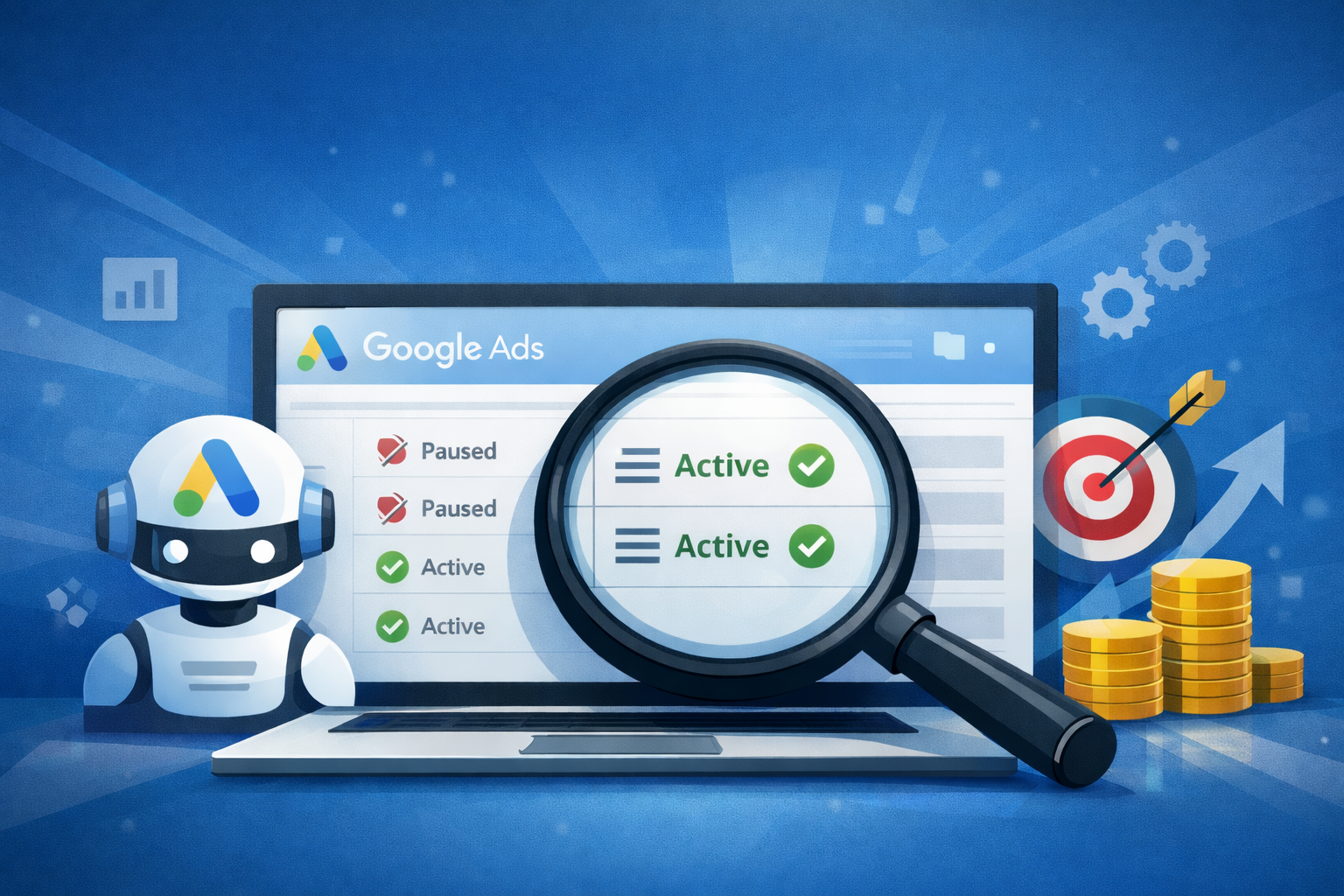
Many advertisers get confused when they see paused keywords suddenly running again inside their Google Ads account. You pause a keyword for a reason. Maybe it was wasting budget. Maybe it was irrelevant. Maybe you were testing something new. Then one day, you open your account and notice that the keyword is active again.

If this has happened to you inside Google Ads, you are not alone. Let’s understand why this happens and how you can control it.

Understanding How Google Ads Automation Works

Over the past few years, Google Ads has become more automated. Google promotes automation features that help advertisers improve performance without manually adjusting everything. These features include automated bidding, smart campaigns, recommendations, and auto-apply settings.

Sometimes, when certain automation features are enabled, the system may re-enable paused keywords if it believes those keywords can improve campaign performance. The platform analyzes search behavior, past performance data, and conversion trends. If the system predicts that a paused keyword can generate conversions at a good cost, it may suggest reactivating it.

If auto-apply recommendations are turned on, the system can automatically implement these suggestions without asking for manual approval.

The Role of Auto-Apply Recommendations

One common reason paused keywords get re-enabled is the “Automatically apply recommendations” feature. Inside Google Ads, there is a recommendations section where the system suggests improvements. These suggestions can include adding new keywords, switching match types, adjusting bids, or even re-enabling paused keywords.

If auto-apply is enabled, Google may automatically activate suggestions that fit your campaign goals. This can include turning paused keywords back on.

Many advertisers turn on this feature without fully reviewing what it allows the system to control. Later, they notice unexpected changes inside their campaigns.

Impact of Smart Bidding and Broad Match

Another reason keywords may behave differently is the use of Smart Bidding strategies. When using strategies like Target CPA or Maximize Conversions, Google focuses more on conversion probability than strict keyword control.

If you are using broad match keywords along with Smart Bidding, the system gets more flexibility. While it may not always directly “re-enable” a paused keyword in every case, automation can expand targeting and behave in ways that feel similar.

Because Google’s algorithm focuses on results rather than manual structure, it may override certain manual decisions if automation settings allow it.

Could It Be a Change in Account Access?

Sometimes the issue is not automation. It could be account access. If multiple people manage your Google Ads account, someone else may have reactivated the keywords.

Agencies, team members, or previous managers may make changes without informing everyone. In such cases, checking the Change History section inside Google Ads will clearly show who made the modification and when it happened.

The Change History tool is very helpful because it provides complete transparency. It shows keyword edits, bid changes, campaign adjustments, and status updates.

Why Google Encourages Automation

Google designs its advertising platform to improve performance through machine learning. From Google’s perspective, automation helps advertisers get better results with less manual effort.

However, not every automated suggestion aligns with your business strategy. For example, you may have paused a keyword because the traffic quality was poor, even if conversions were happening. The system may not fully understand qualitative business factors like lead quality, customer lifetime value, or offline sales feedback.

This is why full automation without supervision can sometimes create confusion.

How to Stop Keywords from Re-Enabling Automatically

If you want complete control, you need to review your settings carefully.

First, go to the Recommendations section and check whether auto-apply is enabled. If it is turned on, review which types of recommendations are allowed to apply automatically. You can disable the option that allows the system to re-enable paused keywords.

Second, regularly check the Change History tab. This will help you identify whether automation or a user made the change.

Third, make sure account access is limited to trusted users. Remove old agency access if necessary and confirm permission levels.

Finally, review your bidding strategy. If you prefer more manual control, consider using Manual CPC instead of fully automated strategies.

Should You Completely Avoid Automation?

Not necessarily. Automation in Google Ads can be powerful when managed properly. Smart Bidding can improve conversions. Broad match can discover new search terms. Recommendations can identify missed opportunities.

The key is balance. Automation should support your strategy, not replace it entirely. You should review changes regularly and ensure they align with your campaign goals.

For experienced advertisers, automation works best when combined with strong monitoring and clear objectives.

Final Thoughts

If your paused keywords are getting re-enabled automatically in Google Ads, do not panic. In most cases, it happens because of automation settings or auto-apply recommendations. Sometimes, it may be due to shared account access.

The solution is simple. Review your settings, check change history, and adjust automation preferences according to your comfort level.

Google Ads is becoming smarter every year, but it still needs human supervision. When you combine automation with proper monitoring, you can maintain control while still benefiting from Google’s machine learning capabilities.

Understanding how the system works will help you avoid confusion and manage your campaigns more effectively.