The Future of Shopping and Advertising: How Google Is Building an AI-Driven Marketplace for 2026

Category Archives: Digital Marketing

Future of Shopping and Advertising

The way people shop online is changing fast. What once started with simple keyword searches and product listings is now evolving into a smarter, more personalized experience powered by artificial intelligence. Google has recently shared its vision for 2026, and it clearly shows a shift toward an AI-powered, agent-driven future for shopping and advertising. This transformation will not only change how consumers buy products but also how businesses run ads and connect with customers.

A New Era of AI-Powered Shopping

In the coming years, shopping will become more conversational and intuitive. Instead of typing basic keywords like “running shoes for men,” users will interact with AI systems that understand detailed requests. For example, someone might say, “I need lightweight running shoes for daily jogging that are good for flat feet and under $150.” AI will analyze this request, compare products, check reviews, and provide tailored recommendations instantly.

This means search engines will move beyond showing a list of blue links. AI will act more like a personal shopping assistant. It will understand context, preferences, and even previous buying behavior to deliver highly personalized suggestions. For consumers, this creates a faster and smoother buying journey. For brands, it increases the importance of providing accurate product data and strong online visibility.

The Rise of Agent-Driven Experiences

One of the biggest changes expected by 2026 is the rise of AI agents. These agents will not just answer questions but take action on behalf of users. Imagine telling your AI assistant to find the best flight and book it within your budget. Or asking it to compare smartphones and complete the purchase once a price drops.

In shopping, AI agents will help users track deals, compare features, and even complete transactions. Instead of users visiting multiple websites, the AI will gather and analyze information in seconds. This shifts the power from manual browsing to intelligent automation.

This presents a challenge as well as an opportunity for advertisers. Brands will need to optimize not just for human users, but also for AI systems that evaluate products and services. Clear product feeds, strong reviews, accurate pricing, and reliable shipping details will become more important than ever.

Advertising in an AI-First World

As shopping becomes smarter, advertising will also transform. Traditional ads focused heavily on keywords and manual targeting. In the AI-driven future, machine learning will handle most of the decision-making. Campaigns will automatically adjust bids, audiences, and creatives based on performance data.

Google’s AI systems will better predict user intent. Instead of targeting someone just because they searched for a product once, AI will analyze patterns, interests, and buying signals across different platforms. Ads will feel more relevant and less intrusive.

For businesses running Google Ads, this means automation will play a bigger role. Tools like Performance Max campaigns are early examples of this shift. These campaigns use AI to show ads across multiple placements including Search, Display, YouTube, and Shopping. By 2026, this level of automation will likely become the standard rather than the exception.

However, this does not mean marketers will lose control. Instead, their role will evolve. Instead of manually managing every keyword and bid, marketers will focus more on strategy, creative quality, audience insights, and data analysis.

Personalization at Scale

AI-powered systems will allow brands to deliver personalized experiences to millions of users at the same time. Ads will adapt based on location, behavior, interests, and even real-time intent signals. Someone searching for winter jackets in a cold region may see a different message compared to someone browsing casually in a warm city.

This level of personalization increases conversion rates and improves user satisfaction. When ads feel helpful instead of random, users are more likely to engage. Businesses that understand their audience deeply and provide strong creative content will benefit the most.

The Importance of Data and Trust

With more AI involvement comes greater responsibility around data usage and privacy. Users want personalized experiences, but they also expect transparency and security. Google’s future strategy emphasizes responsible AI development, ensuring that systems are safe, fair, and privacy-focused.

Brands will need to build trust with their customers. Clear communication about data usage and delivering real value through ads will become essential. Companies that misuse data or create misleading ads may lose visibility in an AI-driven ecosystem that prioritizes quality and relevance.

What This Means for Businesses

For businesses and digital marketers, the shift toward AI-powered shopping is not something to fear. It is something to prepare for. The focus should move toward high-quality product content, strong branding, authentic reviews, and smart automation strategies.

Companies should start investing in structured product data, strong creatives, and conversion-focused landing pages. Understanding how AI systems interpret content will become as important as understanding customer psychology.

The brands that adapt early will have a competitive advantage. As AI agents take a bigger role in decision-making, visibility will depend on clarity, accuracy, and overall customer experience.

Conclusion

By 2026, shopping and advertising will look very different from today. Google’s vision of an AI-powered, agent-driven future highlights a world where intelligent systems guide users through discovery, comparison, and purchase. Ads will become more personalized, automation will increase, and AI agents will act on behalf of consumers.

For businesses, this transformation is an opportunity to build smarter campaigns and stronger customer relationships. The future belongs to brands that combine creativity with technology and embrace the power of AI to deliver meaningful shopping experiences.
PPC measurement

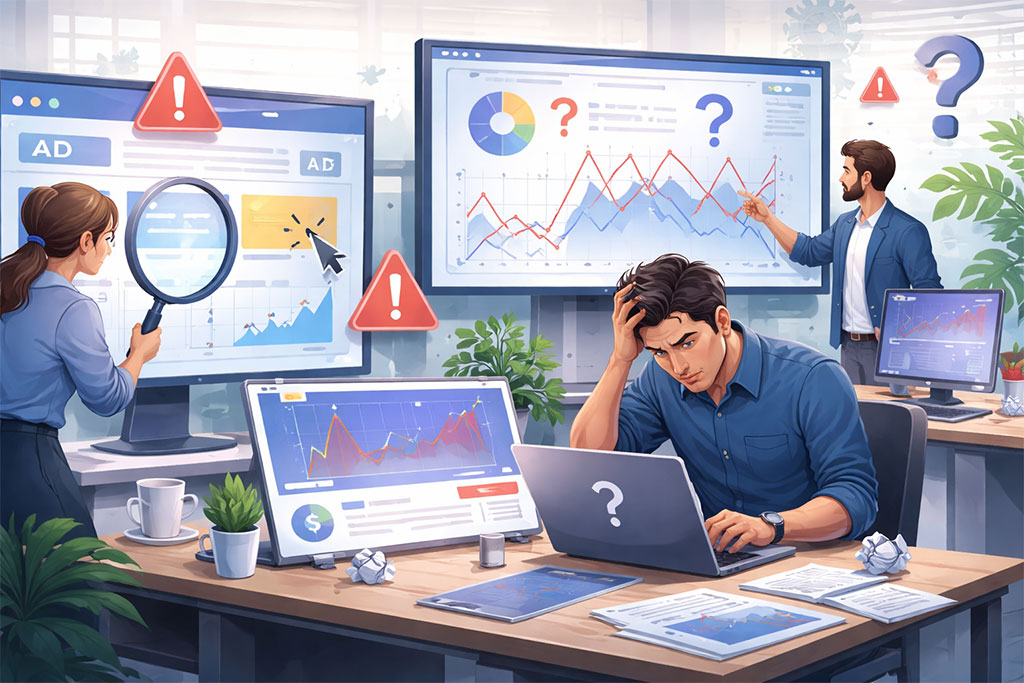
Pay-per-click advertising has always been built on numbers. Clicks, impressions, conversions, return on ad spend — everything is measurable. That is why many businesses love PPC. It promises clarity. But recently, many advertisers feel frustrated. Conversion numbers don’t match analytics. Meta reports different results than Google. Sales happen, but tracking tools don’t show them properly. It starts to feel like PPC measurement is broken.

The truth is simple. PPC measurement is not broken. It has just changed.

The Illusion of Perfect Tracking

In the early days of digital advertising, tracking felt clean and accurate. Cookies followed users across websites. Attribution models were simple. A click happened, a purchase happened, and platforms took credit for it. Marketers believed they were seeing the full picture.

But even then, tracking was never perfect. It only appeared that way because users moved between fewer devices and privacy rules were minimal. As technology evolved, user behavior became more complex. Now people browse on mobile, purchase on desktop, research on tablets, and sometimes complete transactions inside apps. Tracking that journey perfectly is difficult.

What feels broken today is actually a shift from “easy tracking” to “realistic tracking.”

Privacy Changes Changed the Game

One of the biggest reasons advertisers feel confused is privacy regulation. Laws like GDPR and POPIA, along with iOS privacy updates, limit how platforms collect and share data. When users opt out of tracking, platforms lose visibility.

This does not mean conversions are not happening. It simply means not every action can be tracked the way it used to be. Instead of 100 percent visibility, advertisers now see modeled data. Platforms use machine learning to estimate missing conversions based on patterns.

When numbers look smaller than expected, it is often because tracking visibility is reduced, not because performance has collapsed.

Attribution Is No Longer Simple

Another reason PPC measurement feels unreliable is attribution confusion. A user might click a Meta ad, later search on Google, then directly type the website URL before purchasing. Which platform should get credit?

Different tools use different attribution models. Meta may claim a conversion within a 7-day click window. Google Analytics may attribute the same sale to organic search or direct traffic. The business owner sees conflicting numbers and assumes something is wrong.

Nothing is broken. The platforms are simply using different rules to assign credit. Understanding attribution windows and models is more important than chasing perfect alignment between tools.

The Gap Between Platform Data and Reality

Many businesses compare platform-reported conversions with actual sales and panic when numbers do not match exactly. It is important to remember that no analytics system captures every action perfectly.

Ad blockers, cookie restrictions, browser limitations, and cross-device behavior all create small data gaps. Instead of expecting identical numbers everywhere, focus on trends. If spend increases and revenue increases consistently, the system is working even if tracking reports slightly lower conversions.

Measurement should guide decisions, not create fear.

Performance Marketing Is Now About Signals, Not Certainty

Modern PPC works on signals. Platforms optimize campaigns based on patterns they detect in user behavior. Even when tracking is partial, machine learning still understands which audiences are likely to convert.

This is why campaigns can still perform well even when reported conversions appear lower. The algorithm uses broader behavioral signals beyond what you see in your dashboard.

Trusting the system does not mean ignoring data. It means understanding that dashboards show part of the story, not the entire customer journey.

Why It Feels More Stressful Than Before

The reason measurement feels broken is psychological. When marketers cannot see every step clearly, they feel a loss of control. PPC used to feel predictable. Now it feels abstract.

But performance marketing has matured. Instead of micro-managing every metric, advertisers must focus on bigger indicators like overall return, blended revenue, and customer acquisition cost across channels.

Clarity does not come from perfect tracking. It comes from consistent patterns.

What Smart Advertisers Do Instead

Smart advertisers adapt. They compare trends month over month instead of obsessing over daily fluctuations. They analyze funnel drop-offs. They use server-side tracking and enhanced conversions to improve data quality. Most importantly, they measure business growth, not just platform metrics.

When purchases rise alongside ad spend, campaigns are working. When revenue scales sustainably, PPC is doing its job.

Measurement is not broken. Expectations are outdated.

The Real Perspective

PPC today operates in a privacy-first world. That means partial visibility, modeled data, and cross-channel attribution complexity. Instead of trying to force perfect measurement, businesses must accept that marketing is probabilistic.

The goal is not to track every click with absolute certainty. The goal is to drive profitable growth.

If your revenue is increasing, your cost per acquisition is stable, and your audience engagement is strong, your PPC measurement is not failing you. It is simply evolving.

Understanding this shift removes frustration and replaces it with strategy. The advertisers who succeed are not the ones demanding perfect numbers. They are the ones who interpret imperfect data intelligently and make confident decisions anyway.

PPC measurement is not broken. It has just grown up.

Off-Page SEO

Introduction

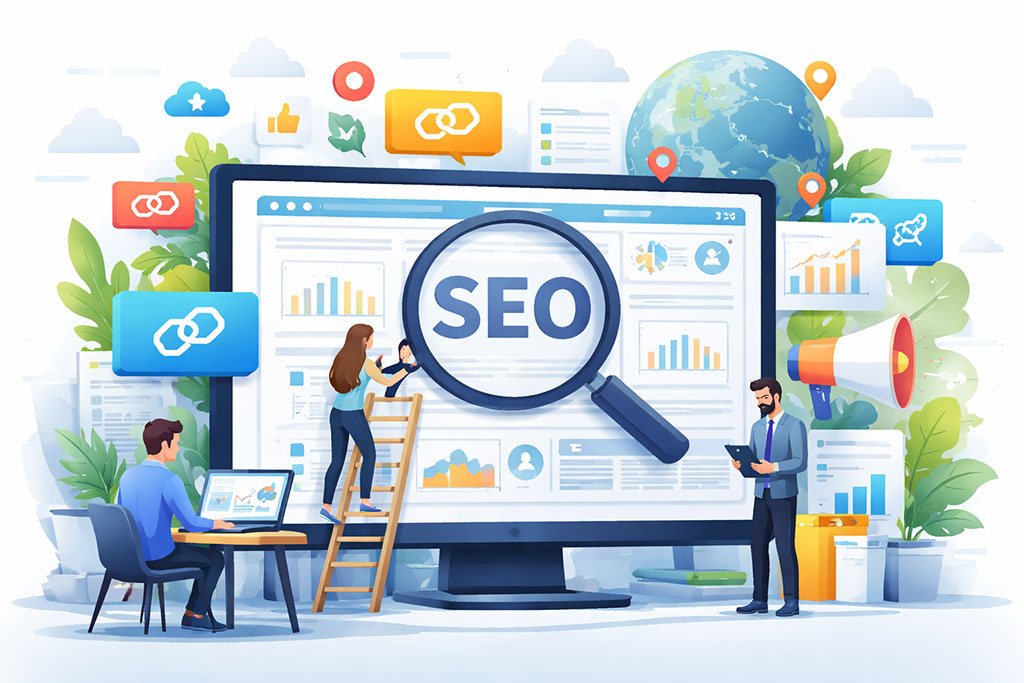
Many people believe that off-page SEO has lost its power in 2026 because search engines have become smarter. The truth is very different. While algorithms now focus more on intent, experience, and trust, off-page SEO still plays a major role in how visible a website is online. It acts as a signal of credibility, popularity, and authority, helping search engines decide which brands deserve top positions.

Off-Page SEO Is About Trust, Not Tricks

Off-page SEO today is no longer about collecting random backlinks. Search engines now evaluate how trustworthy a brand looks across the internet. Mentions on relevant websites, natural backlinks, brand citations, and even discussions around your business all contribute to this trust factor. In 2026, search engines rely heavily on these external signals to confirm that a website is genuine and reliable.

Backlinks Still Influence Rankings

Even with AI-driven algorithms, backlinks remain one of the strongest ranking factors. However, quality matters more than quantity. A few links from authoritative and relevant websites can create a stronger impact than hundreds of low-quality links. Search engines analyze where the link comes from, how natural it looks, and whether it adds value to users. This makes link building a strategic activity rather than a shortcut.

Brand Mentions Matter More Than Ever

In 2026, search engines are smart enough to recognize brand mentions even without links. When people talk about your business on blogs, forums, social media, or news platforms, it sends a strong signal of relevance. These mentions help search engines understand your brand’s presence in your industry and improve overall visibility.

Social Signals Support Discoverability

While social media may not directly boost rankings, it strongly supports off-page SEO. Content that gets shared, discussed, and engaged with increases reach and attracts organic backlinks. A strong social presence also helps build brand authority, making it easier for search engines to trust your website over competitors with weak external signals.

Local Off-Page SEO Builds Regional Authority

For businesses targeting specific locations, off-page SEO plays a critical role. Reviews, local citations, and business listings help search engines verify your physical presence and reputation. In 2026, local trust signals are essential for appearing in map results and location-based searches, especially for service-based businesses.

Off-Page SEO Complements On-Page Efforts

Even the best on-page SEO cannot perform well without off-page support. Search engines look at the complete picture. A well-optimized website backed by strong external signals stands a much better chance of ranking higher. Off-page SEO validates the quality of your content and confirms that others find it useful.

Conclusion

Off-page SEO is far from outdated in 2026. It has evolved into a system that measures trust, authority, and real-world reputation. Backlinks, brand mentions, social visibility, and external credibility all work together to shape how search engines view your website. Businesses that invest in genuine off-page SEO strategies continue to enjoy stronger visibility, better rankings, and long-term growth.

center of Google Ads

For a long time, Google Ads was all about keywords. Advertisers would choose exact words, match types, and hope users typed the same terms into Google. If the keyword matched the search, the ad appeared. Simple.

But Google Ads has changed. Today, it does not rely only on keywords. It focuses on user intent. This shift has completely changed how ads work, how campaigns perform, and how businesses should approach paid advertising.

What Keywords Meant in the Past

Earlier, keywords were the center of Google Ads. If you sold shoes, you bid on keywords like “buy shoes online” or “men’s running shoes.” Exact match and phrase match were important because Google showed ads only when searches closely matched your chosen keywords.

If your keyword list was not perfect, your ads would not show. If your keyword was too broad, you wasted money. Success depended on keyword research more than anything else.

Why Keywords Alone Are Not Enough Anymore

People no longer search in the same way. Today, users ask questions, use voice search, type long sentences, and expect Google to understand what they really want. Two people may search using different words but want the same solution.

Google realized that matching words is not enough. Understanding intent is more important than matching text. That is why Google Ads now focuses on what the user wants, not just what they type.

What Does “Intent” Mean in Google Ads?

Intent means the purpose behind a search. When someone searches on Google, they may want to buy something, compare options, find a service, or learn information.

Google uses data like search history, location, device, previous behavior, and search patterns to understand this intent. Even if the search words are different, Google can still identify whether the user is ready to buy or just researching.

For example, someone searching “best laptop for office work” and another searching “business laptop under 80000” may have the same intent. Google Ads now treats these searches as related, even if keywords are not the same.

How Google Ads Uses Intent Today

Modern Google Ads campaigns use machine learning to predict which users are most likely to convert. Instead of depending only on keyword matching, Google looks at signals like time of search, device type, user behavior, and past actions.

Broad match keywords, Smart Bidding, Performance Max campaigns, and responsive search ads all work together to target intent. Advertisers give Google guidance, and Google decides when and where ads should appear.

This means your ad can show even if the exact keyword is not in your list, as long as the intent matches your offer.

Why This Change Is Good for Advertisers

Intent-based advertising helps businesses reach the right people, not just the right keywords. You can reach potential customers even when they search in new or unexpected ways.

This also saves time. You do not need to create massive keyword lists anymore. Instead, you focus on understanding your audience, writing strong ad copy, and improving landing pages.

When campaigns are optimized for intent, conversions usually improve because ads are shown to users who are more likely to take action.

What Matters More Than Keywords Now

Today, Google Ads success depends on ad relevance, user experience, and conversion data. Your landing page content, page speed, and clarity of offer play a big role.

Ad copy must speak directly to the user’s problem and solution. Conversion tracking is critical because Google uses this data to learn who your ideal customer is.

Keywords still exist, but they guide Google instead of controlling it.

How Advertisers Should Adapt

To succeed with modern Google Ads, you need to think beyond keywords. Focus on your customer’s journey. Understand what problems they are trying to solve and what stage they are in.

Use clear messaging, strong headlines, and simple landing pages. Allow Google’s automation to work, but monitor performance regularly and optimize based on results.

When you align your ads with user intent, Google does the heavy lifting for you.

Final Thoughts

Google Ads has evolved. It is no longer a keyword-matching tool. It is an intent-driven advertising platform.

Keywords still matter, but intent matters more. Advertisers who understand this shift and adapt their strategy will see better leads, better conversions, and better return on ad spend.

In today’s Google Ads world, success comes from understanding people, not just keywords.

SEO Plans Collapse

Introduction

Every January, businesses feel motivated. New goals, new budgets, and a brand-new SEO roadmap. The plan looks perfect on paper—keywords mapped, blogs scheduled, backlinks planned. But by March or April, everything starts falling apart. Rankings stall. Traffic drops. Teams lose interest. Suddenly, the SEO roadmap that looked so promising in January is forgotten.

This happens every year, and not because SEO “doesn’t work.” It happens because most SEO roadmaps are built for January optimism, not for real-world changes that happen throughout the year.

Let’s understand why SEO roadmaps break early and, more importantly, how to build one that survives—and grows—across the entire year.

The January SEO Mindset Is Too Ideal

January planning often assumes everything will go exactly as expected. Content will be published on time. Algorithms will stay stable. Competitors won’t change strategies. But SEO doesn’t work in a perfect environment.

Search engines update frequently. User behavior shifts. New competitors enter the market. When a roadmap is built without flexibility, even a small change can break the entire plan.

SEO is not a one-time setup. It’s a living process. A roadmap that doesn’t accept this reality is already weak from day one.

One Big Reason: Too Much Focus on Keywords, Not Users

Many SEO plans start and end with keywords. While keywords are important, search engines now care far more about search intent and user experience.

If your roadmap is only about ranking for terms and not about solving real problems for users, it won’t last long. You may see short-term movement, but long-term growth becomes difficult.

Strong SEO roadmaps focus on questions users ask, problems they face, and solutions they are actively searching for—not just keyword volume.

Content Calendars That Are Too Rigid

Another reason SEO plans fail is overly strict content calendars. Businesses plan three to six months of content in advance without leaving room for updates, trends, or performance insights.

If a topic doesn’t perform well, many teams still continue publishing similar content because it’s “in the plan.” This wastes time and resources.

A smart roadmap allows you to pause, optimize, and redirect content based on real data, not assumptions made in January.

Ignoring Technical SEO Until Something Breaks

Technical SEO is often treated as a one-time task. Site speed, indexing, mobile usability—checked in January and ignored afterward.

But websites change constantly. New pages are added. Plugins update. CMS changes happen. Without regular technical reviews, issues quietly grow and affect rankings.

A roadmap that doesn’t include ongoing technical health checks is guaranteed to struggle later in the year.

No Clear Measurement Beyond Traffic

Many SEO plans only track traffic. When traffic doesn’t increase fast enough, teams lose confidence and abandon the roadmap.

But SEO success should be measured in multiple ways—engagement, conversions, visibility, brand searches, and content performance.

A roadmap built only around traffic numbers can feel like a failure even when SEO is actually working in the background.

How to Build an SEO Roadmap That Survives the Year

The key is to build a roadmap that is flexible, realistic, and aligned with how SEO actually works today.

Start with clear business goals. SEO should support revenue, leads, brand visibility, or authority—not just rankings. When goals are clear, the roadmap becomes more focused and meaningful.

Next, build your plan in phases instead of months. Instead of saying “January to March,” think in terms of learning phases, optimization phases, and growth phases. This allows you to adapt without feeling like the plan is broken.

Make Content Improvement Part of the Plan

Many roadmaps focus only on creating new content. But updating existing content is often more powerful.

Search engines reward freshness and relevance. A roadmap that includes content updates, expansions, and refinements will perform better than one focused only on publishing new blogs.

This also reduces pressure on content teams and keeps SEO momentum strong throughout the year.

Leave Space for Algorithm Updates and Trends

Algorithm updates are unavoidable. A strong SEO roadmap doesn’t panic when updates roll out—it expects them.

Instead of locking everything in advance, leave room for experimentation and quick adjustments. This mindset helps teams respond calmly and strategically when changes happen.

SEO success comes from adaptation, not rigid execution.

Align SEO With Other Marketing Channels

SEO works best when it’s not isolated. Paid ads, social media, email campaigns, and even offline marketing all influence search behavior.

A roadmap that considers brand searches, campaign spikes, and seasonal demand performs better over time. SEO should support the full marketing ecosystem, not exist separately.

Review, Learn, and Adjust Every Month

The strongest SEO roadmaps include regular review checkpoints. These are not moments to criticize performance but opportunities to learn.

Monthly reviews help identify what’s working, what’s slowing down, and what needs improvement. This keeps the roadmap alive instead of forgotten in a folder.

When SEO becomes a habit instead of a project, it naturally survives the year.

Final Thoughts

SEO roadmaps don’t fail because SEO is unreliable. They fail because they are built with unrealistic expectations, rigid planning, and outdated thinking.

A roadmap that focuses on users, adapts to change, improves content continuously, and aligns with business goals will not just survive the year—it will get stronger with time.

SEO is a long-term game, but only if your roadmap is designed to live beyond January motivation.