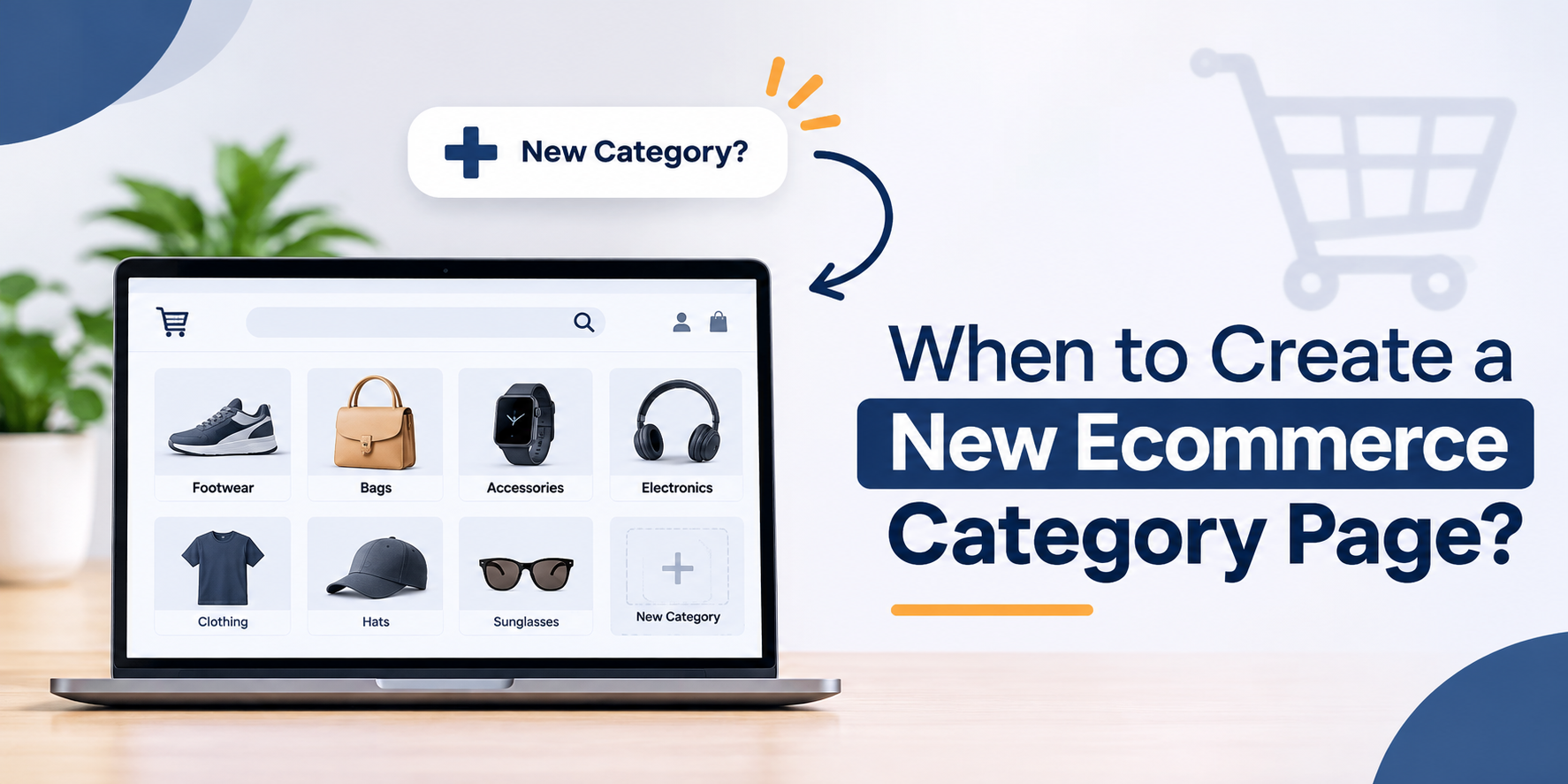
An ecommerce website needs more than attractive product images and competitive prices to deliver a good shopping experience. Its structure also plays an important role in helping customers discover products quickly. As an online store grows, its existing category pages may no longer be enough to organise all its products effectively.
This is when creating a new product category page becomes important. But how do you know when your ecommerce website actually needs one? Let’s explore the key signs.
- When Your Product Range Starts Growing
If your online store regularly adds new products, your existing categories may become overcrowded. Customers might have to scroll through dozens of unrelated products to find what they want.
For example, an electronics store that initially sells smartphones and laptops may later introduce smartwatches, wireless speakers, and home automation devices. Adding separate category pages makes it easier to organise these products.
A well-structured category system helps customers browse without feeling overwhelmed.
- When Customers Struggle to Find Products
A good ecommerce website should make product discovery simple. If visitors frequently use the search bar because they cannot locate products through your navigation menu, your category structure may need improvement.
Consider creating a new category page when:
– Products are difficult to locate.
– Existing categories contain unrelated items.
– Customers need too many clicks to reach a product.
– Navigation feels confusing on mobile devices.
Organising products into relevant categories can make the shopping journey smoother.
- When You Notice New Customer Search Trends
Customer search behaviour changes over time. People may start searching for specific product types, styles, features, or uses that your website does not currently have dedicated pages for.
For example, a fashion ecommerce store might notice growing interest in sustainable clothing, oversized shirts, or casual streetwear.
If your store has enough relevant products to support a separate category, creating a dedicated page can help visitors discover those collections.
It can also create new opportunities to target relevant search terms through SEO.
- When You Want to Improve Organic Search Visibility
Category pages can play an important role in an ecommerce SEO strategy. They help search engines understand how products are organised and which topics your store covers.
If your website has multiple products related to a specific search topic but no dedicated category page, you may be missing an opportunity to attract relevant organic traffic.
A useful category page should include:
– A clear and descriptive page title.
– A relevant meta description.
– SEO-friendly headings.
– Helpful introductory content.
– Proper internal links.
– Relevant product listings.
Avoid creating multiple pages targeting nearly identical keywords, as this can create unnecessary competition between your own pages.
- When Seasonal or Special Collections Become Important
Many ecommerce businesses introduce products based on seasonal demand, festivals, promotional events, or changing customer interests.
For example, an online store may create dedicated collections for winter clothing, summer accessories, festive gifts, or back-to-school products.
A separate category page can help customers explore these collections more easily.
However, consider whether the collection will remain useful beyond a short promotional period before creating a permanent category page.
- When Your Existing Category Pages Become Too Broad
Sometimes, one category contains several different product groups. This can make browsing difficult and reduce the relevance of the page.
For example, a beauty store may initially have one category called “Skincare.” As its inventory expands, it might make sense to introduce separate categories for:
– Face Wash and Cleansers
– Moisturisers
– Sunscreen
– Serums and Treatments
This approach creates a clearer structure and helps customers reach the products they need faster.
- When You Have Enough Products to Support a New Page
Not every new product requires a separate category page. Creating a page with only one or two products may offer little value to customers.
Before introducing a new category, check whether you have enough relevant products to make the page useful. Also consider future inventory plans and whether customers are genuinely interested in browsing that product group.
The goal should be to create meaningful categories rather than increase the number of pages unnecessarily.
How to Decide Whether a New Category Page Is Worth Creating
Before adding a new category page, evaluate these important factors:
| Factor | What to Check |
| Product Range | Are there enough related products? |
| Customer Behaviour | Are visitors looking for this product group? |
| SEO Opportunity | Is there relevant search demand? |
| Website Navigation | Will the new category improve browsing? |
| Business Goals | Does it support your product and sales strategy? |
Conclusion
Creating a new category page is an important decision for any growing ecommerce business. The right category structure makes products easier to discover, improves website navigation, and creates opportunities for better organic search visibility.
Instead of creating pages simply because new products are available, focus on customer needs, product relevance, search behaviour, and website organisation.
A well-planned ecommerce category structure can make your online store easier to explore and help turn product discovery into a better shopping experience.