

Introduction
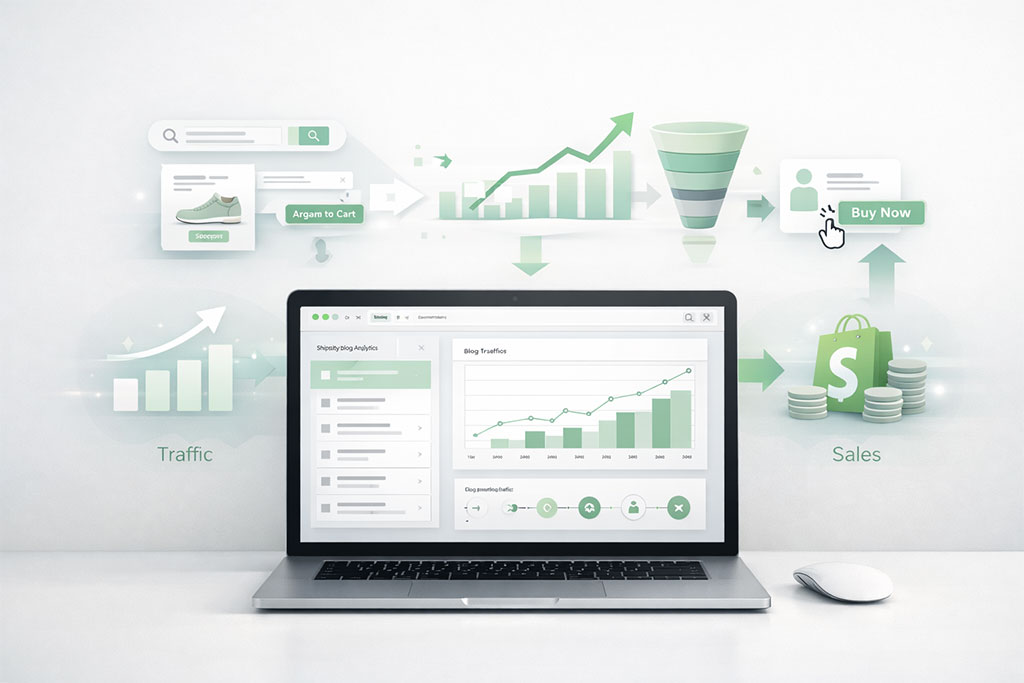
In 2026, Shopify is no longer just an ecommerce platform for selling products. It has evolved into a powerful ecosystem where content plays a major role in driving traffic, building trust, and increasing sales. Blogging on Shopify has gained more importance than ever because search engines, customers, and even AI tools now value helpful and informative content. With recent updates and better content management features, Shopify blogging has become easier, smarter, and more effective for online businesses.
Shopify’s Growing Focus on Content
One of the biggest changes in Shopify is how it treats content. Blogs are now managed more centrally inside the Shopify admin, making them easier to find, edit, and manage. This shows that Shopify understands the importance of content marketing for ecommerce brands.
Earlier, blogs felt like a secondary feature. Now, Shopify positions blogs as a key growth tool alongside products, pages, and marketing campaigns. Store owners can publish content more consistently and align it with their business goals.
Improved Blog Management Experience
Shopify’s blog editor in 2026 is smoother and more user-friendly. Writing and editing posts feels cleaner, faster, and less technical. You can easily add images, videos, links, and formatted text without needing coding skills.
Scheduling posts is more reliable, which helps store owners plan content in advance. This is especially useful for ecommerce brands that publish seasonal content, product launches, or promotional guides. The overall experience makes blogging less time-consuming and more manageable.
Stronger SEO Support for Blogs
Search engine optimization continues to be a major reason why businesses blog on Shopify. In 2026, Shopify blogging supports SEO better through cleaner URLs, faster page loading, and better theme structures.
Blog posts can now be optimized more easily for keywords, meta descriptions, and internal linking. When blogs are connected naturally with product pages, they help bring high-intent organic traffic to the store. This means visitors don’t just read the content but also explore products and make purchases.
AI and Blogging Tools Integration
Another major development is the growing use of AI-powered blogging tools within the Shopify ecosystem. While Shopify’s built-in editor remains simple, many store owners now use apps that offer AI content suggestions, SEO recommendations, and content structuring help.
These tools don’t replace creativity but make blogging faster and more strategic. For ecommerce brands, this means they can publish helpful content regularly without hiring large content teams.
Blogging as a Sales Growth Tool
In 2026, blogging is not just about traffic. It directly supports ecommerce growth. Educational blogs, buying guides, product comparisons, and how-to articles help customers make confident purchasing decisions.
Customers will trust your brand when they have faith in your content. Blogs help answer common questions, reduce doubts, and show expertise. This builds long-term relationships with customers instead of focusing only on one-time sales.
Better Storytelling for Brands
Shopify blogging allows brands to tell their story in a more personal and authentic way. Customers today want to know the values, journey, and purpose behind a brand. Blogs make it easier to share behind-the-scenes stories, brand missions, and customer success experiences.
This emotional connection helps differentiate a store from competitors, especially in crowded ecommerce markets.
Mobile-Friendly and Performance-Focused
With most users browsing on mobile devices, Shopify ensures that blog content loads fast and looks good on all screen sizes. In 2026, performance and user experience play a big role in rankings and conversions.
Well-structured blog content keeps users engaged longer, reduces bounce rates, and improves overall store performance. These signals indirectly help boost search rankings and sales.
The Future of Shopify Blogging
Looking ahead, Shopify blogging will continue to evolve with smarter automation, deeper AI integration, and more customization options. Content and commerce will become even more connected, allowing blogs to act as both educational and revenue-generating assets.
For ecommerce businesses, this means blogging is no longer optional. It is a long-term investment that supports visibility, trust, and sustainable growth.
Conclusion
Shopify blogging in 2026 is smarter, easier, and more powerful than before. With improved content management, better SEO support, AI tools, and a strong focus on user experience, blogs have become a key driver of ecommerce success.
Businesses that consistently publish helpful and relevant content on Shopify can attract organic traffic, build authority, and convert readers into loyal customers. In today’s competitive ecommerce world, blogging is not just content—it’s a growth strategy.