

Introduction
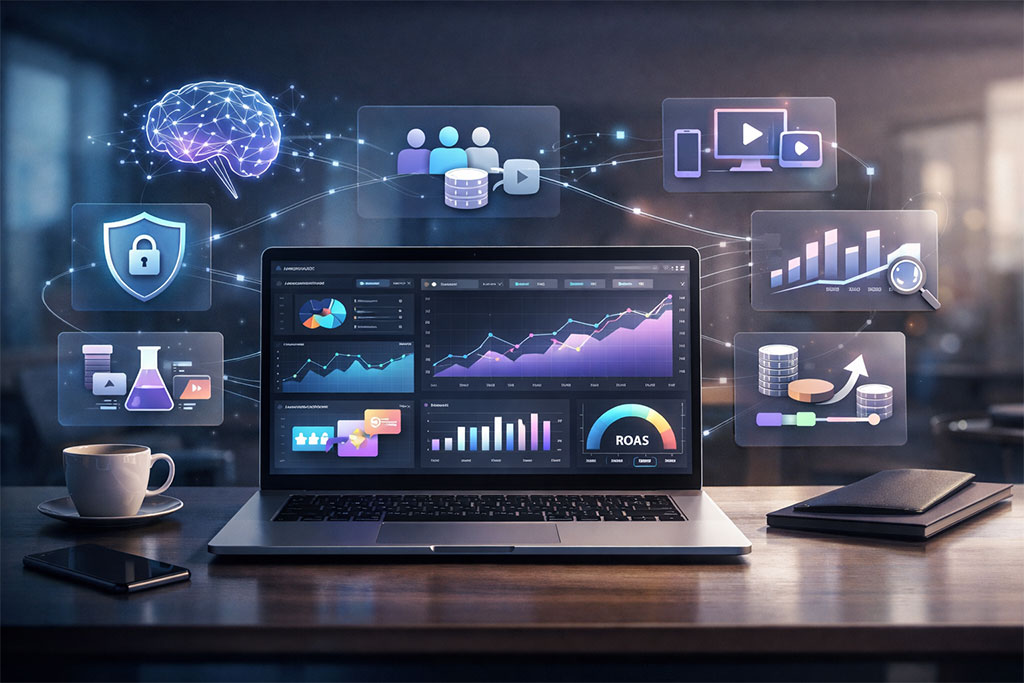
Paid media marketing is changing fast as we move into 2026. New technologies, stronger data privacy rules, and smarter platforms are reshaping how ads are created, shown, and measured. Marketers who continue to follow old methods may see declining results. To stay competitive, it is important to adapt to the new way paid advertising works. Here are eight key changes marketers should make in 2026.
Embracing Conversational AI for Ad Creation
In 2026, ads are no longer just promotional messages. People expect ads to sound natural and helpful. Conversational AI helps create ad copy that feels more like a real conversation than a sales pitch. These ads answer user questions directly and feel more personal, which builds trust and improves engagement.
Refining Ad Targeting With Data Privacy in Mind
Data privacy has become a major concern for users and platforms alike. With fewer cookies and stricter regulations, marketers must change how they target audiences. Using first-party data such as website visitors, email subscribers, and customer lists is now essential. Privacy-friendly targeting helps brands stay compliant while still reaching the right audience.
Optimizing for AI-Driven Search Ad Placements
Search advertising is now powered heavily by artificial intelligence. Platforms decide where and when ads appear based on user intent, behavior, and relevance. Marketers must focus on clear messaging, strong landing pages, and intent-based content. When ads align well with user needs, AI systems reward them with better placements.
Integrating Campaigns Across Multiple Channels
Today’s users move across many platforms before making a decision. They might see a brand on social media, search for it on Google, and then watch a video review. In 2026, successful paid media campaigns connect all these channels. A consistent message across platforms creates a smoother user experience and increases conversion chances.
Using AI Image Editing for Creative Customization
Creative content plays a big role in ad performance. AI-powered image editing tools make it easier to customize visuals for different audiences. Marketers can quickly adjust images, formats, and styles without starting from scratch. Personalized creatives feel more relevant and often perform better than generic designs.
Improving Attribution Tracking and Updating KPIs
Measuring ad success has become more complex. Relying only on last-click conversions no longer shows the full picture. In 2026, marketers need better attribution tracking to understand the complete customer journey. Key performance indicators should focus on quality leads, engagement, and long-term value instead of just clicks.
Including Influencers in the Paid Media Strategy
Influencers are becoming an important part of paid media marketing. People trust recommendations from real individuals more than traditional brand ads. Working with influencers, especially niche or micro-influencers, helps brands connect with audiences in a more authentic way. When combined with paid ads, influencer content can boost both reach and conversions.
Investing in Brand-Owned and Emerging Media Channels
Depending only on paid platforms can be risky and expensive. In 2026, brands should invest more in channels they own, such as websites, email lists, and messaging platforms. Exploring new and emerging media channels also opens fresh opportunities. Brand-owned media provides long-term stability and better control over audience relationships.
Conclusion
Paid media marketing in 2026 is smarter, more privacy-focused, and deeply influenced by AI. Marketers who adapt to these changes will see better performance and stronger brand growth. By focusing on conversation-driven ads, ethical targeting, creative personalization, and integrated strategies, businesses can stay ahead in an increasingly competitive digital landscape.