

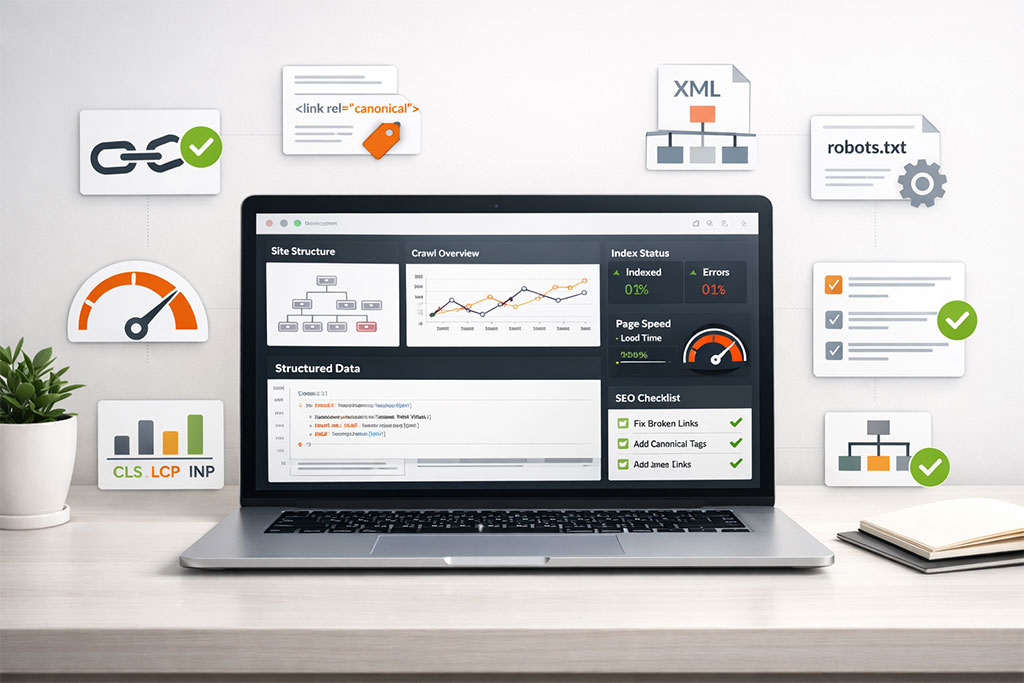
Magento, now known as Adobe Commerce, is a powerful eCommerce platform used by businesses worldwide. While it offers unmatched flexibility and customization options, managing SEO on Magento can be tricky. Many store owners face technical challenges that affect their search engine visibility and organic traffic. In this guide, we’ll explore the most common Magento SEO issues and provide practical solutions to improve your website’s performance in search results.
Understanding the Importance of SEO for Magento Stores
Before diving into specific issues, it’s important to understand why SEO matters for Magento stores. Unlike content-driven websites, eCommerce sites often have hundreds or thousands of product pages. Each page needs to be optimized to rank effectively on search engines. Technical SEO ensures that your site is easily crawlable by search engines, loads quickly, and provides a seamless user experience. Without proper SEO, even high-quality products may remain invisible to potential customers.
Duplicate Content Problems
One of the biggest challenges in Magento SEO is duplicate content. This usually happens when the same product appears under multiple URLs. For example, a product might be accessible through different categories or filters, creating several identical pages. Search engines may struggle to decide which page to index, which can dilute your ranking power.
The solution involves implementing canonical tags. Canonical tags indicate the preferred version of a page to search engines, helping to consolidate ranking signals. Additionally, configuring URL structures to avoid unnecessary parameters and using Magento’s built-in URL rewrite options can prevent duplicate content issues.
Slow Page Speed
Page speed is another common issue that can impact both SEO and user experience. Magento stores often have heavy themes, numerous plugins, and high-resolution images, all of which can slow down page loading times. Google considers page speed a ranking factor, and slow pages can lead to higher bounce rates.
Optimizing images, enabling caching, and using a content delivery network (CDN) can significantly improve load times. Magento also offers built-in tools to enable flat catalog structures and full-page caching, which reduce server load and make pages faster for visitors. Regularly testing your site’s speed using tools like Google PageSpeed Insights helps identify problem areas.
Broken Links and 404 Errors
Broken links and 404 errors can hurt your SEO performance. Magento stores often experience these issues when products are removed or categories are reorganized. Search engines interpret broken links as poor user experience, which can affect your site’s ranking.
To solve this, regularly audit your website for broken links. Magento allows you to set up URL redirects from old URLs to new ones, ensuring that users and search engines are directed to the right pages. Maintaining a proper URL structure and avoiding frequent unnecessary changes can reduce the likelihood of broken links in the future.
Poor Mobile Optimization
Mobile optimization is no longer optional. With the majority of eCommerce traffic coming from mobile devices, Magento stores that aren’t mobile-friendly risk losing potential customers and search engine rankings. Common mobile SEO issues include slow loading times, unresponsive design, and difficult navigation on smaller screens.
Using a responsive Magento theme ensures that your store automatically adapts to different screen sizes. Additionally, optimizing mobile-specific elements, such as buttons, menus, and checkout forms, improves usability and can boost mobile search rankings. Google’s mobile-first indexing also means that your mobile version largely determines your rankings, making mobile optimization essential.
Indexing and Crawlability Issues
Magento’s complex structure can sometimes make it difficult for search engines to crawl and index all pages effectively. Issues like poor internal linking, excessive use of noindex tags, and improper sitemap configurations can prevent search engines from discovering important pages.
To fix this, ensure that your XML sitemap is properly configured and submitted to Google Search Console. A clean and logical internal linking structure helps distribute link equity and makes it easier for search engines to navigate your site. Avoid using unnecessary noindex tags on pages that should be indexed, and check that your robots.txt file is not blocking important sections of your store.
Meta Tags and Structured Data
Missing or poorly optimized meta tags, such as titles and descriptions, can limit your store’s visibility and click-through rates. Magento allows you to edit meta tags for products, categories, and CMS pages, but many store owners neglect this aspect of SEO.
In addition, structured data markup can enhance your listings in search results with rich snippets, such as product ratings, prices, and availability. Implementing structured data in Magento helps search engines understand your content better and can improve your site’s appearance in search results.
Handling Pagination Correctly
Pagination is common on category and product listing pages, but incorrect handling can lead to duplicate content or crawl inefficiencies. Magento’s default settings may not always manage paginated pages in an SEO-friendly way, which can confuse search engines.
Using rel=”next” and rel=”prev” tags can signal the relationship between paginated pages. Combining this with proper canonicalization and avoiding indexation of unnecessary parameter pages helps search engines understand your content hierarchy and ensures that link equity flows correctly.
Conclusion
Magento offers immense potential for online stores, but technical SEO issues can undermine its effectiveness if not addressed. From duplicate content and slow page speed to mobile optimization and structured data, each aspect of technical SEO contributes to better visibility and user experience. By systematically addressing these issues, store owners can improve search engine rankings, attract more traffic, and ultimately increase conversions.
Investing in a solid SEO strategy for your Magento store is not just about following best practices; it’s about making your online business more accessible, efficient, and competitive in the digital marketplace. With the right approach, even the most complex Magento websites can achieve strong organic performance and sustainable growth.