

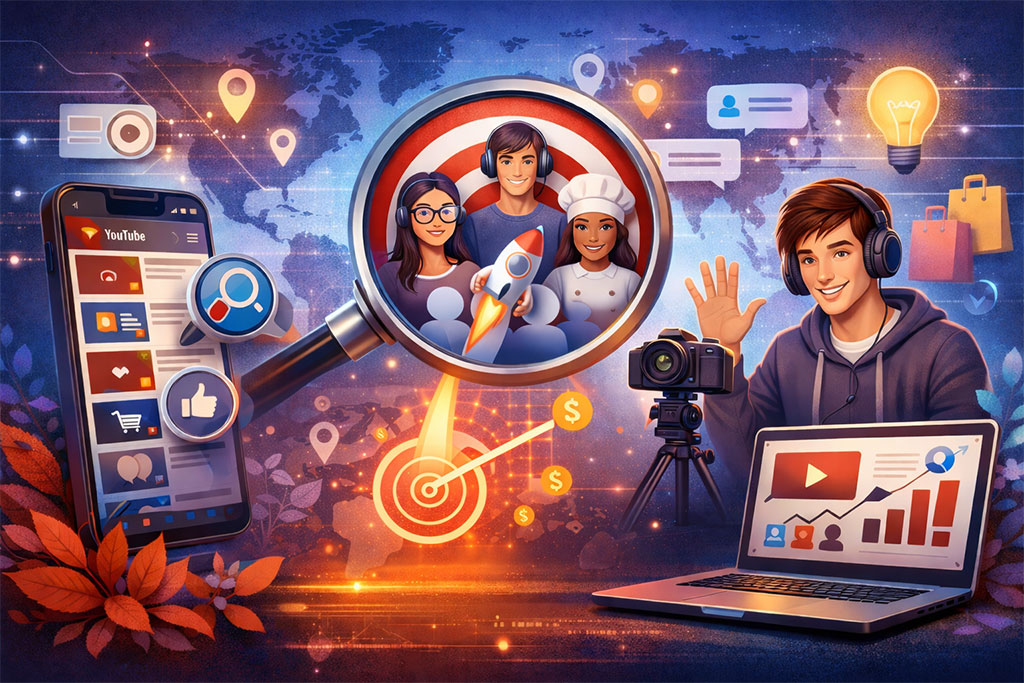
In the digital world, where content is constantly competing for attention, creators need tools that help their videos reach the right people. YouTube, being one of the largest video platforms globally, has been continuously improving its ad targeting system to help creators and advertisers connect with audiences more effectively. Smarter ad targeting is not just a benefit for brands; it’s a game-changer for content creators who want to grow their channels and maximize their earnings.
Understanding Ad Targeting on YouTube
At its core, ad targeting is the process of showing ads to viewers who are most likely to engage with them. Traditional ad placement often relied on general demographics such as age, gender, or location. While this approach had some success, it lacked the precision that modern marketers and creators need. With smarter ad targeting, YouTube leverages advanced algorithms and data insights to deliver ads to users who are genuinely interested in the content or products being promoted.
How YouTube Collects Data for Smarter Ads
YouTube collects vast amounts of data from user behavior, watch history, search queries, and even interactions on other Google platforms. By analyzing this data, YouTube can predict which ads are most relevant to which viewers. For example, if a user frequently watches fitness videos and searches for workout tips, YouTube is more likely to show them ads related to sports gear, nutrition supplements, or fitness apps. This relevance not only improves the viewer experience but also increases the chances of the ad performing well.
Benefits for Content Creators
For creators, smarter ad targeting means that the monetization potential of their channels increases. Ads shown to the right audience are more likely to be clicked or viewed completely, which directly impacts the revenue creators earn through YouTube’s Partner Program. Additionally, when viewers see ads relevant to their interests, they are less likely to skip them or feel annoyed, creating a better overall experience on the platform.
Moreover, smarter targeting allows creators to attract a loyal audience that is genuinely interested in their niche. For instance, a cooking channel will reach viewers who love recipes and kitchen tips, while a tech reviewer can engage with people actively looking for gadget reviews. This connection between content and audience helps creators build communities, increase engagement, and grow their subscriber base organically.
Impact on Advertisers
Smarter ad targeting also benefits advertisers, who can achieve higher return on investment (ROI) by reaching viewers most likely to take action. Rather than spending money on broad campaigns that may reach uninterested users, advertisers can focus on a targeted audience that is more likely to convert. This efficiency encourages brands to invest more in YouTube advertising, which in turn benefits creators through increased ad revenue opportunities.
Types of Smart Targeting on YouTube
YouTube offers several smart targeting options to enhance ad relevance. Interest-based targeting focuses on what users watch and search for, while behavioral targeting looks at past interactions and engagement patterns. Additionally, remarketing allows advertisers to reconnect with users who have previously interacted with their content or visited their website. Each of these options ensures that ads reach viewers who are most likely to respond positively.
Another advanced tool is YouTube’s use of machine learning. The platform continuously analyzes how users interact with videos and ads to improve future targeting. Over time, this creates a feedback loop where ads become increasingly personalized, making the experience seamless for viewers while maximizing potential revenue for creators and advertisers.
Challenges and Considerations
While smarter ad targeting has many benefits, creators and advertisers must remain mindful of privacy concerns. YouTube follows strict guidelines to protect user data, but understanding how targeting works and ensuring compliance with policies is essential. Creators should focus on producing high-quality, engaging content, as even the most precise targeting cannot compensate for low-quality videos that fail to hold viewers’ attention.
Additionally, creators should monitor analytics to understand which types of ads and targeting strategies perform best on their channel. This insight helps in optimizing content and collaborating effectively with advertisers, ensuring that both parties benefit from the partnership.
The Future of Smarter Ad Targeting
As technology advances, YouTube’s ad targeting is likely to become even more precise. Integration with AI and predictive analytics will allow creators to reach audiences with an unprecedented level of accuracy. This means smaller channels may have more opportunities to monetize effectively, while established creators can refine their strategies to maximize engagement and revenue.
The trend toward personalization is clear. Viewers increasingly expect content and ads to align with their interests, and YouTube is responding by providing tools that satisfy both creators and audiences. For creators, this represents an opportunity to grow, for advertisers, it means better ROI, and for viewers, it results in a more enjoyable and relevant experience.
Conclusion
YouTube’s smarter ad targeting is transforming the way content is monetized and delivered. By leveraging data, machine learning, and personalized insights, the platform ensures that ads reach the right audience while creators can maximize their revenue potential. Understanding and using these tools effectively allows creators to grow their channels, engage the right viewers, and create sustainable success in the competitive world of online video.
Smarter ad targeting is not just a feature—it’s a strategy for creators to connect meaningfully with their audience and for advertisers to achieve impactful results. For anyone invested in YouTube, understanding and embracing these capabilities is essential to staying ahead in the digital landscape.