

A New Update in Video Advertising
Google has introduced a new feature that automatically adds end screens to video advertisements. This update is designed to help advertisers improve engagement and guide viewers toward taking action after watching a video ad. Video advertising has become a powerful marketing tool, especially on platforms like YouTube. With this new update, businesses can make their video ads more effective without needing extra design work.
This change is especially useful for companies that run campaigns through Google Ads because it helps simplify the process of encouraging viewers to interact with ads.
What Are Automatic End Screens?
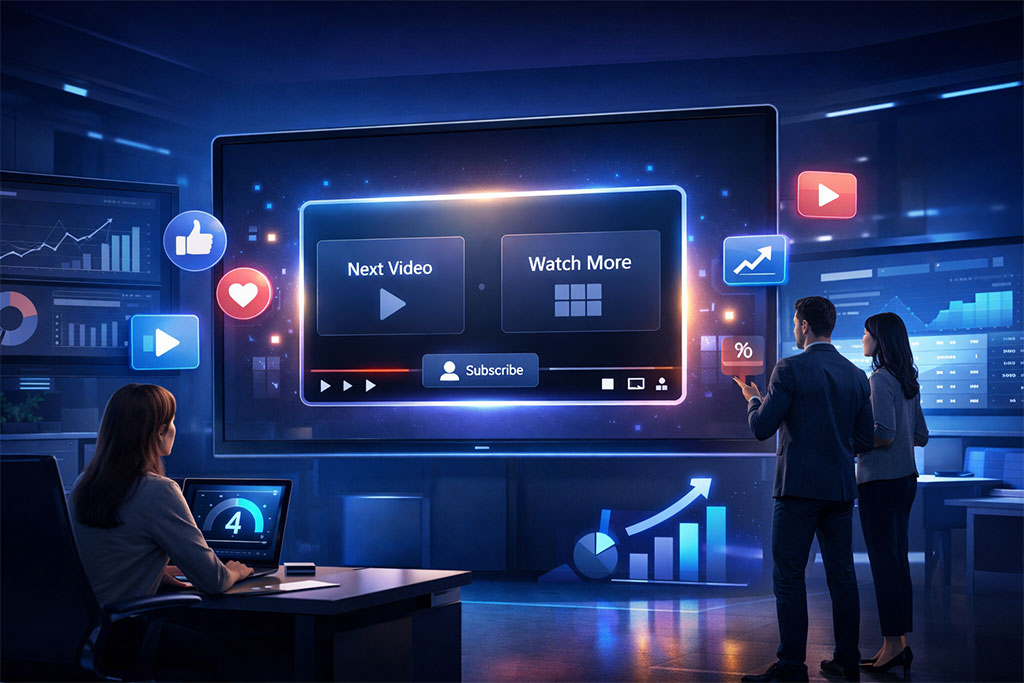
Automatic end screens are visual elements that appear at the end of a video advertisement. When a video ad finishes playing, the platform automatically shows a final screen that includes helpful information or a call-to-action.
This end screen may include things like a brand logo, a clickable button, or a message that encourages viewers to visit a website or learn more about a product. Instead of advertisers manually creating and adding these screens, the system now generates them automatically.
The goal is to make sure viewers clearly understand what they can do next after watching the ad.
Why Google Introduced This Feature
One of the biggest challenges in video advertising is turning viewers into customers. Many people watch a video ad but do not take any further action. By adding an end screen automatically, Google wants to make the next step more visible and simple for the viewer.
When the video ends, the end screen can remind viewers to explore a product, visit a website, or continue interacting with the brand. This small addition can help increase the chances of getting clicks or conversions from the advertisement.
How This Helps Advertisers
This feature can make video advertising easier and more efficient. Advertisers no longer need to spend time designing a separate end screen for every video campaign. The platform automatically creates one that fits the ad format.
For marketers who run multiple campaigns, this update can save time and improve consistency across different ads. It also ensures that every video advertisement ends with a clear message that encourages action.
Another advantage is that automated elements often use platform data to decide the best way to present information. This can help improve performance over time as the system learns what works best for viewers.
The Impact on Video Ad Performance
Automatic end screens may also improve the overall effectiveness of video ads. When viewers reach the end of a video, they are already engaged with the content. Showing a clear action at that moment increases the chance that they will click or explore more.
This means businesses might see improvements in engagement metrics such as clicks, website visits, or conversions. While the feature is simple, it helps connect the end of the video with the next step in the customer journey.
For companies that rely on video advertising for brand awareness or product promotion, this update can provide an extra opportunity to capture attention.
What Advertisers Should Keep in Mind
Even though the end screens are automatic, the quality of the video ad still matters. Advertisers should focus on creating engaging video content that keeps viewers watching until the end. If people watch the entire ad, the automatic end screen has a better chance of influencing their decision.
Businesses should also make sure their landing pages and websites are ready to handle the traffic that comes from video ads.
Conclusion
The introduction of automatic end screens shows how Google continues to improve the video advertising experience. By adding a clear call-to-action at the end of video ads, advertisers have a better chance of guiding viewers toward the next step.