Blog

Industry Leader in Offering Web and Digital Marketing Solutions.

Category Archives: Digital Marketing

Amazon Returns to Google Shopping Ads

Amazon Returns to Google Shopping Ads

The online shopping world just got more interesting. Amazon has started showing its products once again through Google Shopping ads. But there is a catch—this comeback is happening outside the United States. While shoppers in other countries may soon notice Amazon listings appearing on Google, American users will not see the same change.

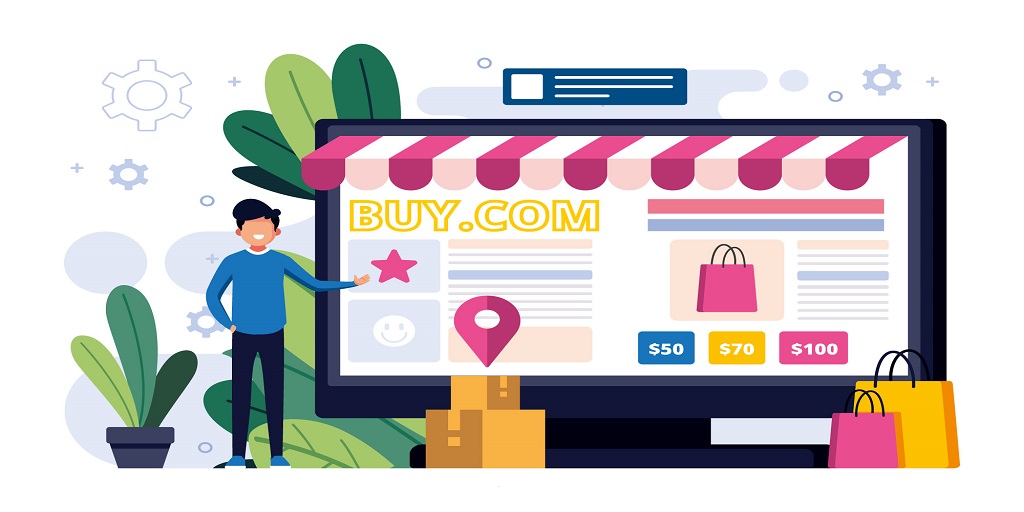
The little product boxes that show up when you conduct an online search are known as Google Shopping advertising.They usually show a picture, price, and store link. For many people, these ads are the first stop before making a purchase, because they make it easy to compare products from different sellers. Businesses often rely on them because they appear right at the moment when buyers are ready to shop.

Amazon had once used Google Shopping in the past but later decided to pull back. The company preferred to direct traffic straight to its own platform, which already acts as a giant search engine for products. Over time, Amazon also built a massive advertising business of its own. But now, by returning to Google Shopping, Amazon is signaling that it cannot completely ignore the visibility that Google offers.

So why avoid the U.S.? The decision looks very deliberate. In its home market, Amazon already has huge control over online sales. Spending heavily on Google ads there may not give it much extra benefit. At the same time, U.S. regulators have been watching both Amazon and Google closely over concerns of market power. Staying away from the U.S. in this campaign might be a way to avoid raising new questions. Another likely reason is testing. By running Google Shopping ads in other regions first, Amazon can measure results before considering an expansion into the United States.

For shoppers outside America, this move could be a win. Imagine searching for a product on Google and instantly seeing Amazon’s offers alongside other retailers. It means more variety, faster price checks, and potentially better deals. For customers, that is added convenience without extra effort.

For businesses, however, the picture is more mixed. Small and mid-sized online stores may benefit from more people using Google Shopping, since traffic could increase for everyone. But competing directly with Amazon in ad space is never easy. Amazon has larger budgets, wider reach, and stronger brand recognition than most sellers. This may put pressure on smaller retailers who rely on Google Shopping to stand out.

Looking at the bigger story, this step underlines the importance of Google’s role in e-commerce. Even Amazon, which often positions itself as Google’s competitor, sees value in being present on Google Shopping. At the same time, it shows how strategies can differ across regions. Instead of a one-size-fits-all approach, Amazon is picking its markets carefully.

For now, U.S. users will not see Amazon through Google Shopping. But that does not mean the door is closed forever. If the experiment outside America proves successful, Amazon may later expand these ads to its biggest market. Until then, this decision is a reminder that online retail is shaped not only by competition but also by careful planning, costs, and government rules.

The takeaway is simple. Outside of the United States, Amazon has returned to Google Shopping. reflects the constant push and pull between the two giants. For shoppers, it means more choice. For businesses, it signals tougher competition. And for the global e-commerce industry, it is yet another sign that the battle for visibility is far from over.

seo conversion

seo conversion

In digital marketing, reaching the right audience at the right stage of their journey is what drives results. This is why Tofu, Mofu, and Bofu keywords are so important. These keywords correspond to the stages of the sales funnel and play a vital role in moving potential customers from awareness to conversion. For any SEO Company India, understanding and using these keyword types effectively can mean the difference between random visitors and qualified leads.

What are Tofu Keywords

Tofu stands for Top of the Funnel. Tofu keywords are broad, informational, and usually address people at the awareness stage. When someone searches for a phrase like “what is SEO,” they are not ready to buy; they simply want to learn. Content built around Tofu keywords attracts a larger audience, improves visibility, and positions a brand as a source of knowledge. While these keywords may not directly generate conversions, they are essential because they bring people into the funnel and increase the chances of future engagement.

The Role of Mofu Keywords

Mofu represents the Middle of the Funnel. At this stage, users are aware of their problem and are looking for possible solutions. Mofu keywords are more specific and often used in comparisons or research. Someone searching for “best SEO strategies for startups” or “top SEO Company India” is in the Mofu stage. These keywords help businesses nurture leads, build trust, and provide detailed information that makes users consider them as a reliable option. From an SEO perspective, optimizing for Mofu keywords means attracting visitors who are more serious and closer to taking a decision.

Why Bofu Keywords Drive Conversions

Bofu stands for Bottom of the Funnel and represents the final decision-making stage. Bofu keywords are transactional in nature. People searching for “hire SEO Company India” or “SEO services pricing” are ready to take action. These keywords are highly valuable because they focus on users who are about to make a purchase or choose a service. Although Bofu keywords may bring less traffic compared to Tofu or Mofu, the leads generated at this stage are of the highest quality and have the greatest potential to convert.

The Importance of Tofu, Mofu, and Bofu for SEO

The strength of SEO lies not only in bringing traffic but in attracting the right kind of traffic at the right time. By using Tofu, Mofu, and Bofu keywords strategically, businesses can cover the entire buyer journey. Tofu keywords expand awareness, Mofu keywords establish trust, and Bofu keywords generate sales. A successful SEO strategy balances all three stages to ensure that no opportunity is missed. An experienced SEO Company India understands how to map content with these keywords so that every visitor, regardless of their stage in the funnel, has a path to follow toward conversion.

Conclusion

Tofu, Mofu, and Bofu keywords are more than just marketing terms; they are the foundation of a conversion-driven SEO approach. Tofu keywords bring visibility, Mofu keywords build engagement, and Bofu keywords deliver conversions. Businesses that align their SEO strategies with these stages are able to guide prospects smoothly through the funnel and achieve better results. Partnering with a professional SEO Company India ensures that your keyword strategy is optimized to bring not just traffic, but real growth and higher conversions.

WooCommerce stores

WooCommerce stores

WooCommerce has long been the go-to choice for businesses that want to build and scale an online store with WordPress. As of 2025, the platform continues to dominate the eCommerce space, powering millions of stores worldwide. However, what makes WooCommerce even more exciting today is how it adapts to the rapidly changing needs of digital businesses, new technologies, and evolving customer expectations.

AI-Powered Shopping Experiences

Artificial intelligence is no longer a buzzword—it’s a reality shaping eCommerce. WooCommerce stores in 2025 are increasingly adopting AI tools to improve customer experiences. From personalized product recommendations to AI-driven chatbots that handle customer queries 24/7, WooCommerce has become a platform where machine learning is not just an add-on but an essential feature. Merchants can integrate AI-powered plugins to predict buyer behavior, suggest upsells, and even automate email campaigns.

Seamless Integration with Headless Commerce

Headless commerce has been a rising trend for the last few years, and WooCommerce has embraced it fully. By decoupling the frontend from the backend, businesses can create lightning-fast shopping experiences across devices—from websites to mobile apps to smart devices. With REST API and GraphQL support, WooCommerce is enabling developers to build modern, app-like shopping journeys that are flexible and future-ready.

Subscription and Membership Growth

Consumer buying behavior has shifted toward subscriptions and memberships, and WooCommerce has kept pace. Whether it’s subscription boxes, digital products, or premium memberships, WooCommerce provides tools to set up recurring payments and manage customers with ease. The rise of subscription-based models in 2025 highlights WooCommerce’s adaptability to changing business strategies.

Global Expansion with Multi-Currency and Localized Payments

eCommerce is no longer limited by borders, and WooCommerce is making international selling easier than ever. With multi-currency support, local tax automation, and seamless integration with global payment gateways, merchants can expand into new markets without complex setups. This global-first approach ensures that even small businesses can scale to an international audience.

Sustainability and Eco-Friendly Commerce

In 2025, sustainability has become a selling point. Customers care about eco-friendly practices, and WooCommerce has responded with plugins that help brands display carbon footprint data, offer eco-shipping options, and promote green packaging. Businesses can now highlight their environmental impact directly on product pages, making transparency a trust-building factor.

WooCommerce and Mobile Commerce

Mobile commerce continues to dominate, and WooCommerce has optimized for it. With responsive themes, fast-loading pages, and mobile-first checkout experiences, businesses can provide smooth shopping journeys across smartphones and tablets. Features like one-click checkout, Apple Pay, and Google Pay integration ensure fewer cart abandonments and higher conversions.

Security and Compliance

As online threats evolve, security has become a top priority. WooCommerce in 2025 emphasizes PCI compliance, secure payments, and automated updates to protect customer data. With stronger fraud detection tools and GDPR-ready plugins, businesses can maintain compliance without compromising on customer experience.

The Future: WooCommerce and Web3

One of the most exciting developments for WooCommerce is its early integration with Web3 technologies. Plugins are emerging that allow businesses to accept cryptocurrency payments, issue NFTs as loyalty rewards, and explore blockchain-based inventory management. While still in its infancy, Web3 integration shows WooCommerce’s commitment to staying ahead of innovation.

Conclusion

WooCommerce in 2025 is not just an eCommerce platform—it’s an evolving ecosystem that embraces AI, headless commerce, global payments, and sustainability while preparing for the future with Web3. For businesses, this means endless opportunities to innovate, scale, and connect with customers in meaningful ways.

If you’re planning to start an online store or upgrade your existing one, WooCommerce remains one of the smartest choices, combining flexibility, scalability, and future readiness in one powerful package.

Website on Wix

Website on Wix

The Rise of No-Code Website Building

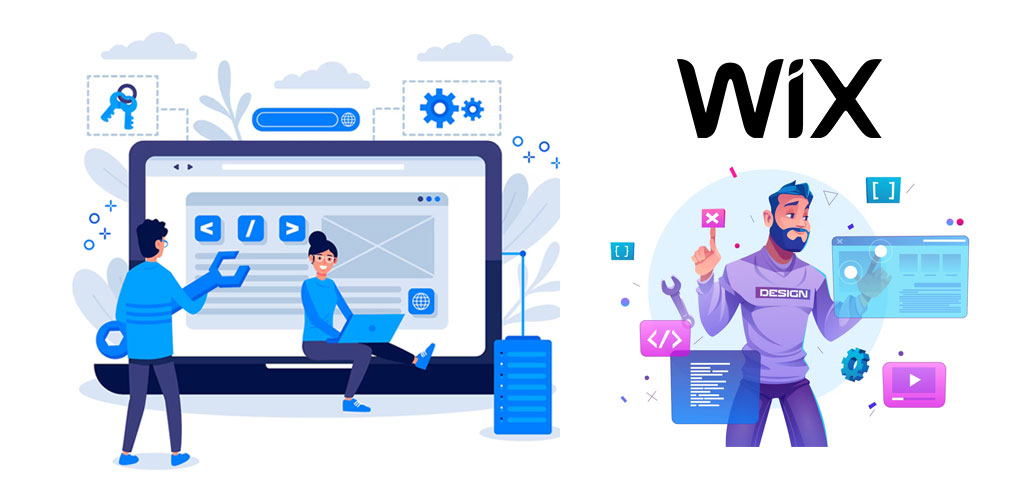
In the past, creating a professional website meant hiring developers, investing a large budget, and waiting weeks to see results. Today, platforms like Wix have changed the game. Wix offers a no-code solution, which means anyone—from business owners to bloggers—can build a beautiful, functional website without writing a single line of code. This shift has made website creation accessible and affordable for all.

A Design Experience That Feels Effortless

Wix’s design freedom is one of its main benefits. With the use of a drag-and-drop editor and hundreds of templates, you may alter your website to better represent your company. Whether you’re designing a sleek business site, a creative portfolio, or an online store, Wix provides endless options for layouts, fonts, and visuals. The best part is that every design is mobile-friendly, ensuring your website looks great on any device.

Power Beyond Design: Features That Matter

While Wix is known for its user-friendly design, it also comes packed with powerful features. From SEO tools that help your site rank on Google to integrated booking systems, payment gateways, and eCommerce solutions, Wix supports businesses of all sizes. For those running online stores, Wix makes it easy to manage products, track orders, and process payments securely.

Creative Freedom with Wix ADI and Editor

You may create your website in two different ways with Wix. With Wix ADI (Artificial Design Intelligence), you can answer a few questions and instantly get a personalized website designed for you. For those who prefer control, the classic Wix Editor allows you to manually customize every section. This flexibility ensures that both beginners and advanced users can create exactly what they envision.

Growing Your Online Presence with Wix

A website is more than just a digital brochure—it’s a growth tool. Wix provides built-in marketing solutions like email campaigns, social media integrations, and analytics to track performance. This means you can not only launch your site but also grow your audience and convert visitors into loyal customers.

Why Wix is a Smart Choice for Businesses and Creators

Wix stands out because it blends simplicity with sophistication. Small business owners can quickly create a professional online presence, while creators can showcase their portfolios in a visually stunning way. The platform removes technical barriers, making it possible for anyone to bring their ideas online.

Final Thoughts

In today’s digital world, having a website has become essential . Wix makes it possible for anyone to create a professional, customizable, and fully functional site without needing coding expertise. If you’ve been waiting for the right time to launch your website, now is the moment, and Wix is the tool to get you there.

Google Ads Drops Manual Language Targeting

Google Ads Drops Manual Language Targeting

Google Ads is rolling out a major update that will reshape how advertisers run Search campaigns. The platform has decided to end manual language targeting, a feature that allowed marketers to select specific languages for their ads. Rather, regardless of the language a user speaks, Google will use its machine learning capabilities to automatically identify and match advertising to the appropriate users.

This change reflects Google’s push toward automation, giving advertisers less manual control but promising better reach and efficiency. For businesses that depend on highly targeted campaigns, it’s important to understand what this shift means and how to adapt.

Why Google Is Making the Change

Manual language targeting often created restrictions that limited ad performance. Many users browse in multiple languages or switch between them depending on their device settings. With automation, Google Ads can analyze user intent more precisely and deliver ads to the right audience without advertisers having to manage multiple language settings.

By removing manual options, Google aims to simplify campaign setup while ensuring ads are shown to the most relevant audience. This also reduces the chances of missing out on potential customers who might not have been covered by manual language choices.

What It Means for Advertisers

For advertisers, this update is both an opportunity and a challenge. On one hand, it streamlines campaign management by letting Google handle language preferences. On the other, it reduces granular control that many advertisers relied on.

If you’re used to targeting specific language groups in your Search campaigns, you’ll now have to trust Google’s AI to make those decisions. This means keeping a closer eye on performance data, search terms, and conversion reports to ensure the system is delivering results that align with your goals.

How to Stay Ahead

Businesses need to adapt quickly to automation if they want to stay competitive. Regular campaign audits, refining ad copy, and ensuring landing pages are optimized for multilingual audiences will be more important than ever. Partnering with a professional team can also make the transition smoother.

Working with a PPC management company India can help businesses stay ahead of these changes. Experts understand how to optimize campaigns in line with Google’s evolving algorithms while ensuring maximum ROI. They can also monitor performance closely, making necessary adjustments when automation doesn’t fully align with business goals.

The Bigger Picture

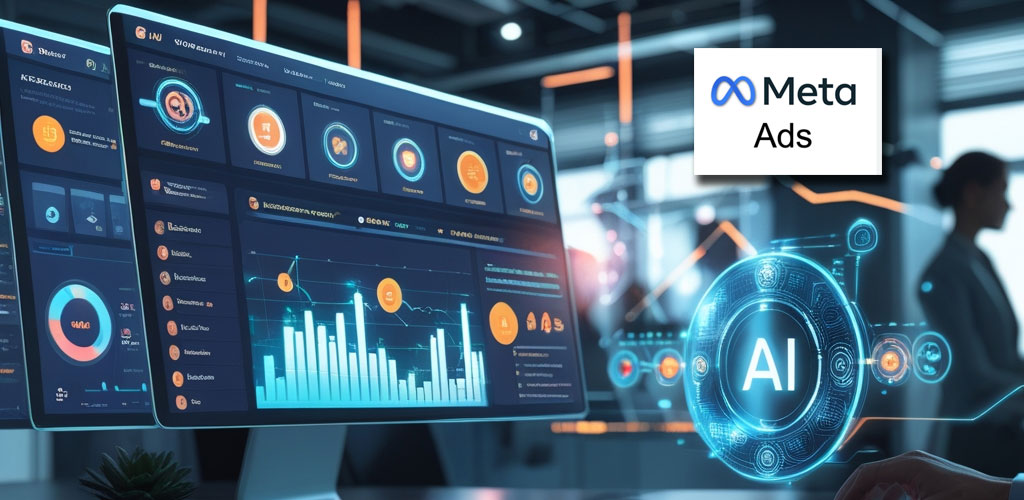
This update is not an isolated move—it’s part of a broader shift where Google Ads is moving away from manual settings toward automated systems. Features like smart bidding, responsive ads, and Performance Max campaigns all point to a future where AI drives most of the decision-making.

Advertisers who embrace these changes and focus on strategy, creativity, and data analysis will have an edge. Those who resist may struggle to keep up as automation becomes the new standard.

Final Thoughts

The end of manual language targeting in Google Ads Search campaigns highlights the growing influence of automation in digital marketing. While it reduces some level of control, it also opens doors to broader reach and smarter ad delivery. For businesses, the key is to adapt quickly, focus on high-quality ad experiences, and consider expert support from a trusted PPC management company India to maximize returns.