Ecommerce PPC: Key Lessons That Shape Campaign Performance

Category Archives: Ppc

Ecommerce PPC

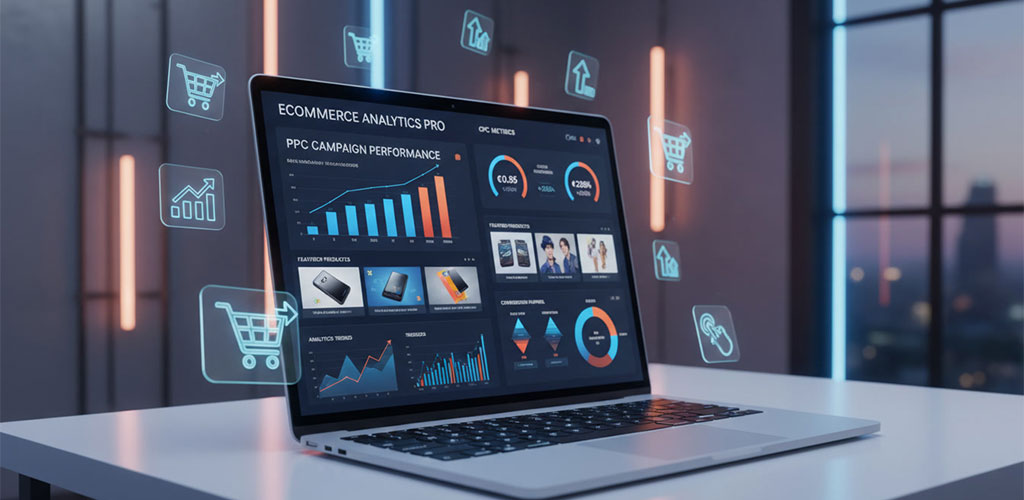
Pay-per-click advertising plays a major role in helping ecommerce businesses grow online. When done correctly, PPC can increase website traffic, generate more sales, and improve brand visibility. However, many brands struggle because they don’t fully understand how PPC campaigns really work. Here are four important takeaways that clearly explain what impacts ecommerce  PPC performance today.

Understanding Customer Intent Matters the Most

Every successful ecommerce PPC campaign begins with understanding what the customer wants. People search with different intentions. Some are ready to buy, while others are simply gathering information. When your ads match their intent, your campaign performs better. If someone searches for discounted shoes, they expect to see clear product offers. If your ad shows generic information instead of relevant product details, they may not click. Aligning your keywords and ad copy with real customer intent helps you attract high-quality traffic that is more likely to convert.

A Strong Landing Page Improves Results

Even the best PPC ad will fail if the landing page is weak. Your landing page must load quickly, show the product clearly, and guide the user toward action. A clean design, simple layout, and clear call-to-action help users make decisions faster. If your landing page is confusing or slow, customers leave, and your ad money gets wasted. Optimizing landing pages is one of the biggest factors that decide whether your PPC budget brings profit or not.

Better Targeting Leads to Better ROI

Your advertising’ performance is greatly impacted by targeting.  Ecommerce brands need to define their ideal audience based on interest, behavior, and buying patterns. When your ads reach the right people, your cost per click becomes efficient and your conversions increase. Poor targeting means your ads are shown to people who are not interested in your products, which leads to unnecessary spending. Smart targeting helps in lowering costs and increasing the return on investment.

Continuous Optimization Keeps Campaigns Growing

PPC is not a one-time setup. Ecommerce campaigns perform best when you monitor them regularly and keep optimizing. This includes analyzing keyword performance, adjusting bids, testing new ad creatives, and refining landing pages. When you make small improvements consistently, your campaign becomes stronger over time. Without optimization, even a good campaign can start performing poorly.

Conclusion

Ecommerce PPC works best when brands understand customer intent, create strong landing pages, target the right audience, and consistently optimize their campaigns. These four takeaways form the foundation of successful ecommerce advertising. When you apply these lessons, your PPC campaigns can deliver better results, higher conversions, and steady business growth.

Native Reels Ads

Introduction

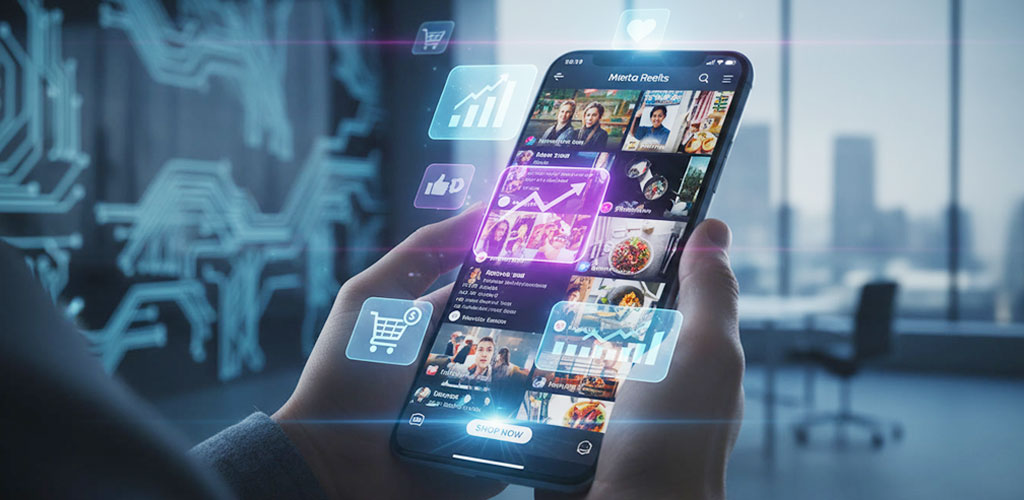
Meta is focusing heavily on short-form video, and one of the biggest game-changers is Native Reels Ads. These are ads that blend naturally into the Reels feed, making them feel like regular content instead of promotions. Because they appear in a format users already love watching, these ads perform much better than traditional placements. According to Meta’s recent update, Native Reels Ads can increase purchase intent by up to 5.3 times. This makes them a powerful tool for brands that want to drive quick attention and strong conversions.

Why Reels Ads Work So Well

Reels have become one of the most engaging parts of Instagram and Facebook. Users spend a lot of time scrolling through short, entertaining videos, and this makes the format ideal for ads. When a brand uses Native Reels Ads, the content looks natural and engaging instead of interrupting the viewer’s experience. This smooth flow keeps users watching longer and helps them understand the product or offer more clearly.

The Power of a 5.3x Lift in Purchase Intent

A 5.3x increase means people are more than five times more likely to consider buying after watching a Native Reels Ad. This is a huge deal for businesses that depend on social media performance. Purchase intent is one of the strongest indicators of future sales. If a viewer shows interest, there is a higher chance they will visit the website, check product details, and eventually make a purchase. Meta’s data shows that the Reels environment pushes people closer to buying decisions much faster than static posts or traditional video ads.

How Brands Benefit from Native Reels Ads

Brands get a chance to show their products in motion, capture attention quickly, and create genuine emotional connections. A Reel can demonstrate how a product works, how it looks in real life, or what problem it solves within just a few seconds. This helps viewers understand the product better without feeling pressured. Because Reels are discoverable and shareable, a single ad can reach new audiences who haven’t heard of the brand before.

Why This Update Matters for Marketers

Marketers are always searching for ad formats that deliver real results without unnecessary spending. Native Reels Ads offer high engagement at a relatively low cost. The improved performance means better ROI, stronger reach, and more conversions for the same budget. As consumer behavior continues shifting toward short videos, brands that adapt early will have a competitive advantage.

Conclusion

Meta’s presentation of a 5.3x increase in purchase intent through Native Reels Ads highlights a major opportunity for businesses. It shows that when ads feel natural, engaging, and relevant, people respond positively and are more willing to consider buying. For any brand looking to get better results from Meta platforms, Native Reels Ads are becoming one of the most effective tools available today.

AI-Powered & Digital Growth

Digital marketing in 2025 is entering a new era where artificial intelligence is becoming the core engine behind most online strategies. The days of manual optimization and guesswork are slowly fading. Today, businesses depend on AI tools to understand audience behavior, make decisions faster, and improve overall campaign performance. This shift is not about replacing human expertise but enhancing it with smarter, data-driven automation.

AI in Digital Advertising Is Reducing Costs and Improving Targeting

The biggest transformation in advertising is happening in platforms like Google Ads and Meta Ads. Automated systems such as Performance Max and Advantage+ now handle most of the complex work. They analyze millions of signals like device usage, user intent, and purchase probability to deliver ads to the most relevant audience. This automation results in better conversions at lower costs because AI continuously learns and adapts. Even small businesses benefit, as AI removes guesswork from targeting and bidding, making ads more efficient and predictable.

SEO Is Now About Experience, Not Just Keywords

Search engines have evolved quickly, especially with Google introducing AI-driven search experiences. SEO is no longer dependent only on keywords or backlinks. Instead, it focuses on providing meaningful and helpful content that answers user queries clearly. Google rewards websites that deliver genuine value through strong content, smooth navigation, and good page experience. AI tools assist marketers by analyzing search intent, auditing websites, and identifying opportunities for improvement. As search becomes more conversational, brands need deeper, richer content that matches real user needs.

AI Content Creation Is Faster and More Personalized

Content creation has become more dynamic with AI’s involvement. What used to take hours can now be generated in minutes without losing creativity. Marketers use AI tools to produce blogs, social posts, email sequences, and ad copy more efficiently. These tools study trends, tone of voice, and user expectations to generate content that feels personalized. While AI provides speed and structure, human creativity is still essential to maintain authenticity and emotional impact. Together, they create powerful storytelling that connects better with the audience.

Predictive Analytics Helps Brands Understand Customers Before They Act

One of the most powerful changes in digital marketing is predictive analytics. Instead of relying solely on past performance, marketers can now forecast future customer behavior. AI systems analyze browsing patterns, purchase history, and engagement levels to predict what people will do next. This allows businesses to reach potential customers at the right moment with the right message. Predictive data improves the performance of emails, ads, remarketing campaigns, and customer nurturing, making the entire marketing journey more intelligent.

Chatbots and Automation Deliver Faster Customer Experiences

Customer support has also become more advanced with AI chatbots and automated workflows. Modern chatbots do more than answering simple questions. They help with lead qualification, product suggestions, appointment scheduling, and issue resolution. This ensures customers get instant support at any time without waiting for human agents. Automation also helps businesses manage follow-ups, reminders, and nurturing sequences without manual effort. The result is improved customer satisfaction and higher engagement, especially for service-based businesses.

Social Media AI Helps Brands Stay Ahead of Trends

Social media platforms are integrating AI features that assist in predicting trends, generating creative ideas, and even designing visual content. Brands can now identify what type of content will perform best before posting it. AI tools create captions, images, and video concepts that match current social behavior and audience mood. This gives businesses a consistent presence online while reducing the time spent on brainstorming new ideas. With AI’s support, social media marketing becomes more strategic and less experimental.

AI Will Not Replace Marketers, But It Will Replace Old Methods

The rise of AI has created a major shift in how digital marketing works. However, AI is not replacing marketers. It is replacing outdated methods that rely on guesswork and manual effort. The future belongs to businesses and agencies that combine AI-powered tools with human creativity and strategic thinking. Digital marketing is becoming more efficient, more predictable, and more customer-focused. Automation is not the end of marketing; it is the beginning of a more intelligent era.

Google Merchant Center and Google Ads

Google is one of the biggest platforms for businesses that want to sell products online, reach more customers, and increase sales. When it comes to promoting products, two tools play the most important role: Google Merchant Center and Google Ads. Many beginners feel confused about how these two work together, but the truth is simple—they support each other to run product-based campaigns smoothly. Even the Best PPC Management Company in India depends on both platforms to deliver strong results for eCommerce clients.

What Is Google Merchant Center?

Google Merchant Center, also known as GMC, is a platform where you upload all your product information. It works like a storage space inside Google for your products. Whenever you want to show your product in Google Shopping ads, product listing ads, or Performance Max campaigns, you must first upload accurate product details into Merchant Center.

This includes your product title, image, price, description, and availability. Google uses this data to decide when and where to show your products to potential customers. If your product information is clear and optimized, your ads perform better and attract the right audience.

Why Google Merchant Center Matters

Merchant Center is extremely important because Google will not show your products unless all details meet its guidelines. If your product gets disapproved, your ads will stop instantly. If the information is outdated, your visibility decreases. So, Merchant Center becomes the foundation of your Shopping and Performance Max campaigns.

It also helps build trust. When Google verifies that your product data and website follow quality standards, customers automatically feel more confident purchasing from your online store.

What Is Google Ads?

Google Ads is the platform where you create and control your campaigns. While Merchant Center stores your product data, Google Ads uses that data to display your products to the right users. You manage budget, targeting, bidding strategies, ad placements, and understand performance inside Google Ads.

Although Google Ads can be used for many ad formats like search, display, and video, it becomes even more powerful for product-based campaigns when connected to Merchant Center. This is why even professionals from the Best PPC Management Company in India always link both platforms for their clients.

How Google Ads and Google Merchant Center Interact

When you connect Merchant Center and Google Ads, both platforms start working like a team. Merchant Center provides your product feed, and Google Ads uses that feed to show your products in front of relevant buyers.

You don’t need to manually create product ads. Google automatically picks your product title, price, and image from the Merchant Center feed and shows it to people who are searching for similar items. This automation saves time and increases accuracy, especially for businesses with many products.

The Role in Performance Max Campaigns

Performance Max campaigns have become one of the most effective ad types for online stores. They use Google’s AI to show your products across Search, Display, YouTube, Maps, and Discover. But the success of these campaigns depends heavily on your Merchant Center product feed.

When your product titles are clear, images are high quality, and pricing is consistent with your website, Performance Max can deliver excellent conversions and strong ROI. A weak feed leads to weak performance, no matter how good your ad strategy is.

The Benefits of Using Both Together

Using both Google Merchant Center and Google Ads gives your online store a big advantage. Your ads reach people who are already searching for products similar to yours. Customers get to see product details before clicking, which increases the chances of qualified traffic and higher sales.

This also helps you reduce wasted ad spend. When your product feed is accurate and updated, Google shows your ads to the right audience at the right time. You get better visibility, better targeting, and better performance with the same budget.

Final Thoughts

Google Merchant Center and Google Ads are powerful tools that work best when used together. If you run an online store or plan to promote products, understanding both platforms is important. Merchant Center keeps your product data organized, and Google Ads brings those products in front of the right customers.

When both are properly optimized, your campaigns become stronger, more efficient, and more profitable. Even leading agencies like the Best PPC Management Company in India rely on this combination to deliver maximum performance for eCommerce brands.

Best PPC Management Company in India

Google Ads has rolled out a new update that adds an account-level political content setting. This change is important for advertisers, especially those running campaigns across multiple regions or handling sensitive categories. Understanding this update is crucial for agencies and brands that want to stay compliant while maintaining smooth ad performance. As the advertising landscape keeps evolving, companies like the Best PPC Management Company in India must stay updated to help businesses run transparent and well-structured campaigns.

Why Google Added This New Setting

Political advertising has always been closely regulated on digital platforms. Over the years, Google has introduced restrictions, verification requirements, and transparency reports to ensure responsible advertising. With political content rising worldwide, Google needed a better system to handle such ads in a controlled manner. The account-level political content setting allows Google to automatically detect whether an account is trying to run political ads and apply relevant rules accordingly. This gives advertisers more clarity and helps Google maintain global advertising standards.

What This New Setting Actually Means

The new setting allows advertisers to specify whether their ad content includes political messaging. Instead of setting political content at the campaign or ad level, Google now lets you manage it at the account level. This means the platform will treat your entire account under political rules if you mark it as containing political content. If you select that your account does not run political ads, Google may restrict or flag ads that appear political based on its automated systems. This helps reduce mistakes and ensures that political ads are only run by verified, authorized advertisers.

How This Update Helps Advertisers

This update simplifies compliance for advertisers. If an agency handles political campaigns, it no longer needs to mark every ad manually. The account-level option saves time and ensures consistency. For non-political advertisers, this update helps avoid accidental disapprovals. Sometimes ads get flagged due to content related to governance, public policies, or election-related keywords even when the intention is not political. With the new setting, advertisers can clarify their intent in advance. Agencies like the Best PPC Management Company in India can use this update to manage political and non-political clients separately and reduce unnecessary disruptions in campaigns.

Why This Update Matters for Agencies and Brands

Political ads require verification, ID checks, and region-specific approvals. Many advertisers unknowingly create ads related to causes, social issues, or public discussions that fall under political categories. The new setting eliminates confusion and prevents unwanted delays. Brands can focus solely on their campaigns without worrying about political restrictions unless they intentionally choose that category. At the same time, advertisers who genuinely need to run political ads can activate the setting and prepare for Google’s verification process. This clarity is extremely valuable for agencies managing multiple accounts.

Impact on Ad Approvals and Delivery

Google Ads uses automated systems to review content and assign categories. With the new update, the approval process becomes more predictable. If you declare your account as political, Google’s system will review your ads with stricter guidelines but allow them to run once verified. If you declare your account as non-political, Google may block ads that seem political, preventing any accidental violation. This structure protects advertisers from compliance issues and ensures that ad delivery stays consistent. Agencies offering PPC services can use this update to create safer, more reliable advertising environments for their clients.

How Businesses Should Respond to This Change

Businesses should review their ad messaging and decide whether it contains any political content, directly or indirectly. Educational ads, public awareness messages, or issue-based content may fall into these categories even if the intention is not political. It is better to analyze the ad theme before activating or deactivating the political content setting. Companies working with the Best PPC Management Company in India can get guidance on whether their campaigns fall under political rules. Proper classification ensures that ads don’t get rejected or paused due to sudden policy checks.

The Future of Advertising Transparency

This update is part of Google’s effort to make advertising more transparent. With growing concerns around misinformation and election influence, the platform wants to ensure that political ads follow strict rules. The account-level setting makes political advertising more structured and less confusing for advertisers. It also supports a healthier digital ecosystem where policies are clearer and easier to follow. As more platforms adopt similar standards, advertisers will benefit from clean, compliant, and more predictable ad environments.