ChatGPT to Begin Testing Ads in the United States: What It Means for Users and Businesses

Category Archives: Ppc

ChatGPT to Begin Testing Ads

Introduction: A New Phase for ChatGPT

ChatGPT has changed the way people search for information, solve problems, and get quick answers online. Until now, the platform has remained mostly free from advertisements, which made it feel different from search engines and social media platforms. However, this is about to change. ChatGPT is preparing to begin testing ads in the United States, marking a new step in its growth. This move is expected to impact both users and businesses in important ways.

Why ChatGPT Is Introducing Ads

Running an advanced AI platform requires massive resources, including computing power, data infrastructure, and continuous development. Ads provide a way to support these costs while keeping access available to a large number of users. By testing ads first in the United States, ChatGPT can analyze user behavior, measure feedback, and improve the experience before expanding to other regions. The goal is not to flood users with ads but to introduce them in a controlled and meaningful way.

How Ads May Appear on ChatGPT

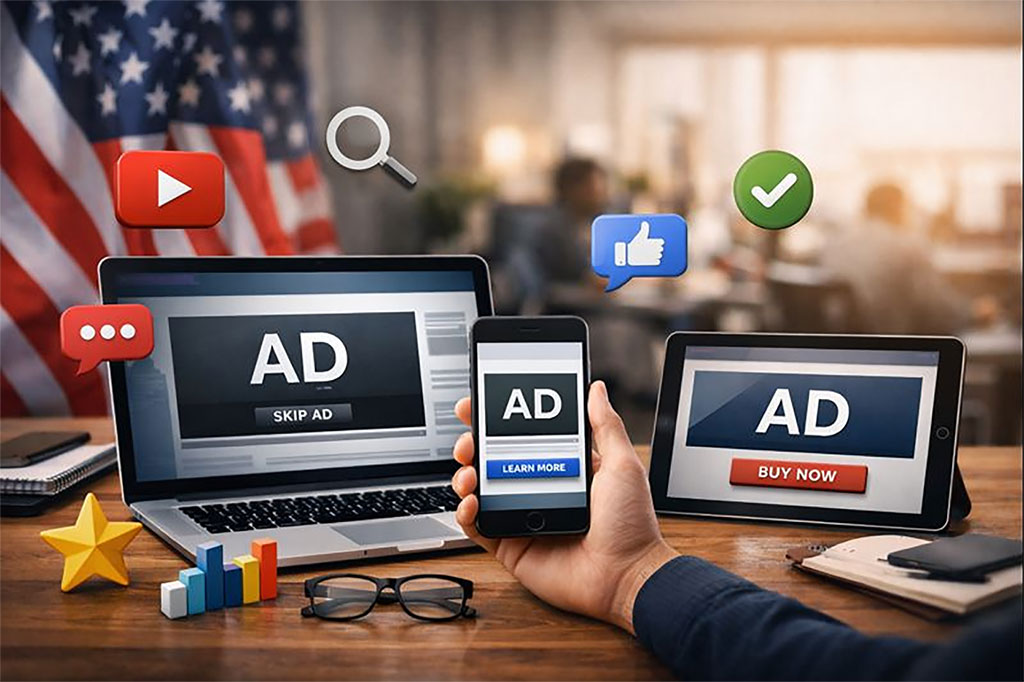
ChatGPT ads are expected to be subtle and context-aware rather than disruptive. Instead of pop-ups or banners, ads may appear as sponsored suggestions or clearly labeled recommendations related to the user’s query. For example, if a user asks about marketing tools or software solutions, relevant sponsored content could appear alongside the response. This approach helps keep the experience smooth while still offering value to advertisers.

What This Means for Users

For users, the biggest concern is whether ads will affect trust and usability. ChatGPT aims to maintain transparency by clearly marking sponsored content so users can easily distinguish between organic responses and ads. If done correctly, ads may actually improve the experience by introducing helpful products, services, or tools that align with user needs. The key factor will be balance, ensuring ads do not overpower genuine AI-generated answers.

Opportunities for Businesses and Marketers

For businesses, this development opens a new digital marketing channel. ChatGPT attracts users who are actively searching for solutions, advice, and information, which makes intent-based advertising very powerful. Brands that offer relevant services, such as software, education, eCommerce tools, or digital marketing solutions, may benefit from reaching users at the exact moment they are looking for answers. This could lead to higher engagement compared to traditional display ads.

Impact on Digital Advertising Landscape

The introduction of ads on ChatGPT could reshape how businesses think about online advertising. Unlike social media platforms where ads interrupt browsing, ChatGPT ads can fit naturally into problem-solving conversations. This creates a more personalized and intent-driven advertising environment. Over time, advertisers may shift budgets toward AI-powered platforms if performance and conversion rates prove strong.

Concerns Around Privacy and Data Use

Whenever ads are introduced, privacy becomes an important topic. Users will want to know how their data is used to show relevant ads. ChatGPT will need to follow strict data protection standards and ensure that personal information is handled responsibly. Transparency and user control will play a big role in building long-term trust during this testing phase.

Why the United States Is the Testing Ground

The United States is one of the largest digital advertising markets in the world, making it an ideal place for testing. User behavior, advertiser demand, and regulatory frameworks are well established, allowing ChatGPT to gather valuable insights. Feedback from U.S. users will likely shape how ads are refined before expanding to other countries.

What to Expect in the Future

This testing phase is only the beginning. Based on user feedback and performance data, ChatGPT may adjust ad formats, targeting methods, and placement strategies. If successful, ads could become a regular feature while still preserving the platform’s core value of helpful, unbiased responses. Future updates may also include options for ad-free experiences through subscriptions or premium plans.

Conclusion: A Careful Step Forward

ChatGPT testing ads in the United States represents a major shift, but it is being approached carefully. For users, it means adapting to a slightly different experience while still enjoying high-quality answers. For businesses, it offers a new way to connect with audiences at moments of real intent. If executed thoughtfully, this change could create a win-win situation where the platform grows sustainably without losing user trust.

Smarter Ad Targeting

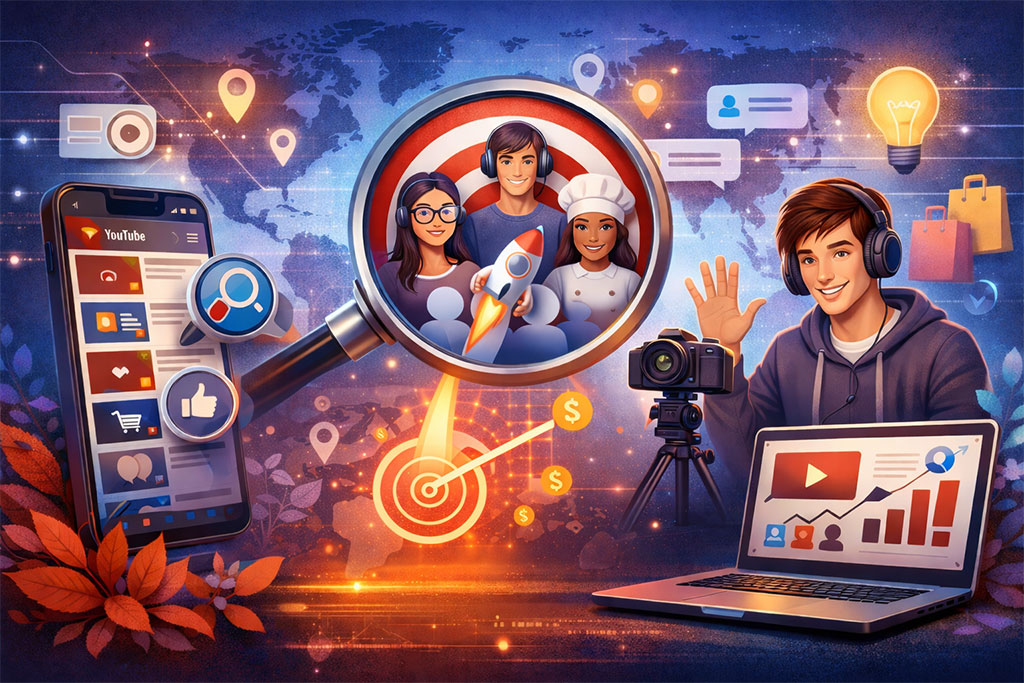
In the digital world, where content is constantly competing for attention, creators need tools that help their videos reach the right people. YouTube, being one of the largest video platforms globally, has been continuously improving its ad targeting system to help creators and advertisers connect with audiences more effectively. Smarter ad targeting is not just a benefit for brands; it’s a game-changer for content creators who want to grow their channels and maximize their earnings.

Understanding Ad Targeting on YouTube

At its core, ad targeting is the process of showing ads to viewers who are most likely to engage with them. Traditional ad placement often relied on general demographics such as age, gender, or location. While this approach had some success, it lacked the precision that modern marketers and creators need. With smarter ad targeting, YouTube leverages advanced algorithms and data insights to deliver ads to users who are genuinely interested in the content or products being promoted.

How YouTube Collects Data for Smarter Ads

YouTube collects vast amounts of data from user behavior, watch history, search queries, and even interactions on other Google platforms. By analyzing this data, YouTube can predict which ads are most relevant to which viewers. For example, if a user frequently watches fitness videos and searches for workout tips, YouTube is more likely to show them ads related to sports gear, nutrition supplements, or fitness apps. This relevance not only improves the viewer experience but also increases the chances of the ad performing well.

Benefits for Content Creators

For creators, smarter ad targeting means that the monetization potential of their channels increases. Ads shown to the right audience are more likely to be clicked or viewed completely, which directly impacts the revenue creators earn through YouTube’s Partner Program. Additionally, when viewers see ads relevant to their interests, they are less likely to skip them or feel annoyed, creating a better overall experience on the platform.

Moreover, smarter targeting allows creators to attract a loyal audience that is genuinely interested in their niche. For instance, a cooking channel will reach viewers who love recipes and kitchen tips, while a tech reviewer can engage with people actively looking for gadget reviews. This connection between content and audience helps creators build communities, increase engagement, and grow their subscriber base organically.

Impact on Advertisers

Smarter ad targeting also benefits advertisers, who can achieve higher return on investment (ROI) by reaching viewers most likely to take action. Rather than spending money on broad campaigns that may reach uninterested users, advertisers can focus on a targeted audience that is more likely to convert. This efficiency encourages brands to invest more in YouTube advertising, which in turn benefits creators through increased ad revenue opportunities.

Types of Smart Targeting on YouTube

YouTube offers several smart targeting options to enhance ad relevance. Interest-based targeting focuses on what users watch and search for, while behavioral targeting looks at past interactions and engagement patterns. Additionally, remarketing allows advertisers to reconnect with users who have previously interacted with their content or visited their website. Each of these options ensures that ads reach viewers who are most likely to respond positively.

Another advanced tool is YouTube’s use of machine learning. The platform continuously analyzes how users interact with videos and ads to improve future targeting. Over time, this creates a feedback loop where ads become increasingly personalized, making the experience seamless for viewers while maximizing potential revenue for creators and advertisers.

Challenges and Considerations

While smarter ad targeting has many benefits, creators and advertisers must remain mindful of privacy concerns. YouTube follows strict guidelines to protect user data, but understanding how targeting works and ensuring compliance with policies is essential. Creators should focus on producing high-quality, engaging content, as even the most precise targeting cannot compensate for low-quality videos that fail to hold viewers’ attention.

Additionally, creators should monitor analytics to understand which types of ads and targeting strategies perform best on their channel. This insight helps in optimizing content and collaborating effectively with advertisers, ensuring that both parties benefit from the partnership.

The Future of Smarter Ad Targeting

As technology advances, YouTube’s ad targeting is likely to become even more precise. Integration with AI and predictive analytics will allow creators to reach audiences with an unprecedented level of accuracy. This means smaller channels may have more opportunities to monetize effectively, while established creators can refine their strategies to maximize engagement and revenue.

The trend toward personalization is clear. Viewers increasingly expect content and ads to align with their interests, and YouTube is responding by providing tools that satisfy both creators and audiences. For creators, this represents an opportunity to grow, for advertisers, it means better ROI, and for viewers, it results in a more enjoyable and relevant experience.

Conclusion

YouTube’s smarter ad targeting is transforming the way content is monetized and delivered. By leveraging data, machine learning, and personalized insights, the platform ensures that ads reach the right audience while creators can maximize their revenue potential. Understanding and using these tools effectively allows creators to grow their channels, engage the right viewers, and create sustainable success in the competitive world of online video.

Smarter ad targeting is not just a feature—it’s a strategy for creators to connect meaningfully with their audience and for advertisers to achieve impactful results. For anyone invested in YouTube, understanding and embracing these capabilities is essential to staying ahead in the digital landscape.

View Change History

Introduction

Google Ads keeps improving its interface to make campaign management faster and easier for advertisers. One of the latest updates is the addition of a shortcut button for Change History. This small update may look simple, but it saves time and helps advertisers track account changes more efficiently. For marketers who manage multiple campaigns or clients, this feature can make daily work smoother and more transparent.

What Is Change History in Google Ads

Change History in Google Ads shows a complete record of edits made in an account. It includes changes to budgets, bids, keywords, ads, settings, and more. This feature is especially useful when multiple people have access to the same account or when performance suddenly changes and you want to understand why. Earlier, users had to navigate through menus to access Change History, which took extra time.

What’s New in the Shortcut Button

Google Ads has now added a shortcut button that gives quicker access to Change History. Instead of searching through tools or settings, advertisers can directly jump to the change log with fewer clicks. This shortcut is designed to improve workflow and reduce the time spent finding important account updates. The button is placed in a more visible area, making Change History easier to discover and use.

Why This Update Is Helpful for Advertisers

This shortcut is helpful because speed matters in campaign optimization. When performance drops or improves suddenly, advertisers often need to check what changes were made recently. With the new shortcut, they can instantly review edits without interrupting their workflow. This is especially useful for agencies and professionals who manage accounts for clients and need quick answers.

Better Transparency and Accountability

The shortcut also improves transparency within teams. When multiple users are working on the same Google Ads account, it becomes easier to see who made which change and when. This helps avoid confusion, reduces mistakes, and improves accountability. For agencies, it also helps explain performance changes clearly to clients with accurate data.

How It Helps in Daily Campaign Optimization

Daily optimization involves testing ads, adjusting bids, updating keywords, and refining targeting. With quick access to Change History, advertisers can easily review what was changed earlier and decide the next steps more confidently. It also helps in identifying accidental changes that may affect performance, allowing faster corrections.

Impact on Beginners and Experts

For beginners, this update makes Google Ads easier to understand and manage. They can quickly learn how changes affect performance by reviewing past edits. For experienced advertisers, it saves time and improves efficiency, especially when managing large or complex accounts. This update supports both learning and advanced optimization.

Final Thoughts

The new Change History shortcut button in Google Ads is a small but powerful improvement. It enhances usability, saves time, and supports better decision-making. By making account changes more visible and accessible, Google Ads continues to focus on user-friendly updates that benefit advertisers at every level. For anyone running or managing Google Ads campaigns, this shortcut is a welcome and practical addition.

Google Ads Scripts

Introduction

Managing a Google Ads account can become overwhelming as campaigns grow. Daily monitoring, bid checks, budget control, and performance tracking take a lot of time and attention. Google Ads scripts are useful in this situation. Scripts help advertisers automate routine tasks, reduce errors, and improve overall account performance without constant manual work. In today’s competitive advertising world, running scripts is no longer optional but necessary.

What Are Google Ads Scripts

Google Ads scripts are small pieces of code that run inside your Google Ads account. They work automatically based on the rules and conditions you set. Scripts can pause ads, adjust bids, check performance, or send alerts when something goes wrong. You do not need to be a developer to benefit from scripts because many ready-made scripts are available and easy to use.

Saving Time on Daily Account Tasks

One of the biggest reasons every Google Ads account needs scripts is time saving. Tasks like checking broken links, monitoring budgets, or reviewing keyword performance can take hours if done manually. Scripts perform these tasks automatically and run on a fixed schedule. This gives advertisers more time to focus on strategy, testing, and growth instead of repetitive work.

Better Control Over Budget and Spend

Budget management is critical in Google Ads. A small mistake can lead to wasted spend. Scripts help by monitoring daily budgets and campaign costs in real time. If a campaign is overspending or underperforming, scripts can pause it or notify the account manager instantly. This level of control helps prevent unnecessary losses and keeps spending aligned with goals.

Faster Detection of Account Issues

Many problems in Google Ads go unnoticed until performance drops. Disapproved ads, broken landing pages, or sudden drops in impressions can hurt results. Scripts act like a safety system for your account. They detect issues early and alert you before they cause serious damage. This proactive approach helps maintain account health and consistent performance.

Improving Performance Through Automation

Scripts are not only for monitoring but also for optimization. They can adjust bids based on performance data, pause low-performing keywords, or highlight winning ads. Automation ensures changes happen quickly and consistently, which is difficult to achieve manually. This leads to better campaign efficiency and stronger results over time.

Ideal for Growing and Large Accounts

As Google Ads accounts scale, manual management becomes harder. Large accounts with multiple campaigns and keywords benefit the most from scripts. They bring structure, consistency, and reliability to account management. Even small accounts can gain an advantage by using scripts early and building smart automation from the start.

Conclusion

Google Ads scripts simplify account management, protect budgets, and improve performance through automation. They reduce manual effort while increasing accuracy and speed. In a fast-moving advertising environment, scripts help advertisers stay ahead and manage accounts more effectively. Every Google Ads account, big or small, should use scripts to work smarter and achieve better results.

Top Landing Page Builders

In 2026, landing pages are no longer just simple web pages. They have become powerful tools for lead generation, sales, and brand growth. Whether you are running Google Ads, Meta Ads, or organic campaigns, a high-converting landing page can make a big difference. The good news is that you no longer need coding skills to build professional landing pages. Modern landing page builders are faster, smarter, and more conversion-focused than ever before. This blog explores seven of the best landing page builders you can rely on in 2026, explained in a simple and practical way.

Why Landing Page Builders Matter More in 2026

User behavior has changed rapidly over the years. Visitors now expect fast loading pages, mobile-friendly designs, clear messaging, and smooth experiences. Search engines and ad platforms also favor pages that offer good user experience. Landing page builders help businesses meet these expectations without technical complexity. They allow marketers, agencies, and business owners to create pages that convert visitors into leads or customers with minimal effort.

Unbounce – Built for High Conversions

Unbounce continues to be one of the strongest landing page builders in 2026, especially for performance marketers. It focuses heavily on conversion optimization and A/B testing. The platform allows you to create landing pages that are optimized for paid ads and lead generation. Its AI features help suggest improvements based on visitor behavior, making it a smart choice for businesses that want data-driven results without manual testing.

Leadpages – Simple and Reliable for Growing Businesses

Leadpages is popular because of its simplicity and affordability. In 2026, it remains a great option for small businesses and service providers who want fast results. The platform offers clean templates, easy drag-and-drop editing, and strong integration with email marketing tools. It is especially useful for businesses focused on lead collection, webinars, and basic sales funnels without advanced technical needs.

Webflow – For Designers Who Want Full Control

Webflow stands out as a powerful landing page builder for those who care deeply about design and performance. It allows users to create visually stunning pages while maintaining clean code and fast loading speed. In 2026, Webflow is widely used by agencies and brands that want complete creative freedom. While it has a learning curve, the results are professional and scalable, making it ideal for long-term growth.

Instapage – Perfect for Paid Advertising Campaigns

Instapage is designed specifically for advertisers who run large-scale paid campaigns. It offers advanced personalization, heatmaps, and collaboration features. In 2026, Instapage remains a top choice for agencies managing Google Ads and Meta Ads for multiple clients. Its ability to match landing page content with ad intent helps improve quality scores and conversion rates.

ClickFunnels – More Than Just Landing Pages

ClickFunnels is not just a landing page builder but a complete funnel-building platform. It is widely used by coaches, course creators, and online sellers. In 2026, ClickFunnels continues to evolve with better automation, checkout optimization, and email integration. It is best suited for businesses that want to guide users through a complete sales journey instead of a single landing page.

Carrd – Lightweight and Budget-Friendly

Carrd is a simple yet powerful landing page builder that has gained popularity for its speed and minimal design approach. In 2026, it is commonly used for personal brands, startups, and one-page campaigns. Carrd is easy to use, loads extremely fast, and works well on mobile devices. While it may not have advanced features, it is perfect for quick launches and budget-friendly projects.

WordPress with Page Builders – Flexible and SEO-Friendly

WordPress combined with modern page builders continues to be a strong landing page solution in 2026. It offers flexibility, full ownership, and excellent SEO control. Businesses that want long-term scalability often choose WordPress because it supports custom design, plugins, and integrations. It is especially useful for companies that want landing pages along with blogs, service pages, and content marketing under one platform.

How to Choose the Right Landing Page Builder in 2026

The best landing page builder depends on your business goals, budget, and marketing strategy. If you focus on paid ads and conversions, platforms like Unbounce or Instapage work well. If design and branding matter most, Webflow is a strong option. For beginners or small businesses, Leadpages and Carrd offer simplicity. If you want full control and SEO benefits, WordPress remains a reliable choice.

Final Thoughts

Landing page builders in 2026 are smarter, faster, and more user-friendly than ever before. They empower marketers and businesses to create high-quality pages without relying on developers. Choosing the right tool can improve your campaign performance, reduce costs, and help you convert more visitors into customers. No matter your business size, investing in the right landing page builder is a smart step toward digital success.