Why Customers Leave a Website in Under 5 Seconds

Category Archives: Web Development

You invest time and resources in attracting users to your website. Maybe they arrive through Google, social media, or paid ads. But what happens when those visitors leave almost immediately?

Many companies deal with this issue without being aware of it. Research shows that people form an opinion about a website within seconds. If they don’t find what they’re looking for quickly, they simply leave and visit another site.

Let’s explore some of the biggest reasons why customers leave a website in under five seconds.

The Website Loads Too Slowly

Speed is one of the first things visitors notice. People anticipate nearly instantaneous page loading. If a page takes too long to appear, many users won’t wait.

Slow loading times can be caused by large images, poor hosting, or unnecessary website features. Due of the abundance of different online options available to visitors, every second counts.

The Design Looks Outdated

First impressions are powerful. When visitors land on a website that looks old or unprofessional, they may question the credibility of the business.

A clean, modern design helps build trust. Customers want to feel confident that they are dealing with a professional company. An outdated website can create doubts before they even read a single word.

Visitors Can’t Understand What the Business Does

One of the most common mistakes is failing to clearly explain what the business offers.

When someone lands on your homepage, they should immediately understand who you are, what you do, and how you can help them. If visitors have to search for basic information, they may leave before finding it.

Clear messaging is often more important than fancy design elements.

Too Many Pop-Ups

Pop-ups can be useful, but too many can frustrate visitors.

Imagine visiting a website and instantly being asked to subscribe, accept notifications, and fill out a form before you’ve even seen the content. A lot of users will just exit the page.

Visitors should have a chance to explore the website before being interrupted.

Poor Mobile Experience

Smartphones now account for a significant portion of internet traffic. If a website is difficult to use on mobile devices, visitors may leave immediately.

Small text, broken layouts, slow loading pages, and difficult navigation create a poor experience. A website should work smoothly on all screen sizes.

Confusing Navigation

Visitors should be able to find information quickly. People get irritated when menus are cluttered or crucial pages are obscured.

Simple navigation helps users move through the website with ease. When customers know exactly where to click, they are more likely to stay and explore.

Too Much Information at Once

Some websites try to tell visitors everything immediately. Large blocks of text, multiple offers, and too many visual elements can feel overwhelming.

People scan websites before they read them. A clean layout with clear headings and focused messaging makes information easier to understand.

Lack of Trust Signals

Visitors often look for signs that a business is trustworthy. Reviews, testimonials, client logos, security badges, and contact information can help build confidence.

When these trust signals are missing, visitors may hesitate to continue browsing or making a purchase.

Conclusion

Customers don’t leave websites in under five seconds because they are impatient. They depart because they are unable to find clarity, value, or trust in a timely manner.

A fast-loading website, clear message, modern design, and user-friendly experience can make a huge difference. Businesses that focus on the visitor’s experience often see longer engagement, lower bounce rates, and better conversion results.

The first few seconds matter more than most companies realize. Make those seconds count, and visitors will be far more likely to stay, explore, and become customers.

The Launch Everyone Was Excited About

When Raj launched his new business website, he was proud of it. The colors looked professional, the images were high quality, and the design felt modern. Friends and colleagues praised it. Some even said it looked better than websites from much larger companies.

For the first few weeks, Raj checked the site every day. He expected phone calls, inquiry forms, and new customers to start coming in.

But nothing happened.

Weeks turned into months. The website looked impressive, yet the number of leads remained almost the same as before.

Looking Good Isn’t the Same as Working Well

Many business owners make the same mistake. They treat a website like a digital showroom. As long as it looks attractive, they believe it will automatically bring customers.

In reality, visitors do not come to admire a website. They come because they have a question, a problem, or a need. If the website does not help them quickly, they leave.

A website can win design awards and still fail to generate business.

Visitors Were Arriving and Leaving

When Raj reviewed his website data, he noticed something surprising. People were visiting the site, but they were not staying long. Most visitors viewed only one page before leaving.

The problem was not the design.

The problem was that visitors could not immediately understand how the company could help them. The homepage focused on visuals instead of clear information. Important details were hidden behind multiple clicks.

People were leaving before they found the answers they needed.

The Missing Piece Was Trust

The website talked a lot about the company, but very little about customers. There were no client stories, no reviews, and no examples of completed work.

Imagine walking into a store where everything looks expensive and modern, but nobody explains what the products do. Most people would walk out.

Websites work the same way. Visitors need reasons to trust a business before they contact it.

Beauty Doesn’t Create Action

Another issue became clear. The website never encouraged visitors to take the next step.

There was no strong invitation to request a quote, schedule a consultation, or contact the company. Visitors could browse the pages, but they were never guided toward becoming customers.

A website should not simply display information. It should encourage action.

Small Changes Created Big Results

Raj decided to make a few adjustments. He simplified the homepage message. He added customer testimonials. He made contact information easier to find. Most importantly, he focused every page on solving customer problems rather than showing off the design.

The website still looked professional, but now it had a purpose.

Within a few months, inquiries started increasing. More visitors became leads, and more leads became customers.

The design had not been the real problem. The strategy had been missing.

Final Thoughts

A beautiful website can attract attention, but attention alone does not grow a business. Successful websites communicate clearly, build trust, and guide visitors toward taking action.

If your website looks amazing but is not generating leads, the issue may not be the design. It may be that the website is focused on appearance instead of results.

The best business websites are not remembered because they are beautiful. They are remembered because they help visitors become customers.

Magento

Magento, now known as Adobe Commerce, is a powerful eCommerce platform used by businesses worldwide. While it offers unmatched flexibility and customization options, managing SEO on Magento can be tricky. Many store owners face technical challenges that affect their search engine visibility and organic traffic. In this guide, we’ll explore the most common Magento SEO issues and provide practical solutions to improve your website’s performance in search results.

Understanding the Importance of SEO for Magento Stores

Before diving into specific issues, it’s important to understand why SEO matters for Magento stores. Unlike content-driven websites, eCommerce sites often have hundreds or thousands of product pages. Each page needs to be optimized to rank effectively on search engines. Technical SEO ensures that your site is easily crawlable by search engines, loads quickly, and provides a seamless user experience. Without proper SEO, even high-quality products may remain invisible to potential customers.

Duplicate Content Problems

One of the biggest challenges in Magento SEO is duplicate content. This usually happens when the same product appears under multiple URLs. For example, a product might be accessible through different categories or filters, creating several identical pages. Search engines may struggle to decide which page to index, which can dilute your ranking power.

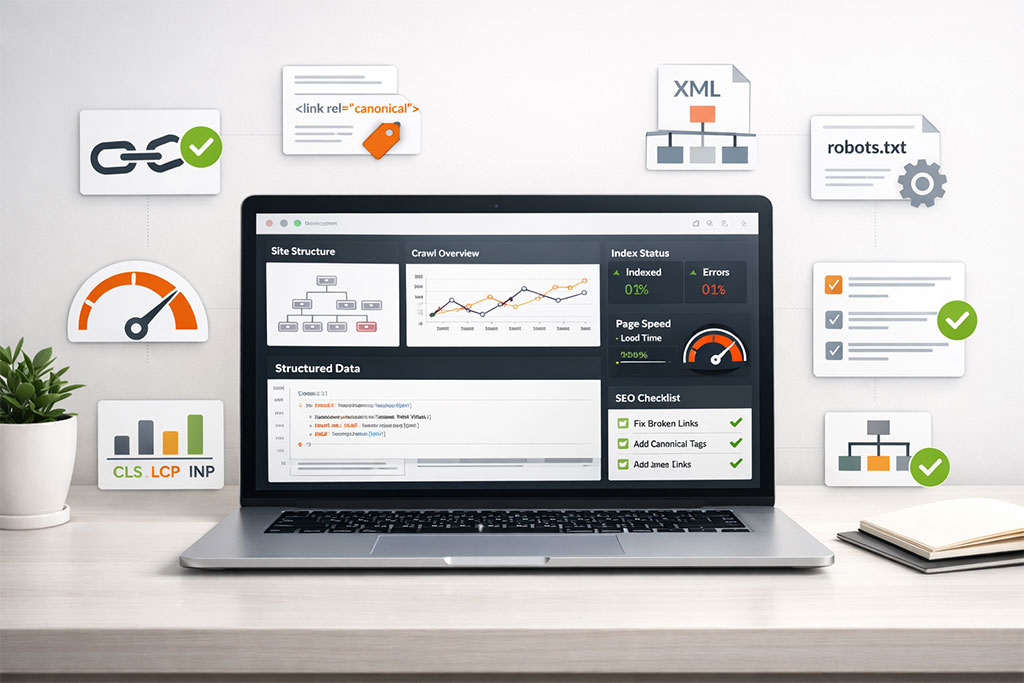
The solution involves implementing canonical tags. Canonical tags indicate the preferred version of a page to search engines, helping to consolidate ranking signals. Additionally, configuring URL structures to avoid unnecessary parameters and using Magento’s built-in URL rewrite options can prevent duplicate content issues.

Slow Page Speed

Page speed is another common issue that can impact both SEO and user experience. Magento stores often have heavy themes, numerous plugins, and high-resolution images, all of which can slow down page loading times. Google considers page speed a ranking factor, and slow pages can lead to higher bounce rates.

Optimizing images, enabling caching, and using a content delivery network (CDN) can significantly improve load times. Magento also offers built-in tools to enable flat catalog structures and full-page caching, which reduce server load and make pages faster for visitors. Regularly testing your site’s speed using tools like Google PageSpeed Insights helps identify problem areas.

Broken Links and 404 Errors

Broken links and 404 errors can hurt your SEO performance. Magento stores often experience these issues when products are removed or categories are reorganized. Search engines interpret broken links as poor user experience, which can affect your site’s ranking.

To solve this, regularly audit your website for broken links. Magento allows you to set up URL redirects from old URLs to new ones, ensuring that users and search engines are directed to the right pages. Maintaining a proper URL structure and avoiding frequent unnecessary changes can reduce the likelihood of broken links in the future.

Poor Mobile Optimization

Mobile optimization is no longer optional. With the majority of eCommerce traffic coming from mobile devices, Magento stores that aren’t mobile-friendly risk losing potential customers and search engine rankings. Common mobile SEO issues include slow loading times, unresponsive design, and difficult navigation on smaller screens.

Using a responsive Magento theme ensures that your store automatically adapts to different screen sizes. Additionally, optimizing mobile-specific elements, such as buttons, menus, and checkout forms, improves usability and can boost mobile search rankings. Google’s mobile-first indexing also means that your mobile version largely determines your rankings, making mobile optimization essential.

Indexing and Crawlability Issues

Magento’s complex structure can sometimes make it difficult for search engines to crawl and index all pages effectively. Issues like poor internal linking, excessive use of noindex tags, and improper sitemap configurations can prevent search engines from discovering important pages.

To fix this, ensure that your XML sitemap is properly configured and submitted to Google Search Console. A clean and logical internal linking structure helps distribute link equity and makes it easier for search engines to navigate your site. Avoid using unnecessary noindex tags on pages that should be indexed, and check that your robots.txt file is not blocking important sections of your store.

Meta Tags and Structured Data

Missing or poorly optimized meta tags, such as titles and descriptions, can limit your store’s visibility and click-through rates. Magento allows you to edit meta tags for products, categories, and CMS pages, but many store owners neglect this aspect of SEO.

In addition, structured data markup can enhance your listings in search results with rich snippets, such as product ratings, prices, and availability. Implementing structured data in Magento helps search engines understand your content better and can improve your site’s appearance in search results.

Handling Pagination Correctly

Pagination is common on category and product listing pages, but incorrect handling can lead to duplicate content or crawl inefficiencies. Magento’s default settings may not always manage paginated pages in an SEO-friendly way, which can confuse search engines.

Using rel=”next” and rel=”prev” tags can signal the relationship between paginated pages. Combining this with proper canonicalization and avoiding indexation of unnecessary parameter pages helps search engines understand your content hierarchy and ensures that link equity flows correctly.

Conclusion

Magento offers immense potential for online stores, but technical SEO issues can undermine its effectiveness if not addressed. From duplicate content and slow page speed to mobile optimization and structured data, each aspect of technical SEO contributes to better visibility and user experience. By systematically addressing these issues, store owners can improve search engine rankings, attract more traffic, and ultimately increase conversions.

Investing in a solid SEO strategy for your Magento store is not just about following best practices; it’s about making your online business more accessible, efficient, and competitive in the digital marketplace. With the right approach, even the most complex Magento websites can achieve strong organic performance and sustainable growth.

WIX Website Development Company in India

In today’s digital world, having a strong online presence is no longer optional for businesses. A well-designed website helps you connect with customers, build trust, and grow faster. Wix has become one of the most popular website-building platforms because of its flexibility, speed, and user-friendly features. However, to truly unlock its potential, working with a professional WIX Website Development Company in India can make a big difference.

Why Wix Is a Popular Choice for Business Websites

Wix is known for its ease of use and powerful design capabilities. It allows businesses to create visually appealing websites without complex coding. From startups to established brands, many companies prefer Wix because it offers ready-made templates, mobile-friendly designs, and built-in SEO tools.

Another reason Wix stands out is its flexibility. Whether you need a business website, portfolio, blog, or eCommerce store, Wix provides all the features under one platform. It also allows easy content updates, making it ideal for business owners who want control over their website after launch.

The Function of an Indian WIX Website Development Firm

Despite Wix’s ease of use, creating a professional website still calls for technical know-how, strategic planning, and creative proficiency. A WIX website development company in India assists in turning simple concepts into a fully working, conversion-focused website.

Indian Wix developers know how to match business objectives with website design. They prioritize SEO structure, page speed, brand consistency, and user experience. They provide a digital platform that facilitates expansion, lead generation, and sales rather to only building a website.

Custom Wix Design for Brand Identity

Every business is unique, and a generic template cannot fully represent your brand. A professional Wix development company customizes layouts, colors, fonts, and visuals to match your brand identity. This helps your website stand out from competitors and leaves a lasting impression on visitors.

Custom design also improves user engagement. When visitors find your website visually appealing and easy to navigate, they stay longer and are more likely to take action. Indian Wix experts focus on creating clean, modern, and responsive designs that work smoothly across all devices.

SEO-Friendly Wix Website Development

Having a beautiful website is not enough if people cannot find it on search engines. A reliable WIX Website Development Company in India builds websites with SEO best practices in mind. They optimize page structure, headings, URLs, images, and site speed to improve search engine visibility.

Wix offers strong SEO tools, but using them correctly requires experience. Indian developers know how to set up on-page SEO, integrate keywords naturally, and ensure your website is search-engine friendly from the start. This enables your company to reach the appropriate audience and draw in organic traffic.

Wix eCommerce Development for Online Stores

Wix is also a powerful platform for eCommerce websites. A professional Wix development company in India can create secure, user-friendly online stores with smooth checkout experiences. From product listings to payment gateways, everything is designed to make online selling simple and effective.

Indian Wix developers also focus on performance and scalability. As your business grows, your website can be updated with new features, products, and integrations without any hassle. This makes Wix a cost-effective solution for small and medium-sized businesses.

Affordable and High-Quality Wix Development Services

One of the biggest reasons businesses choose a WIX Website Development Company in India is affordability without compromising quality. Indian web development companies are known for delivering high-quality services at competitive prices. This makes them a preferred choice for startups, small businesses, and international clients.

Along with cost benefits, Indian Wix developers offer strong communication, timely delivery, and long-term support. They understand global business requirements and work closely with clients to ensure complete satisfaction.

Ongoing Support and Website Maintenance

Website development does not end after launch. Regular updates, security checks, and performance improvements are essential for long-term success. A professional Wix development company in India provides ongoing support to keep your website running smoothly.

Whether you need content updates, design changes, or feature enhancements, expert Wix developers ensure your website stays updated and competitive. This allows business owners to focus on growth while the technical side is handled by professionals.

Why Pick an Indian WIX Website Development Firm?

Your online success depends on your choice of development partner. A reputable WIX website development company in India combines technological know-how, artistic design abilities, and business acumen. They develop digital experiences that support corporate expansion, not just websites.

Indian Wix specialists create websites that are quick, safe, and convert well thanks to their in-depth understanding of Wix tools, SEO strategies, and user behavior. They are a wise option for companies all around the world because of their capacity to blend quality, affordability, and innovation.

Conclusion

Wix is a powerful platform, but its real potential is unlocked when handled by experienced professionals. Partnering with a WIX Website Development Company in India ensures that your website is not only visually attractive but also functional, SEO-friendly, and aligned with your business goals.

If you want a website that represents your brand, attracts customers, and supports long-term growth, investing in professional Wix website development is the right step forward. A well-built Wix website can become one of your strongest digital assets in today’s competitive online market.

BigCommerce or planning to switch

Introduction to the New BigCommerce Update

BigCommerce has rolled out a new update focused on making online selling faster, smarter, and more flexible for businesses of all sizes. This update is designed to help store owners manage their websites more easily, improve customer experience, and grow sales without relying heavily on technical support. Whether you run a small online store or a large enterprise brand, these changes aim to simplify daily operations.

Faster Store Performance for Better Shopping Experience

One of the key improvements in the BigCommerce update is better site performance. Faster page loading means customers can browse products smoothly without delays. This is important because slow websites often lead to higher bounce rates and lost sales. With improved performance, online stores can now deliver a more reliable shopping experience across desktop and mobile devices.

Smarter Checkout to Increase Conversions

The updated checkout experience is designed to reduce cart abandonment. BigCommerce has made the checkout flow more streamlined, helping customers complete their purchases with fewer steps. A smoother checkout process builds trust and makes it easier for shoppers to place orders, especially on mobile devices where simplicity matters most.

More Control Over Store Design and Customization

BigCommerce now offers improved design flexibility, allowing merchants to customize their storefronts without complex coding. Store owners can make visual changes faster, keeping their websites aligned with current trends and branding needs. This update helps businesses stand out in a competitive eCommerce market while maintaining a professional look.

Improved Integration with Marketing and Sales Tools

The latest update strengthens BigCommerce’s ability to work smoothly with popular marketing and sales platforms. This helps businesses manage ads, track customer behavior, and run promotions more effectively. With better integrations, store owners can focus on marketing strategies that drive traffic and sales without managing multiple disconnected tools.

Better Support for Growing Businesses

BigCommerce continues to focus on scalability in its updates. The platform now handles higher traffic and larger product catalogs more efficiently. This is especially useful for businesses planning to expand into new markets or run high-volume sales campaigns without worrying about website stability.

Why This Update Matters for Online Sellers

This BigCommerce update is not just about new features, but about making eCommerce simpler and more effective. By improving performance, checkout experience, customization, and integrations, BigCommerce helps businesses focus on growth instead of technical challenges. For online sellers looking to stay competitive, this update offers meaningful improvements that support long-term success.

Final Thoughts

BigCommerce’s latest update shows its commitment to helping businesses succeed in a fast-changing digital market. With easier store management, faster performance, and better customer experience, this update makes BigCommerce an even stronger platform for modern eCommerce brands. If you’re already using BigCommerce or planning to switch, these improvements can make a real difference in your online journey.