Why SEO Will Always Matter: The Future of Website Optimization

Category Archives: Digital Marketing

seo

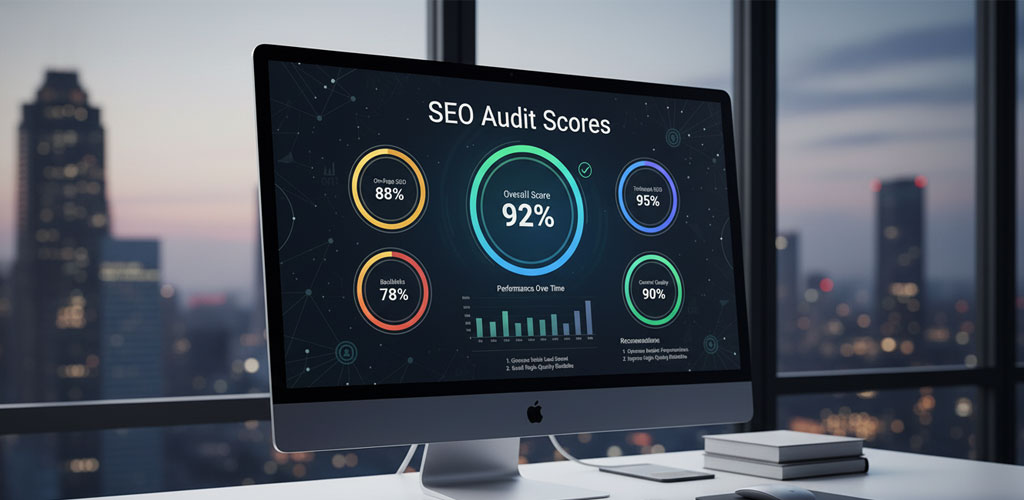
Search Engine Optimization (SEO) is often seen as a technical or fleeting trend, but the reality is that it remains a cornerstone of online success. Even as technology evolves and search engines adapt, the principles behind SEO—making your website useful, relevant, and accessible—will continue to be critical. Understanding why SEO still matters, and how it’s changing, is essential for any business or website owner who wants to remain competitive in the digital world.

SEO Is Not Just About Keywords

Many people still think SEO is only about inserting the right keywords into their content. While keywords play a role, modern SEO focuses much more on understanding user intent. Search engines now prioritize content that genuinely answers a user’s question or solves a problem. This means businesses need to create high-quality, informative, and engaging content that meets the needs of their audience. Optimizing for the user is no longer optional—it’s central to long-term SEO success.

User Experience Drives Rankings

Search engines reward websites that offer excellent user experiences. Factors like fast loading times, mobile-friendly design, and easy navigation are all part of SEO today. If your website frustrates visitors or is difficult to use, even the best content may fail to rank. Optimizing your site for usability ensures that users stay longer, engage more, and are more likely to convert, which in turn signals to search engines that your site is valuable.

The Role of AI and Automation in SEO

Artificial intelligence is transforming how search engines understand and rank content. AI algorithms can now interpret the context of web pages and user queries more accurately than ever before. This means SEO is shifting from keyword stuffing to creating meaningful content that AI can recognize as relevant. Automation tools also help businesses analyze data, identify trends, and make informed decisions about content strategy, making optimization smarter and more efficient.

Local and Voice Search Are Growing

The rise of mobile devices and voice assistants has changed the way people search. Local SEO has become crucial for businesses that rely on foot traffic or local clients. Similarly, voice search requires content that is conversational and answers specific questions clearly. Ignoring these trends could mean missing out on a significant portion of your potential audience. Forward-thinking SEO strategies now consider how users speak and what they are searching for in their immediate context.

SEO Is a Long-Term Investment

Unlike paid advertising, the benefits of SEO compound over time. A well-optimized website continues to attract traffic months and even years after the initial effort. Businesses that ignore SEO may find themselves constantly paying for ads just to stay visible, while those who invest in optimization build lasting digital authority. The future of SEO is about creating sustainable growth by focusing on quality, relevance, and user experience.

Conclusion

SEO is far from obsolete. It is evolving, but its importance remains undeniable. From user experience to AI-driven search, the principles of optimization are adapting to a digital landscape that is faster, smarter, and more user-focused than ever. Businesses that embrace these changes and invest in strategic SEO today will be the ones that continue to thrive tomorrow. Optimization, whatever you call it, is not just a technical task—it’s a long-term strategy for online success.

PPC-Marketing

In today’s digital world, businesses want quick results, and PPC (Pay-Per-Click) marketing has become one of the most effective ways to achieve that. Whether you run an online store or a service-based company, PPC can help you reach the right audience, drive qualified leads, and boost sales faster than organic marketing.

What Is PPC Marketing?

Pay-Per-Click, or PPC, is an online advertising strategy in which you only have to pay when a user clicks on your advertisement.  It’s like renting a top spot on search engines or social media platforms. Google Ads and Meta Ads are two of the most popular PPC platforms that allow advertisers to display ads to users who are actively searching or showing interest in similar products or services.

How PPC Works in Simple Terms

When you run a PPC campaign, you bid on specific keywords related to your business. Your advertisement shows up at the top of the results when someone searches for those keywords. You pay the platform a tiny fee if a user clicks on your advertisement. The main goal is to get high-quality traffic that converts into leads or sales. The better your ad and landing page are, the lower your cost per click and the higher your return on investment (ROI).

Why PPC Is Important for Businesses Today

PPC is not just about traffic—it’s about targeted visibility. In 2025, PPC has evolved with advanced audience targeting options, automation, and AI-driven insights. You can now target users by age, location, interests, device, or even behavior. This precision ensures that your ads are shown only to people who are most likely to convert.

Another big reason PPC is powerful is speed. PPC offers instant visibility, in contrast to SEO, which may take months to provide results. If your campaign is set up well, you can start generating leads or sales the same day your ads go live.

The Role of Data and Optimization

Modern PPC marketing relies heavily on data. Platforms like Google Ads now use AI and machine learning to optimize campaigns automatically. Advertisers can monitor metrics like Click-Through Rate (CTR), Conversion Rate, and Cost Per Acquisition (CPA) to understand what’s working and what’s not. Regular optimization—adjusting keywords, improving ad copy, and refining targeting—helps achieve better performance and higher ROI.

Common Platforms for PPC Advertising

While Google Ads remains the leader in PPC advertising, other platforms like Meta (Facebook and Instagram Ads), LinkedIn Ads, and Microsoft Ads also play a major role in digital marketing strategies. Each platform serves different business goals. For example, Google Ads works best for intent-based searches, while Meta Ads are great for building awareness and engaging audiences visually.

Future of PPC Advertising

The future of PPC looks even more intelligent and automated. AI-driven bidding, voice search targeting, and video-based ads are transforming how users interact with ads. In 2025, businesses are focusing more on personalization—showing the right message to the right user at the right time. PPC campaigns that blend creativity with data are outperforming traditional methods.

Final Thoughts

PPC marketing is no longer just an optional part of digital strategy—it’s a must-have. Whether you are a small business owner or a growing enterprise, investing in PPC can bring measurable results in less time. The key to success lies in continuous testing, optimizing, and adapting to platform updates. With the right approach, PPC can be your fastest path to visibility, leads, and long-term growth.

Mastering SEO in 2026

In the ever-evolving world of digital marketing, SEO remains one of the most powerful tools for businesses to reach their target audience. However, as we step into 2026, achieving meaningful results from SEO requires more than just following best practices—it demands a disciplined, data-driven approach that adapts to new technologies and search behaviors.

Understanding the Modern SEO Landscape

Search engines are smarter than ever. They no longer just focus on keywords but on understanding the intent behind every search query. Voice searches, AI-generated content, and mobile-first indexing have changed how users interact with content online. In this landscape, businesses must focus on creating content that satisfies the searcher’s intent, provides value, and encourages engagement. SEO in 2026 is not about tricking algorithms; it is about meeting users’ expectations with precision and relevance.

The Role of Discipline in SEO

Successful SEO campaigns are built on consistency and meticulous planning. From conducting comprehensive keyword research to optimizing on-page elements like meta tags, headings, and internal links, every action must align with a broader strategy. Tracking performance metrics, analyzing traffic patterns, and adjusting tactics regularly are essential components of this disciplined approach. SEO is no longer a set-it-and-forget-it practice; it requires ongoing attention and refinement.

Leveraging Technology and Data

In 2026, leveraging technology will be a cornerstone of effective SEO. Artificial intelligence and machine learning can help predict search trends, optimize content for user engagement, and identify gaps in your strategy. Data analytics tools provide insights into how visitors interact with your site, revealing opportunities for improvement and ensuring that every optimization effort is results-driven.

Creating a Results-Oriented SEO Strategy

A results-oriented SEO strategy begins with clear goals. Whether it’s increasing organic traffic, generating leads, or boosting online sales, every SEO action should support these objectives. Content should be optimized not only for search engines but for human readers, with a focus on readability, relevance, and value. Link-building strategies should prioritize quality over quantity, fostering relationships with authoritative websites to enhance credibility.

The Future of SEO in 2026

As search engines continue to evolve, SEO strategies must remain flexible. Businesses that combine disciplined execution with continuous learning and adaptation will stand out. The brands that thrive will be those that understand the balance between technical optimization and user experience, harnessing data to drive decisions and achieving measurable results over time.

In conclusion, SEO in 2026 is a blend of strategy, discipline, and adaptation. It’s about creating meaningful, high-quality experiences for users while consistently refining tactics to stay ahead in a competitive digital landscape. Those who embrace this approach will not only rank higher but also achieve sustainable business growth.

SEO Success Building Strategies

Introduction

The days of stuffing keywords and chasing algorithm loopholes are long gone. Today’s SEO success depends on understanding people, not just search engines. If your strategy doesn’t align with how your customers think, search, and buy, you’re missing the real opportunity. Building SEO strategies around real customer behavior means stepping into your audience’s world — understanding their intent, their online habits, and the journey they take before hitting that “buy” or “contact” button.

Understanding the Shift: From Algorithms to Audiences

Search engines have evolved to prioritize user intent over keywords. Google’s algorithms like BERT and MUM are designed to understand context, meaning, and user experience. This means your SEO plan can’t just focus on ranking for a set of keywords — it must reflect how your customers actually search and engage.

Instead of asking, “What keywords should I rank for?”, ask, “What are my customers really trying to find?” When your SEO strategy is built around real human intent, your website becomes more than just optimized — it becomes useful.

Step 1: Decode Your Customer’s Search Journey

Every search begins with a problem or curiosity. To build an SEO plan that works, map out your customer’s journey — from awareness to decision.

At the awareness stage, people use informational queries like “how to fix slow website speed” or “best CRM tools for small businesses.” As they move to the consideration stage, their searches get more specific, such as “top CRM platforms for startups.” Finally, at the decision stage, they’re comparing brands or prices.

By identifying what your customers are searching for at each stage, you can create content that matches their intent — blogs for awareness, comparison pages for consideration, and landing pages for decision-making.

Step 2: Use Behavioral Data as Your SEO Compass

Data is your greatest ally. Tools like Google Analytics, Search Console, and heatmaps reveal how users interact with your site — what pages they visit most, how long they stay, and where they drop off.

If users consistently bounce from a page, it’s a sign the content doesn’t match their intent. On the other hand, if certain pages keep visitors engaged longer, analyze why. Maybe it’s the topic, the tone, or the structure.

Combine this insight with keyword data to align your SEO plan with what your users actually want. Behavioral SEO is not about guessing — it’s about observing and adapting.

Step 3: Focus on Search Intent, Not Just Keywords

Keywords are still important, but intent defines their value. For instance, someone searching “buy Nike sneakers online” has a commercial intent, while “how to clean white sneakers” shows informational intent.

When you group keywords by intent, your content automatically becomes more targeted. Informational intent should lead to blog posts, while transactional intent should guide users toward product pages or offers. Matching content to intent ensures your visitors always find what they’re looking for — and search engines reward that relevance.

Step 4: Create Content That Feels Personalized

Customers don’t want generic content — they want experiences that feel tailored to them. Personalization in SEO isn’t just about inserting a name; it’s about crafting content that speaks directly to your audience’s pain points.

Use data from customer feedback, reviews, and social media conversations to identify recurring themes. Then, create blog posts, guides, and FAQs that answer those real-world questions. When your content solves actual problems, your brand becomes a trusted authority — which leads to better engagement and stronger rankings.

Step 5: Leverage Voice and Visual Search Trends

With the rise of smart devices, customers are searching differently. Voice searches often sound more conversational — like “Where can I find a digital marketing agency near me?” rather than “digital marketing agency India.”

Similarly, visual search (via tools like Google Lens) is changing the SEO landscape. Optimizing for these behaviors means using natural language, question-based content, and high-quality images with descriptive alt text. By adapting your SEO to how people really search today, you future-proof your strategy.

Step 6: Align Technical SEO with User Experience

Even the best content fails if your website frustrates users. Real customer behavior tells you how people experience your site — slow loading, poor navigation, or mobile-unfriendly layouts can push them away.

Ensure your site structure supports easy discovery. Use internal links to guide users deeper into your content, and keep your site fast and mobile-optimized. Google’s Core Web Vitals now measure real user experience — so technical SEO isn’t just backend work anymore; it’s part of the customer journey.

Step 7: Monitor, Measure, and Evolve

Building SEO around customer behavior isn’t a one-time effort — it’s a continuous process of learning and adapting. Monitor metrics like average session duration, pages per session, and conversion rate.

Look beyond rankings — ask if your traffic is converting, if your visitors are engaging, and if your bounce rate is improving. SEO is dynamic, and so are your customers. The brands that win are those that evolve with their audience’s changing habits.

Conclusion

In the modern digital world, SEO is no longer about beating algorithms — it’s about understanding people. When you align your SEO strategy with real customer behavior, you build trust, engagement, and loyalty — the three pillars of sustainable growth.

Stop chasing keywords; start following your audience. Because the most powerful SEO strategy is the one that puts humans first and algorithms second.

Shopify Updates

Introduction

Shopify continues to redefine eCommerce experiences with every new update, and its latest release is no exception. In the most recent round of updates, Shopify introduced a powerful enhancement focused on improving multi-market selling experiences for merchants around the world. This update reflects Shopify’s ongoing mission to simplify cross-border commerce and offer greater flexibility for both sellers and buyers.

Enhanced Draft Orders for Market Pricing

The standout update this month centers on draft orders. Shopify has now enabled market-specific pricing support for draft order checkouts. This means that when a merchant creates a draft order for a customer, and the customer later changes their shipping address during checkout, Shopify will automatically adjust the product prices according to the new market’s pricing rules.

This change ensures consistent pricing across different geographical regions and market configurations. For example, if a customer initially places an order from the United States but updates their shipping address to Canada, the checkout will automatically reflect Canadian pricing. This level of precision eliminates the confusion that could arise from price mismatches and ensures transparency in every transaction.

Why This Update Matters for Merchants

This enhancement might seem subtle, but it has a big impact for businesses selling internationally. In today’s eCommerce landscape, merchants often operate across multiple countries, each with different tax structures, currencies, and pricing strategies. Prior to this update, merchants needed to manually ensure that pricing remained accurate when customers updated their addresses. Now, Shopify’s intelligent pricing system handles that automatically.

By integrating this feature into the Shopify Markets framework, the platform gives merchants more control over how pricing is managed and displayed. It’s a step toward reducing administrative effort, improving conversion rates, and minimizing disputes caused by unexpected price changes during checkout.

Improved Localization and Customer Experience

Localization has always been a cornerstone of effective eCommerce. Shopify’s new feature enhances this further by offering real-time adjustments that reflect local pricing structures. This not only improves the shopping experience but also builds trust with international customers who expect transparency in product pricing and shipping costs.

From a customer’s perspective, this means a smoother, more reliable checkout experience. There are no surprises when changing delivery details, and the displayed price always aligns with the correct market. This kind of seamless localization plays a key role in building long-term relationships with shoppers around the globe.

A Step Forward for Developers and Integrations

Shopify developers and app builders will also benefit from this improvement. Many custom checkout flows and B2B systems rely on draft orders to create personalized or negotiated pricing. With market-based recalculations now included, developers can ensure that their integrations provide the same pricing accuracy as Shopify’s default checkout process.

This helps in maintaining pricing integrity and reduces the need for additional coding workarounds. It also strengthens the reliability of Shopify APIs for international transactions, giving developers the confidence to build more complex, global-ready solutions.

Shopify’s Ongoing Focus on Global Commerce

This update reflects a broader pattern in Shopify’s 2025 roadmap — an emphasis on smarter automation and global scalability. Throughout the year, Shopify has introduced several features designed to help merchants expand internationally, including AI-powered tools, better analytics, and enhancements to the Markets dashboard.

The new draft order pricing feature may seem like a small update, but it aligns perfectly with Shopify’s long-term goal: to make selling across multiple markets effortless and consistent. It eliminates one more layer of complexity for global sellers, allowing them to focus on growth rather than backend adjustments.