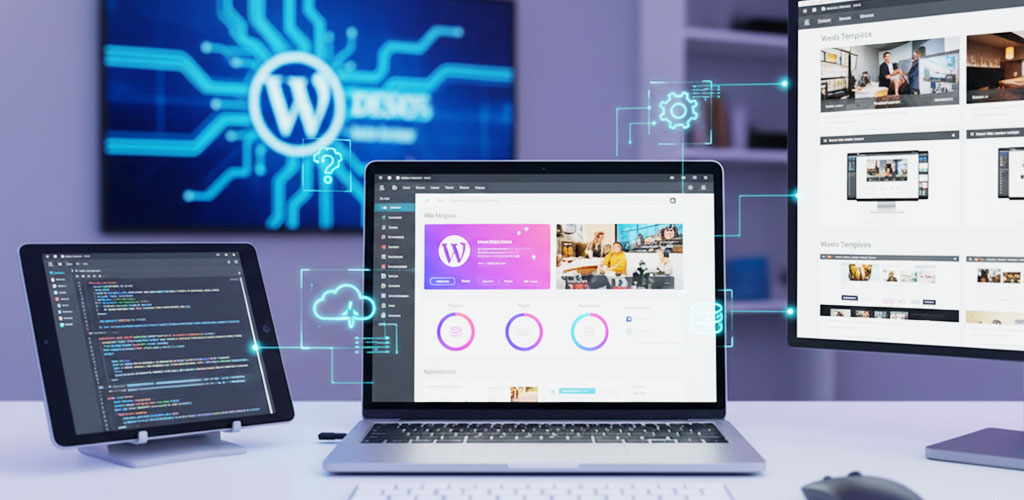
WordPress Unleashed: The Ultimate Powerhouse for Modern Websites

Category Archives: Wordpress

WordPress Development Retainers

When it comes to creating stunning, functional, and scalable websites, one name has stood the test of time — WordPress. What began as a simple blogging tool in 2003 has evolved into a powerful content management system (CMS) that powers more than 40% of all websites worldwide. Whether you’re a startup, an eCommerce brand, or a personal blogger, WordPress offers endless possibilities to shape your digital identity.

Why WordPress Still Dominates the Web World

In an age where website builders and no-code platforms are multiplying every day, WordPress continues to lead because of its flexibility and freedom. It gives users complete control over design, performance, and content. Unlike drag-and-drop builders that limit creativity, WordPress allows you to customize every pixel of your website with themes, plugins, and coding options. Many businesses also choose WordPress Development Retainers to ensure their websites receive continuous updates, expert maintenance, and long-term scalability. Since it’s open-source, WordPress is constantly evolving with contributions from developers across the globe — ensuring that your site stays modern, secure, and always ahead of the curve.

Design That Speaks Your Brand Language

First impressions matter, especially online. WordPress offers thousands of professional themes that you can personalize to match your brand’s voice and style. Whether you want a sleek corporate website, a creative portfolio, or a minimalist blog, the design options are limitless. With advanced page builders like Elementor, Divi, and Gutenberg, designing your dream website feels effortless — no coding required.

Plugins: The Secret Ingredient of WordPress Magic

One of the biggest reasons behind WordPress’s popularity is its plugin ecosystem. Plugins are like apps for your website, helping you add any functionality you can imagine — from SEO optimization and contact forms to eCommerce stores and booking systems. With over 60,000 plugins available, WordPress lets you build a feature-rich site that performs like a custom-built platform but at a fraction of the cost.

SEO-Friendly Structure That Drives Traffic

A website is only beneficial if users can access it. WordPress is naturally built for search engine optimization (SEO). It allows clean code structures, customizable permalinks, and metadata optimization. Paired with tools like Yoast SEO or Rank Math, you can effortlessly optimize your pages and blogs for Google rankings. This makes WordPress a favorite among digital marketers and SEO experts aiming for long-term growth.

Empowering eCommerce with WooCommerce

For entrepreneurs and small businesses, WordPress offers WooCommerce, a robust eCommerce solution that transforms a regular website into a full-fledged online store. From managing inventory to integrating payment gateways and tracking orders, WooCommerce brings everything under one roof. The best part? You can scale your store as your business grows without worrying about technical limits.

Security and Performance: Built to Stay Strong

In today’s digital world, website security is non-negotiable. WordPress understands this well and provides constant updates, SSL compatibility, and reliable security plugins like Wordfence and Sucuri. Moreover, with optimized hosting, caching, and content delivery networks (CDNs), WordPress sites load faster, perform better, and deliver seamless user experiences.

A Platform That Grows With You

Whether you’re just starting a blog or managing multiple business websites, WordPress grows as you do. It adapts to your needs — from simple pages to advanced web applications. Its community-driven development ensures that it keeps improving, making it a future-ready choice for individuals and organizations worldwide.

Conclusion: WordPress Is More Than a CMS — It’s a Digital Revolution

WordPress isn’t just a website builder; it’s a movement that empowers creativity, innovation, and freedom on the web. It gives everyone — from freelancers to Fortune 500 companies — the tools to create impactful online experiences. In a world that thrives on digital presence, WordPress remains the ultimate platform to build, grow, and dominate online.

WooCommerce

Introduction

In the world of online business, having an effective and easy-to-manage online store is essential. WooCommerce is one of the most popular tools for building eCommerce websites. It allows businesses, big or small, to sell products online without needing advanced technical skills. Built as a plugin for WordPress, WooCommerce turns any website into a fully functional online store.

What is WooCommerce?

An open-source eCommerce platform made specifically for WordPress websites is called WooCommerce. It provides all the features you need to manage products, payments, shipping, and customer orders. Being flexible and customizable, WooCommerce works for a wide range of businesses, whether you are selling physical products, digital goods, or even services.

Why Choose WooCommerce?

One of the biggest advantages of WooCommerce is its simplicity. You don’t need to know coding to set up your store. Its integration with WordPress makes it easy to use for anyone familiar with the platform. Another reason businesses prefer WooCommerce is the flexibility it offers. You can add different payment gateways, manage shipping options, create discount offers, and customize your store’s design to match your brand.

How WooCommerce Works

Once WooCommerce is installed on a WordPress site, it adds a dashboard to manage your online store. From this dashboard, you can add products, categorize them, set prices, and manage inventory. It also allows you to handle orders, process payments, and track customer activity. WooCommerce supports various payment methods like credit cards, PayPal, and other local payment systems, making it convenient for both store owners and customers.

Benefits of WooCommerce

WooCommerce is cost-effective because it is free to install and use. You only need to pay for hosting, domain, and additional plugins if required. It also has a large community and plenty of tutorials, which makes learning and troubleshooting easier. Another benefit is its scalability. Whether you are starting with a few products or planning to grow into a large online marketplace, WooCommerce can handle it.

Conclusion

WooCommerce is a reliable and user-friendly platform for anyone who wants to start selling online. Its flexibility, ease of use, and powerful features make it a preferred choice for entrepreneurs and businesses. By understanding how WooCommerce works, you can set up a professional online store, manage your products efficiently, and provide a smooth shopping experience to your customers.

TablePress WordPress Plugin

WordPress remains one of the most popular platforms for building websites, powering millions of sites across the globe. Its flexibility largely comes from plugins, which add functionality and ease of customization. However, this same strength can also introduce weaknesses if plugins are not regularly updated or monitored for vulnerabilities. Recently, a serious security flaw was discovered in the widely used TablePress plugin, a tool that allows site owners to create and manage tables without coding knowledge. With more than 700,000 active installations, the potential impact of this vulnerability is significant and has raised concerns within the WordPress community.

TablePress is a go-to plugin for many WordPress users, from bloggers to e-commerce businesses, because it simplifies the process of displaying structured data. Instead of writing HTML code for tables, users can design tables directly within the dashboard and display them anywhere on their site. Its ease of use has made it extremely popular. However, the discovery of a vulnerability highlights how any plugin, no matter how trusted, can become a target for malicious actors.

The flaw discovered in TablePress involves improper input validation, which means attackers could potentially inject malicious code into websites using the plugin. In practical terms, this could allow hackers to manipulate site content, redirect visitors to harmful websites, or steal sensitive data. When such a large number of websites are exposed, the threat extends beyond individual site owners to their audiences, who may unknowingly interact with compromised sites.

Security researchers reported the vulnerability after identifying how it could be exploited. The issue was taken seriously by the developer of TablePress, who quickly released an update to patch the problem. Users are strongly urged to update the plugin immediately to ensure their websites remain protected. As is often the case with WordPress vulnerabilities, the danger comes not from the flaw itself but from site owners delaying or ignoring updates, leaving their sites exposed to attackers.

This situation is a reminder of the broader reality that maintaining website security requires constant vigilance. WordPress, being open-source and widely adopted, is an attractive target for hackers. Plugins, in particular, are a common entry point since they are built by third-party developers and may not always go through rigorous security testing. When a plugin is installed on hundreds of thousands of websites, it becomes even more appealing for cybercriminals, who can exploit a single flaw to reach a massive number of targets.

The answer is obvious for TablePress website administrators: upgrade the plugin as soon as possible to the most recent version. Regularly checking for plugin updates should be a standard practice, as most vulnerabilities are patched quickly once identified. Beyond that, it is wise to implement broader security practices such as installing firewalls, using strong login credentials, and running periodic security scans to detect potential threats.

This incident also underlines the importance of choosing plugins carefully. While popularity can be an indicator of trustworthiness, it does not guarantee safety. Even highly reputable plugins with excellent reviews may face vulnerabilities over time. Therefore, administrators should monitor security advisories, follow updates from plugin developers, and stay informed about potential risks.

The TablePress vulnerability is not the first, nor will it be the last, security issue affecting WordPress plugins. In fact, thousands of vulnerabilities are reported in WordPress plugins each year. What matters most is how quickly developers address these issues and how diligently users apply the necessary fixes. In this case, the swift response from the plugin developer is commendable, but the ultimate responsibility lies with website owners to take action.

For businesses and individuals who rely on WordPress for their online presence, the incident should serve as a wake-up call. A website is often the first point of contact between a brand and its audience, and any compromise can damage credibility, disrupt operations, and lead to financial or reputational loss. By keeping plugins updated and treating website maintenance as an ongoing task rather than a one-time setup, site owners can significantly reduce their exposure to threats.

In conclusion, the discovery of a vulnerability in the TablePress plugin is a stark reminder of the constant battle between convenience and security in the digital world. With over 700,000 websites at risk, it highlights why proactive maintenance is critical for WordPress users. Updating plugins, staying informed, and prioritizing security measures are not optional tasks but essential steps in safeguarding online platforms. While plugins like TablePress add immense value to websites, their safety ultimately depends on the vigilance of both developers and users.

WordPress Power Your eCommerce Success

In the fast-evolving world of digital commerce, selecting the right platform is the foundation of building a successful online store. Among countless options, WordPress consistently stands out. But is it really the ideal choice for eCommerce websites? Your goals, budget, and desired level of store flexibility will determine the answer. Let’s dive deeper into what makes WordPress a contender and whether it aligns with your eCommerce vision.

Understanding WordPress and Its eCommerce Capabilities

WordPress started as a blogging platform but has since transformed into a powerful content management system (CMS) used by millions of websites globally. What gives WordPress its eCommerce edge is the WooCommerce plugin — a robust, open-source tool that allows businesses to turn any WordPress website into a fully functional online store.

WooCommerce adds all the essentials: product listings, shopping carts, secure checkouts, shipping options, payment gateways, and inventory management. It integrates smoothly with the WordPress ecosystem, making it easier for users already familiar with WordPress to transition into eCommerce.

Flexibility That Fits Every Business Model

One of the main reasons that entrepreneurs opt for WordPress for eCommerce is its unmatched flexibility. Whether you’re selling physical products, digital downloads, subscriptions, or services, WordPress gives you the freedom to customize your store’s layout, features, and functionality without rigid limitations. There’s no one-size-fits-all design here — you build what you need.

With thousands of themes and plugins available, WordPress makes it easy to tailor your site’s appearance and performance. With advanced SEO tools and customer engagement features, you can create an online store that evolves alongside your business.

Cost-Efficiency That Supports Growth

Due to limited budgets, startups and small businesses often seek out cost-effective solutions like WordPress. Unlike platforms that charge monthly subscription fees or transaction percentages, WordPress is free to use. WooCommerce is also free, with many essential features included at no extra cost.

However, some premium themes, plugins, and third-party services might require investment. Even then, the overall cost remains reasonable when compared to other platforms that bundle services into higher recurring fees.

Scalability That Keeps Up With Demand

When your eCommerce business starts to grow, you need a platform that scales with you. WordPress and WooCommerce can handle large catalogs, high traffic, and complex operations with the right hosting and optimization. This means you won’t need to jump to a new platform every time your store expands. You can start small and evolve into a robust online retailer without rebuilding your site from scratch.

SEO-Friendly Foundation

Online visibility is crucial for eCommerce success. WordPress has a strong reputation for SEO, and that translates well for online stores. With proper use of plugins like Yoast SEO or Rank Math, you can optimize your product pages, meta descriptions, and URLs to appear higher in search results. Improved rankings generate organic traffic, which lessens your dependence on paid ads.

Security and Maintenance Considerations

While WordPress is powerful, it requires regular updates and proper security measures. As an open-source platform, it’s more vulnerable to attacks if not maintained properly. Choosing secure hosting, installing SSL certificates, using trusted plugins, and keeping everything updated are essential to protecting your store.

Some businesses prefer hosted platforms like Shopify because of the reduced need for hands-on maintenance. But if you’re willing to put in a little extra effort or hire someone to manage the backend, WordPress offers more control and fewer long-term limitations.

Support and Community Resources

WordPress boasts one of the largest global communities of developers, designers, and users. This means solutions to problems, tutorials, and expert advice are always within reach. Whether you’re a DIY business owner or working with an agency, help is never far away.

WooCommerce also has a dedicated support system and an extensive knowledge base, which makes solving issues and learning new skills much easier than with closed systems.

When WordPress May Not Be Ideal

WordPress has its advantages, but it may not be the most suitable choice for every eCommerce project. If you’re launching a store with very limited technical knowledge and want a plug-and-play setup with minimal configuration, platforms like Shopify or BigCommerce might offer a more streamlined experience.

Similarly, if you prioritize built-in customer support, managed hosting, and don’t want to handle updates or plugin conflicts, then an all-in-one hosted solution could be better.

Final Thoughts: Is WordPress Right for Your eCommerce Journey?

WordPress, combined with WooCommerce, is a strong choice for entrepreneurs who value flexibility, cost-efficiency, and complete control over their online store. It’s ideal for businesses that want to start simple and scale over time, without being locked into a rigid system.

However, it does require some technical know-how or the willingness to invest in expert support. If you’re ready to take charge of your online presence and build a unique store tailored to your brand, then WordPress could be the perfect launchpad for your eCommerce success.

automotive seo agency

Introduction

Enterprise websites need more than just a great design to perform well online. Without proper search engine optimization, even the most advanced sites can get buried in search results. WordPress is widely used by businesses at every level, but enterprise sites require a more strategic approach. The right SEO tools and plugins can make all the difference in helping your site get discovered. Whether you’re part of an automotive SEO agency or managing a large corporate site, using the right tools can give your website a competitive edge.

Why SEO Plugins Are Essential for Big Sites

Larger websites usually have more content, more pages, and more complex structures. This creates a bigger challenge when it comes to keeping the site search-friendly. SEO plugins simplify this work by helping optimize content, improve site speed, fix broken links, manage redirects, and monitor search performance. For agencies dealing with clients in the automotive industry or other competitive sectors, having the right plugin setup can lead to better results and higher client satisfaction.

Boosting Content with Yoast SEO

Yoast SEO is a reliable tool for making sure your content is ready for search engines. It provides easy-to-follow suggestions while you’re writing, helping you use your focus keyword in the right places. The plugin also supports XML sitemaps, meta tag management, and content readability improvements. For enterprise websites that produce a lot of pages, this tool keeps everything aligned with SEO best practices.

Enhancing Performance with Rank Math

Rank Math has gained popularity for offering a wide range of SEO features without slowing down your website. It connects directly to Google Search Console and gives real-time reports. It supports rich snippets, schema markup, and keyword tracking. An enterprise that depends on search traffic—like an automotive SEO agency building campaigns for car dealerships—can benefit from Rank Math’s advanced analysis and automation.

Simplifying SEO with All in One SEO

This plugin is designed for users who want powerful features without too much complexity. It helps optimize meta titles, descriptions, and images while also supporting local SEO. If your enterprise site includes location-specific services or products, this plugin ensures your presence is solid on local search listings. Agencies managing different client categories will appreciate its wide feature set.

Custom Solutions with SEOPress

SEOPress is a strong plugin choice for developers and SEO teams looking for more control. It includes analytics integration, redirection tools, and support for Google structured data. It is especially useful for white-label SEO, making it a favorite for marketing agencies. Whether you’re managing internal SEO or offering services through an automotive SEO agency, SEOPress gives you flexibility without overloading your site.

Improving Site Speed with WP Rocket

Search engines consider loading speed when ranking websites. WP Rocket is a caching plugin that improves site performance by reducing load time. It compresses files, clears unused resources, and enables lazy loading for images. For enterprise websites that contain heavy content like media, videos, or animations, using WP Rocket can keep bounce rates low and rankings high.

Organizing Data with Schema Pro

Structured data improves search engines’ comprehension of your content.. Schema Pro makes it easy to add schema markup to your WordPress site without touching the code. From articles and reviews to business profiles, it covers a variety of content types. When your site includes listings or directories, especially common in automotive or product-based websites, schema can improve click-through rates and visibility.

Fixing Errors with Broken Link Checker

Large websites often struggle with broken links due to frequent updates or content changes. The Broken Link Checker examines your website and notifies you of problems that may impact your SEO. Fixing dead links improves both user experience and search engine trust. For enterprise-level sites with hundreds or thousands of pages, this tool is critical to maintaining long-term health.

Monitoring Content with Ahrefs Plugin

Ahrefs is well known in the SEO industry for research and backlink tools. Their WordPress plugin allows you to audit existing content, find underperforming pages, and receive optimization suggestions. This helps large websites identify pages that need updates and improvements. Automotive SEO agencies managing blog content, service pages, and regional listings can use these insights to boost page performance.

Conclusion

WordPress gives enterprise websites a strong foundation, but that alone isn’t enough to compete in today’s digital world. SEO plugins make it easier to manage optimization at scale, saving time and improving results. Whether you’re managing content in-house or working with an automotive SEO agency, these tools are essential for better visibility, faster load times, and higher engagement. By using the right combination of plugins, your enterprise site can stay ahead in search rankings and deliver a stronger user experience across all devices.