How AI Is Transforming Lead Generation: What SEO & PPC Teams Should Do Now

Category Archives: Ppc

AI Is Transforming Lead Generation

Artificial Intelligence is no longer just a trend in digital marketing. It is actively changing how businesses generate leads, attract customers, and optimize campaigns. From smarter search engines to automated ad targeting, AI is making marketing faster, more precise, and more competitive. For SEO and PPC teams, this shift means adapting quickly or falling behind.

The Rise of Smarter Search and User Intent

Search engines are becoming more intelligent with the help of AI. They now understand user intent better than ever before. Instead of focusing only on keywords, search engines analyze what users actually mean when they type a query. This has changed how content should be created.

SEO teams need to move beyond keyword stuffing and focus on creating meaningful, helpful content. Content should answer real questions and provide value. When users find exactly what they are looking for, search engines reward that content with better rankings. AI tools can also help identify trending topics and user behavior, making it easier to create content that attracts the right audience.

Automation is Changing PPC Campaigns

AI is also transforming PPC campaigns by automating many tasks that were once done manually. Bidding strategies, audience targeting, and ad placements are now handled by machine learning algorithms. This allows marketers to run more efficient campaigns with better results.

However, relying completely on automation is not enough. PPC teams must guide AI by providing the right data and clear goals. Campaign structure, audience signals, and creative quality still matter. The role of marketers is shifting from manual work to strategic decision-making. Understanding how AI works within ad platforms helps teams get the best performance from their campaigns.

Personalization is the New Standard

One of the biggest advantages of AI is its ability to deliver personalized experiences. Users now expect ads and content that match their interests and needs. AI analyzes user behavior, preferences, and past interactions to show highly relevant ads.

SEO teams should create content that speaks to different stages of the buyer journey. PPC teams should focus on creating multiple ad variations to test what works best. Personalization increases engagement, improves conversion rates, and ultimately generates more qualified leads.

Adapting to the AI-Driven Future

To succeed in this new environment, SEO and PPC teams must be flexible and willing to learn. AI tools can provide valuable insights, but human creativity and strategy are still essential. Teams should regularly analyze performance data, test new approaches, and refine their strategies.

Learning how to use AI tools effectively can give businesses a strong competitive advantage. Whether it is content optimization, keyword research, or campaign management, AI can enhance every part of lead generation when used correctly.

Conclusion

AI is reshaping lead generation in powerful ways. It is making search smarter, automating advertising, and enabling deeper personalization. For SEO and PPC teams, the key to success lies in adapting to these changes. By focusing on user intent, guiding automation, and creating personalized experiences, businesses can generate better leads and achieve long-term growth in an AI-driven world.

Google Ads in Restricted Niches

Introduction

Advertising in sensitive industries can feel like walking a tightrope. Platforms like Google Ads have strict policies around categories such as healthcare, financial services, personal hardships, and more. One major limitation advertisers often face is the inability to use remarketing. While remarketing is a powerful tool, it is not the only way to drive conversions. With the right strategy, you can still generate high-quality leads and consistent results.

Understanding Sensitive Categories

Sensitive categories typically involve user privacy concerns or regulated industries. These include areas like medical treatments, addiction recovery services, legal issues, and financial distress. Because these topics deal with personal and sometimes vulnerable user data, platforms restrict how advertisers can track and re-engage users.

Remarketing is often limited or completely restricted in these niches because it relies on tracking user behavior. However, this does not mean your campaigns cannot perform well.

Focus on High-Intent Keywords

When remarketing is not available, your keyword strategy becomes even more important. Instead of targeting broad terms, focus on high-intent keywords that indicate a user is ready to take action. For example, phrases that include words like “hire,” “get help,” “consultation,” or “near me” often signal strong intent.

By targeting these types of queries, you are reaching users who are already closer to conversion, reducing your reliance on follow-up ads.

Build Strong Ad Copy That Converts Instantly

In the absence of remarketing, your ad copy needs to do more work upfront. It should be clear, direct, and focused on solving the user’s problem immediately. Highlight trust signals such as certifications, years of experience, or client success stories.

Your message should answer the user’s concern in a single glance. This increases the chances of conversion during the first interaction itself.

Optimize Landing Pages for Immediate Action

Your landing page plays a crucial role when you cannot rely on repeat visits. It should be designed to convert users on their first visit. Keep the design simple, load times fast, and messaging consistent with your ad.

Include strong calls to action such as “Book a Consultation,” “Get a Free Quote,” or “Call Now.” Reduce distractions and make it easy for users to take the next step without hesitation.

Use Audience Targeting Without Remarketing

Even if remarketing is restricted, you can still use other audience targeting options within Google Ads. Custom segments, in-market audiences, and detailed demographics can help you reach the right users.

For example, targeting users actively searching for specific services or those showing intent signals can significantly improve campaign performance. This allows you to reach qualified prospects without relying on past interactions.

Leverage Conversion Tracking and Smart Bidding

While you may not be able to remarket, you can still track conversions effectively. Use tools within Google Ads to monitor actions like form submissions, calls, or purchases.

Smart bidding strategies such as Maximize Conversions or Target CPA can help optimize your campaigns automatically. These strategies use real-time data to adjust bids and improve performance based on user behavior patterns.

Build Trust Through Compliance and Transparency

In sensitive industries, trust is everything. Make sure your ads and landing pages follow all advertising policies. Be transparent about your services, pricing, and disclaimers where necessary.

Adding reviews, testimonials, and clear contact information can also increase credibility and improve conversion rates.

Conclusion

Running campaigns in sensitive categories without remarketing may seem challenging, but it is far from impossible. By focusing on high-intent targeting, strong messaging, optimized landing pages, and smart use of available tools, you can still achieve excellent results.

Success in these niches comes down to precision, trust, and delivering value in the very first interaction. When done right, you won’t need remarketing to drive meaningful conversions.

Power of Meta Ads

Understanding the Power of Meta Ads

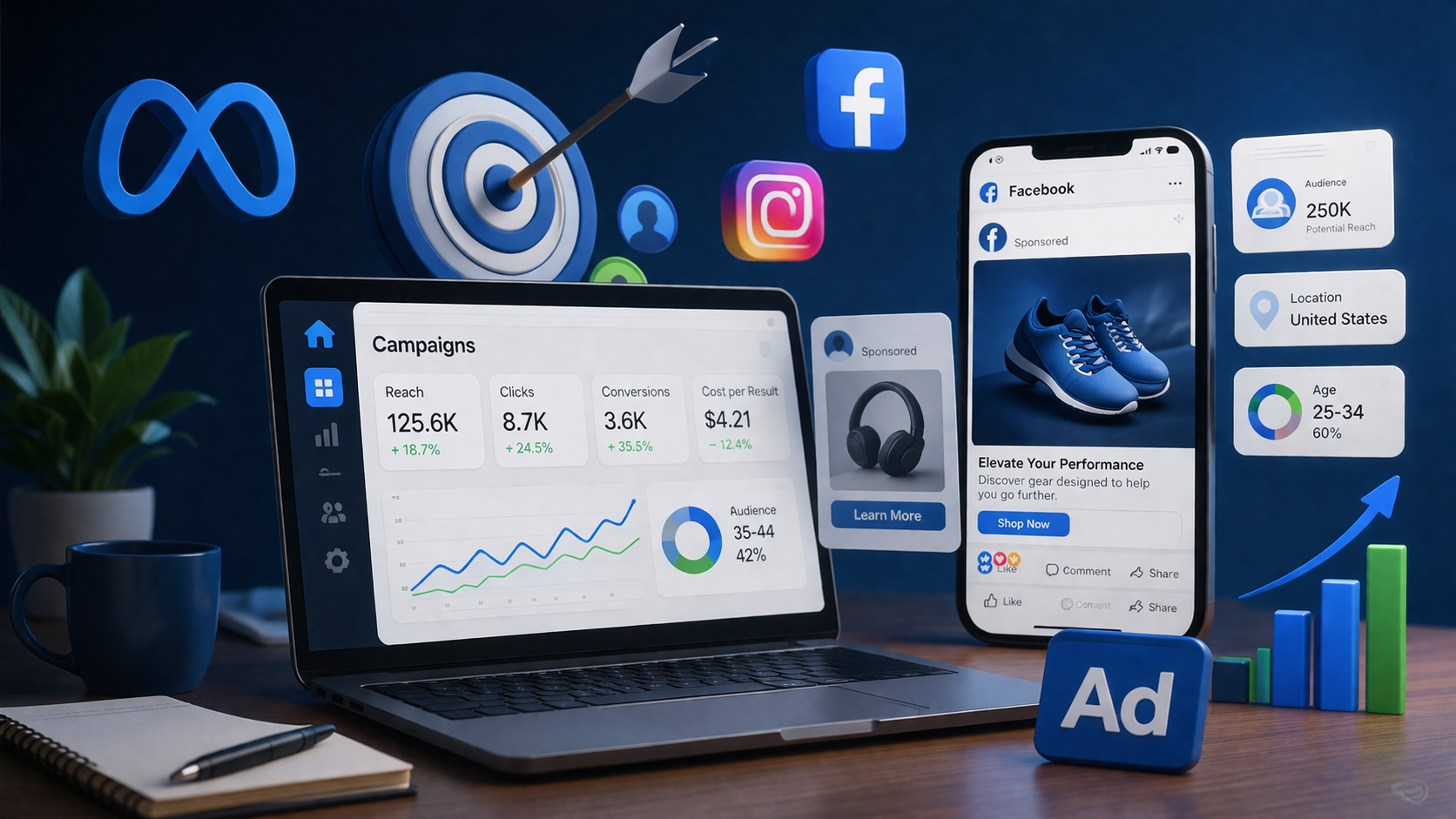
Meta Ads have become one of the most effective ways for businesses to reach the right audience at the right time. With billions of active users across platforms like Facebook and Instagram, Meta provides a powerful ecosystem where brands can connect, engage, and convert potential customers. What makes Meta Ads stand out is not just the reach, but the precision targeting that allows businesses to show ads to people based on interests, behavior, and demographics.

Why Businesses Rely on Meta Advertising

In today’s competitive digital space, simply having a website or social media presence is not enough. Businesses need visibility, and that’s where Meta Ads play a crucial role. They allow brands to generate awareness, drive traffic, and increase sales with measurable results. Whether you are a startup or an established company, Meta Ads give you the flexibility to control your budget and scale campaigns according to performance.

How Targeting Makes the Difference

One of the strongest features of Meta Ads is its advanced targeting capabilities. You can define your audience based on age, location, interests, online behavior, and even past interactions with your business. This ensures your ads are not wasted on the wrong audience. Instead, they reach people who are more likely to engage and convert, making your campaigns cost-effective and impactful.

Creating Ads That Capture Attention

Running ads is not just about targeting; creativity plays an equally important role. A strong visual combined with a clear message can significantly improve performance. The best Meta Ads are those that connect emotionally with the audience while offering a clear value. Whether it is a product benefit, a special offer, or a solution to a problem, your message should be simple, direct, and engaging.

The Role of Data in Improving Performance

Meta Ads provide detailed insights that help you understand how your campaigns are performing. Metrics like impressions, clicks, conversions, and engagement rates allow you to track results in real time. This data helps you make informed decisions, optimize your ads, and improve overall return on investment. Long-term success depends on ongoing testing and development.

Turning Clicks into Conversions

Getting clicks is only the first step; converting those clicks into customers is what truly matters. A well-designed landing page, clear call-to-action, and smooth user experience can significantly increase your conversion rate. Meta Ads work best when combined with a strong funnel that guides users from interest to action.

The Future of Digital Growth

Meta Ads are not just a marketing tool; they are a growth engine for businesses. As digital behavior continues to evolve, brands that leverage Meta’s advertising platform effectively will stay ahead of the competition. With the right strategy, creative approach, and consistent optimization, Meta Ads can deliver powerful and scalable results.

Final Thoughts

Meta Ads offer a perfect blend of reach, targeting, and performance tracking. For businesses looking to grow online, they provide an opportunity to connect with the right audience and achieve meaningful results. Success comes from understanding the platform, testing different approaches, and continuously refining your strategy to match your business goals.

Performance Max

Introduction

Google is continuously upgrading its advertising platform to help marketers get better results with less effort. One of its most powerful campaign types, Performance Max, has recently received new updates that focus on giving advertisers more control and clearer reporting. These improvements are especially useful for businesses and agencies that want deeper insights and better performance from their campaigns without increasing complexity.

What is Performance Max and Why It Matters

Performance Max is a goal-based campaign type that allows advertisers to access all of Google’s inventory from a single campaign. This includes Search, Display, YouTube, Gmail, and Discover. Instead of managing multiple campaigns, advertisers can use automation powered by machine learning to optimize performance across all channels.

The main advantage of Performance Max has always been automation, but earlier versions lacked transparency and detailed control. Many advertisers felt they were not fully aware of how their ads were performing across different placements. That’s exactly where these new updates make a difference.

More Control Over Campaign Performance

One of the biggest improvements is the increased level of control advertisers now have. Google has introduced features that allow users to guide campaigns more effectively instead of relying entirely on automation.

Advertisers can now better manage brand exclusions, ensuring that their ads do not appear for irrelevant brand-related searches. This helps in reducing wasted budget and improving lead quality. Additionally, there are improved audience signals, allowing marketers to provide stronger input about their ideal customers. While automation still plays a big role, these signals help the system learn faster and deliver more accurate results.

These control features are especially beneficial for agencies managing multiple clients because they can now align campaigns more closely with business goals.

Better Reporting for Clear Insights

Another major update is improved reporting. Earlier, Performance Max campaigns were often criticized for being a “black box,” meaning advertisers couldn’t clearly see what was working and what wasn’t. With the latest updates, Google is addressing this issue.

Advertisers can now access more detailed performance data, including insights into search terms, asset performance, and audience behavior. This helps marketers understand which creatives, headlines, or audience segments are driving results.

The reporting is designed to be easier to understand, even for beginners. This means you don’t need to be a data expert to analyze campaign performance. Clear insights allow businesses to make smarter decisions and optimize campaigns effectively.

Improved Asset-Level Insights

Creative assets like images, videos, and headlines play a huge role in Performance Max campaigns. Google has now improved asset-level reporting, giving advertisers better visibility into how each asset performs.

With these insights, marketers can identify which creatives are generating the most engagement and conversions. This makes it easier to refine ad creatives and improve overall campaign performance over time.

Instead of guessing what works, advertisers can now rely on actual data to make improvements.

How These Updates Help Businesses

These new features are designed to strike a balance between automation and control. Businesses can still benefit from Google’s powerful machine learning while having more influence over campaign direction.

For small businesses, this means easier campaign management with better results. For agencies, it means more transparency and the ability to show clear performance reports to clients. This is especially important when clients want to understand where their budget is being spent and what results they are getting.

Overall, these updates help reduce confusion and improve trust in Performance Max campaigns.

Conclusion

Google’s latest updates to Performance Max are a big step forward for advertisers. By introducing better controls and more detailed reporting, Google is making it easier to manage campaigns and understand performance.

These changes not only improve transparency but also help businesses make smarter marketing decisions. Whether you are a beginner or an experienced advertiser, these updates make Performance Max more reliable, effective, and user-friendly.

If used correctly, these new features can significantly improve campaign performance and help businesses achieve their marketing goals faster.

Googles Advertising Policies

A New Shift in Google’s Advertising Policies

Google is introducing an important update that will affect how certain products are advertised through Shopping ads. Starting April 16, the platform will apply stricter rules to ads that include political content. This move shows that Google is expanding its focus on election safety, not just in search or display ads, but also in e-commerce advertising.

What Is Actually Changing

The core change is simple. If a merchant is running Shopping ads that include political content, they may now be required to complete a verification process as an election advertiser. This verification confirms the identity of the advertiser and ensures transparency in political messaging.

At the same time, Google is also placing stronger restrictions in some regions. In India, certain types of political Shopping ads may not be allowed at all. This means advertisers need to be extra careful about the kind of content they promote through their product listings.

Understanding Political Content in Shopping Ads

Political content does not refer to all products. It only applies to items that are directly or indirectly related to elections, political parties, candidates, or public policies. Google does not always define specific products. Instead, it focuses on the message or intent behind the product.

For example, a normal product without any political meaning is completely safe. However, if a product promotes a political idea, candidate, or campaign, it may fall under this category. This is why advertisers must review their product titles, descriptions, and images carefully.

Countries Affected by This Update

This new rule will apply to selected countries, including the United States, the United Kingdom, Australia, South Africa, Mexico, Argentina, Chile, Israel, and New Zealand. Advertisers targeting users in these regions need to pay special attention to this policy.

Even if your business is based in India, the rule can still affect you if you are targeting any of these countries through your Shopping campaigns.

Why Google Is Making This Change

Google has been working to improve transparency and trust in advertising, especially during elections. Political ads can influence public opinion, so platforms are becoming more strict about who can run such ads and how they are presented.

By adding verification requirements, Google aims to reduce misuse and ensure that only genuine and verified advertisers can promote political-related content.

What Advertisers Should Do Now

If you are running Shopping ads, this is a good time to review your campaigns. Check whether any of your products could be considered political in nature. If they are, you should prepare for the verification process before the deadline.

Ignoring this update could lead to ads being disapproved or campaigns getting paused. In some cases, accounts may also face restrictions if they do not follow the new rules.

How This Impacts Regular Businesses

For most businesses, this update will not cause any issues. If you are selling regular products like electronics, clothing without political messaging, or offering services such as digital marketing or software development, you do not need to worry.

This update mainly targets a specific group of advertisers who deal with politically related products.

Final Thoughts

Google’s new policy may seem small, but it is an important step in shaping how advertising works in sensitive areas like politics. The key takeaway is to stay aware, review your content, and take action if needed before April 16.

For advertisers, the best approach is always to stay updated with platform policies. Even small changes can have a direct impact on campaign performance and approval. Being proactive will help you avoid disruptions and keep your ads running smoothly.