How Wix Is Powering Modern Websites for Businesses in 2026

Category Archives: Web Design

Wix development environment

The Shift Toward Faster Website Creation

Businesses today need websites that can be built quickly, updated easily, and managed without heavy technical work. In recent years, many companies have started moving away from complex development processes and toward platforms that allow faster website creation. Wix has become one of the platforms helping businesses achieve this balance between simplicity and functionality.

Instead of spending months building a website from scratch, companies can now design and launch professional websites within days. Wix provides a visual development environment where users can design pages, manage content, and customize layouts without writing large amounts of code. This approach allows startups, service companies, and even growing brands to focus more on their business goals rather than technical development.

At the same time, Wix has evolved far beyond a basic website builder. The platform now offers advanced tools that support marketing, automation, and business growth.

A Platform Designed for Business Flexibility

One of the strongest advantages of Wix is its flexibility. Businesses can create different types of websites depending on their needs. Service providers can build professional company websites, eCommerce brands can launch online stores, and agencies can design landing pages for marketing campaigns.

The drag-and-drop editor remains one of the most widely used features because it gives users full control over the layout. Instead of working with rigid templates, businesses can customize sections, images, fonts, and page structures to match their branding.

Another important development is Wix Studio, which was introduced to support agencies and professional designers. This environment allows more advanced design control, responsive layouts, and collaborative work between teams. For digital agencies that manage multiple client websites, this makes the workflow more efficient.

Because of these improvements, Wix is no longer seen as only a beginner platform. Many professional designers and developers now use it for real client projects.

Built-In Tools That Support Marketing

A contemporary website needs to do more than just show content. It also needs to help businesses attract visitors and convert them into customers. Wix includes several built-in marketing tools that help companies manage this process from one dashboard.

The platform offers search engine optimization settings that allow users to customize page titles, meta descriptions, and URLs. These features help websites appear in search results and bring organic traffic over time. Wix also provides guidance for improving SEO so that even non-technical users can optimize their websites.

Email marketing tools are also integrated into the platform. Businesses can collect leads through forms, manage customer contacts, and send email campaigns directly from their Wix dashboard. As a result, using numerous third-party tools is no longer necessary.

Another helpful feature is automation. Wix allows businesses to create automated responses, welcome emails, or follow-up messages after a customer submits a form or makes a purchase. These small automation systems help businesses stay connected with customers without constant manual work.

eCommerce Growth With Wix

Online selling has become a major priority for many brands, and Wix has expanded its eCommerce features significantly. Businesses can now create full online stores that include product pages, payment systems, inventory management, and order tracking.

The platform supports multiple payment options, making it easier for customers to complete purchases. Store owners can also manage discounts, coupons, and promotional campaigns directly from the dashboard.

Another useful feature is integration with social selling. Wix allows businesses to connect their online store with platforms such as Instagram and Facebook, helping brands reach customers across different channels. This connection makes it easier for customers to discover products and complete purchases.

For smaller brands and startups, Wix eCommerce provides a cost-effective way to launch an online store without hiring a full development team.

Artificial Intelligence in Wix Development

Artificial intelligence is now playing a growing role in website creation, and Wix has integrated several AI features to simplify development. Wix AI tools can help generate website layouts, suggest design improvements, and even assist with writing content for pages.

This technology helps reduce the time required to build a professional website. Instead of designing every section manually, users can allow AI to create a basic structure and then customize it according to their needs.

AI is also helping with customer engagement. Wix chat systems can answer basic questions, guide visitors through websites, and improve the overall user experience.

As AI continues to evolve, these features will likely become an even bigger part of website management.

Why Many Businesses Continue Choosing Wix

The main reason many businesses choose Wix is its balance between simplicity and capability. It allows users with limited technical experience to build professional websites while still offering advanced tools for designers and developers.

Companies can manage their entire digital presence from a single platform. Website design, marketing campaigns, online sales, and customer communication can all be handled within the Wix ecosystem.

This integrated environment reduces complexity and allows businesses to focus on growth rather than technical maintenance.

The Future of Website Platforms

Website technology is moving toward platforms that combine design, marketing, and automation in one place. Wix is part of this shift because it continues to expand its features while keeping the platform accessible for non-technical users.

As businesses become more digital, the demand for faster and smarter website solutions will continue to grow. Platforms like Wix are helping companies launch websites quickly while still providing the tools needed to compete online.

For startups, service providers, and online brands, Wix has become a practical solution for building a strong online presence without complicated development processes.

Magento

One of the most widely used systems for creating eCommerce websites is Magento.  Many small businesses, growing brands, and even large companies use Magento to sell products online. The reason is simple: it gives full control, flexibility, and powerful features that help businesses grow at their own pace.

If you want an online store that can handle more products, more customers, and future growth, Magento is worth understanding.

What Is Magento?

Magento is an open-source eCommerce platform that helps businesses create and manage online stores. Open-source means developers can customize it according to business needs. You are not locked into fixed designs or features.

Magento is now part of Adobe, which has made it more secure, stable, and enterprise-ready. It is mainly used by businesses that want more control than basic platforms like Shopify or Wix.

Why Businesses Choose Magento

One big reason businesses choose Magento is flexibility. You can customize almost everything, from design to checkout flow. This makes it suitable for unique business models, B2B stores, and large catalogs.

Magento also supports multiple stores from one admin panel. This means you can manage different websites, languages, and currencies from a single dashboard. For businesses planning international sales, this is a big advantage.

Magento for Small and Large Businesses

Magento works well for both small and large businesses, but it shines the most when a business is ready to scale. Small businesses can start with basic features and later add advanced functions like custom pricing, integrations, and automation.

For large businesses, Magento can handle thousands of products and high traffic without breaking down, as long as hosting and development are done properly.

Customization and Design Freedom

With Magento, you are not limited to ready-made templates. Designers and developers can create custom themes that match your brand exactly. From homepage layout to product pages, everything can be tailored.

You can also add extensions to improve features like payment gateways, shipping methods, CRM integration, and marketing tools. This makes Magento very powerful but also means it needs proper development support.

SEO-Friendly Platform

Magento is known for being SEO-friendly when set up correctly. It allows control over URLs, meta titles, descriptions, and site structure. This makes your website easier for search engines to comprehend.

With solid content and technological setup, Magento websites can rank well on Google.

Performance and Security

Magento is built to handle large traffic and complex operations. It supports caching, CDN integration, and performance optimization. When hosted on a good server, Magento stores load fast and run smoothly.

Security is another strong point. Magento regularly releases security patches to protect websites from threats. Businesses dealing with sensitive customer data trust Magento for this reason.

Is Magento Right for You?

Magento is not the easiest platform to use without technical knowledge. It usually requires a developer or an agency for setup, customization, and maintenance. If you want a very simple store with minimal effort, Magento may feel complex.

However, if your goal is long-term growth, custom features, and full control over your online store, Magento is a smart investment.

Final Thoughts

Magento is a powerful eCommerce platform designed for businesses that want flexibility, scalability, and control. It is not just about selling products today, but about building a strong online store for the future.

With the right development support and strategy, Magento can help businesses create professional, high-performing, and growth-ready eCommerce websites.

Magento

Magento, now known as Adobe Commerce, is a powerful eCommerce platform used by businesses worldwide. While it offers unmatched flexibility and customization options, managing SEO on Magento can be tricky. Many store owners face technical challenges that affect their search engine visibility and organic traffic. In this guide, we’ll explore the most common Magento SEO issues and provide practical solutions to improve your website’s performance in search results.

Understanding the Importance of SEO for Magento Stores

Before diving into specific issues, it’s important to understand why SEO matters for Magento stores. Unlike content-driven websites, eCommerce sites often have hundreds or thousands of product pages. Each page needs to be optimized to rank effectively on search engines. Technical SEO ensures that your site is easily crawlable by search engines, loads quickly, and provides a seamless user experience. Without proper SEO, even high-quality products may remain invisible to potential customers.

Duplicate Content Problems

One of the biggest challenges in Magento SEO is duplicate content. This usually happens when the same product appears under multiple URLs. For example, a product might be accessible through different categories or filters, creating several identical pages. Search engines may struggle to decide which page to index, which can dilute your ranking power.

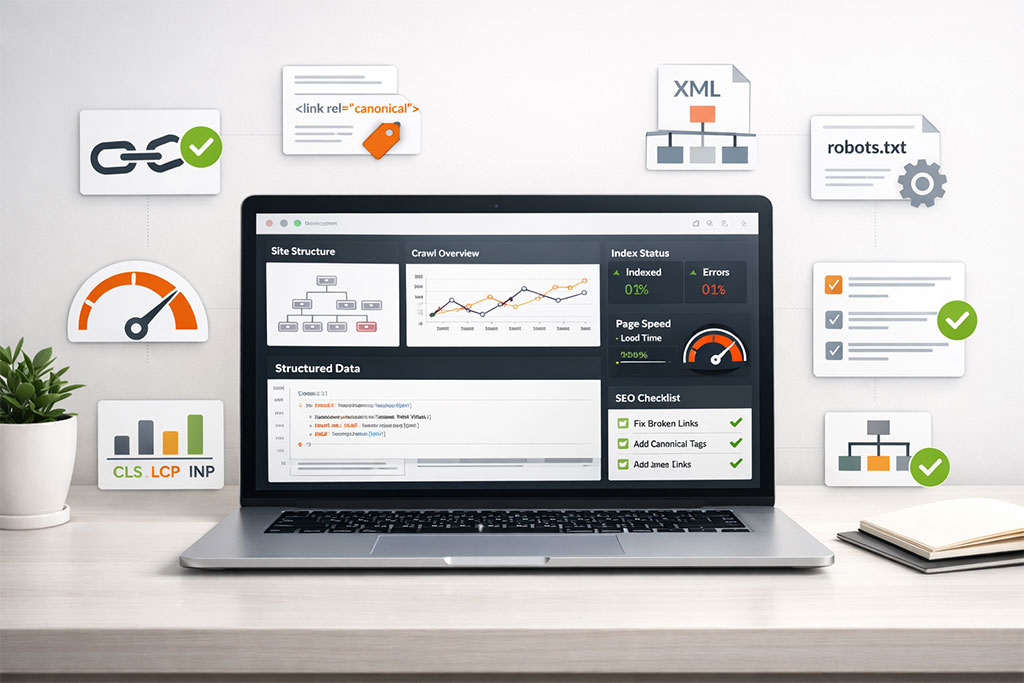
The solution involves implementing canonical tags. Canonical tags indicate the preferred version of a page to search engines, helping to consolidate ranking signals. Additionally, configuring URL structures to avoid unnecessary parameters and using Magento’s built-in URL rewrite options can prevent duplicate content issues.

Slow Page Speed

Page speed is another common issue that can impact both SEO and user experience. Magento stores often have heavy themes, numerous plugins, and high-resolution images, all of which can slow down page loading times. Google considers page speed a ranking factor, and slow pages can lead to higher bounce rates.

Optimizing images, enabling caching, and using a content delivery network (CDN) can significantly improve load times. Magento also offers built-in tools to enable flat catalog structures and full-page caching, which reduce server load and make pages faster for visitors. Regularly testing your site’s speed using tools like Google PageSpeed Insights helps identify problem areas.

Broken Links and 404 Errors

Broken links and 404 errors can hurt your SEO performance. Magento stores often experience these issues when products are removed or categories are reorganized. Search engines interpret broken links as poor user experience, which can affect your site’s ranking.

To solve this, regularly audit your website for broken links. Magento allows you to set up URL redirects from old URLs to new ones, ensuring that users and search engines are directed to the right pages. Maintaining a proper URL structure and avoiding frequent unnecessary changes can reduce the likelihood of broken links in the future.

Poor Mobile Optimization

Mobile optimization is no longer optional. With the majority of eCommerce traffic coming from mobile devices, Magento stores that aren’t mobile-friendly risk losing potential customers and search engine rankings. Common mobile SEO issues include slow loading times, unresponsive design, and difficult navigation on smaller screens.

Using a responsive Magento theme ensures that your store automatically adapts to different screen sizes. Additionally, optimizing mobile-specific elements, such as buttons, menus, and checkout forms, improves usability and can boost mobile search rankings. Google’s mobile-first indexing also means that your mobile version largely determines your rankings, making mobile optimization essential.

Indexing and Crawlability Issues

Magento’s complex structure can sometimes make it difficult for search engines to crawl and index all pages effectively. Issues like poor internal linking, excessive use of noindex tags, and improper sitemap configurations can prevent search engines from discovering important pages.

To fix this, ensure that your XML sitemap is properly configured and submitted to Google Search Console. A clean and logical internal linking structure helps distribute link equity and makes it easier for search engines to navigate your site. Avoid using unnecessary noindex tags on pages that should be indexed, and check that your robots.txt file is not blocking important sections of your store.

Meta Tags and Structured Data

Missing or poorly optimized meta tags, such as titles and descriptions, can limit your store’s visibility and click-through rates. Magento allows you to edit meta tags for products, categories, and CMS pages, but many store owners neglect this aspect of SEO.

In addition, structured data markup can enhance your listings in search results with rich snippets, such as product ratings, prices, and availability. Implementing structured data in Magento helps search engines understand your content better and can improve your site’s appearance in search results.

Handling Pagination Correctly

Pagination is common on category and product listing pages, but incorrect handling can lead to duplicate content or crawl inefficiencies. Magento’s default settings may not always manage paginated pages in an SEO-friendly way, which can confuse search engines.

Using rel=”next” and rel=”prev” tags can signal the relationship between paginated pages. Combining this with proper canonicalization and avoiding indexation of unnecessary parameter pages helps search engines understand your content hierarchy and ensures that link equity flows correctly.

Conclusion

Magento offers immense potential for online stores, but technical SEO issues can undermine its effectiveness if not addressed. From duplicate content and slow page speed to mobile optimization and structured data, each aspect of technical SEO contributes to better visibility and user experience. By systematically addressing these issues, store owners can improve search engine rankings, attract more traffic, and ultimately increase conversions.

Investing in a solid SEO strategy for your Magento store is not just about following best practices; it’s about making your online business more accessible, efficient, and competitive in the digital marketplace. With the right approach, even the most complex Magento websites can achieve strong organic performance and sustainable growth.

Top Landing Page Builders

In 2026, landing pages are no longer just simple web pages. They have become powerful tools for lead generation, sales, and brand growth. Whether you are running Google Ads, Meta Ads, or organic campaigns, a high-converting landing page can make a big difference. The good news is that you no longer need coding skills to build professional landing pages. Modern landing page builders are faster, smarter, and more conversion-focused than ever before. This blog explores seven of the best landing page builders you can rely on in 2026, explained in a simple and practical way.

Why Landing Page Builders Matter More in 2026

User behavior has changed rapidly over the years. Visitors now expect fast loading pages, mobile-friendly designs, clear messaging, and smooth experiences. Search engines and ad platforms also favor pages that offer good user experience. Landing page builders help businesses meet these expectations without technical complexity. They allow marketers, agencies, and business owners to create pages that convert visitors into leads or customers with minimal effort.

Unbounce – Built for High Conversions

Unbounce continues to be one of the strongest landing page builders in 2026, especially for performance marketers. It focuses heavily on conversion optimization and A/B testing. The platform allows you to create landing pages that are optimized for paid ads and lead generation. Its AI features help suggest improvements based on visitor behavior, making it a smart choice for businesses that want data-driven results without manual testing.

Leadpages – Simple and Reliable for Growing Businesses

Leadpages is popular because of its simplicity and affordability. In 2026, it remains a great option for small businesses and service providers who want fast results. The platform offers clean templates, easy drag-and-drop editing, and strong integration with email marketing tools. It is especially useful for businesses focused on lead collection, webinars, and basic sales funnels without advanced technical needs.

Webflow – For Designers Who Want Full Control

Webflow stands out as a powerful landing page builder for those who care deeply about design and performance. It allows users to create visually stunning pages while maintaining clean code and fast loading speed. In 2026, Webflow is widely used by agencies and brands that want complete creative freedom. While it has a learning curve, the results are professional and scalable, making it ideal for long-term growth.

Instapage – Perfect for Paid Advertising Campaigns

Instapage is designed specifically for advertisers who run large-scale paid campaigns. It offers advanced personalization, heatmaps, and collaboration features. In 2026, Instapage remains a top choice for agencies managing Google Ads and Meta Ads for multiple clients. Its ability to match landing page content with ad intent helps improve quality scores and conversion rates.

ClickFunnels – More Than Just Landing Pages

ClickFunnels is not just a landing page builder but a complete funnel-building platform. It is widely used by coaches, course creators, and online sellers. In 2026, ClickFunnels continues to evolve with better automation, checkout optimization, and email integration. It is best suited for businesses that want to guide users through a complete sales journey instead of a single landing page.

Carrd – Lightweight and Budget-Friendly

Carrd is a simple yet powerful landing page builder that has gained popularity for its speed and minimal design approach. In 2026, it is commonly used for personal brands, startups, and one-page campaigns. Carrd is easy to use, loads extremely fast, and works well on mobile devices. While it may not have advanced features, it is perfect for quick launches and budget-friendly projects.

WordPress with Page Builders – Flexible and SEO-Friendly

WordPress combined with modern page builders continues to be a strong landing page solution in 2026. It offers flexibility, full ownership, and excellent SEO control. Businesses that want long-term scalability often choose WordPress because it supports custom design, plugins, and integrations. It is especially useful for companies that want landing pages along with blogs, service pages, and content marketing under one platform.

How to Choose the Right Landing Page Builder in 2026

The best landing page builder depends on your business goals, budget, and marketing strategy. If you focus on paid ads and conversions, platforms like Unbounce or Instapage work well. If design and branding matter most, Webflow is a strong option. For beginners or small businesses, Leadpages and Carrd offer simplicity. If you want full control and SEO benefits, WordPress remains a reliable choice.

Final Thoughts

Landing page builders in 2026 are smarter, faster, and more user-friendly than ever before. They empower marketers and businesses to create high-quality pages without relying on developers. Choosing the right tool can improve your campaign performance, reduce costs, and help you convert more visitors into customers. No matter your business size, investing in the right landing page builder is a smart step toward digital success.

WordPress Development Retainers

WordPress continues to evolve every year, and 2026 is shaping up to be a big year for website performance, AI-driven search, and long-term website management. One area where WordPress users see the biggest impact is plugins. Choosing the right plugin can save time, improve results, and reduce ongoing maintenance issues. Among many options, Rank Math SEO stands out as one of the most useful WordPress plugins for 2026.

This plugin is especially valuable for businesses and agencies offering WordPress Development Retainers, where continuous optimization and performance matter more than one-time setup.

Why Rank Math SEO Is Still Relevant in 2026

Search engines are becoming smarter, and SEO is no longer about just adding keywords. Rank Math has adapted well to these changes by focusing on automation, AI suggestions, and performance-friendly features. In 2026, websites need to load fast, stay secure, and provide clear signals to search engines, and Rank Math supports all these needs without making things complicated.

What makes Rank Math different is that it combines many SEO tools into one plugin. This reduces the need for multiple plugins, which helps keep WordPress websites lightweight and stable.

Latest Rank Math Updates That Matter

The latest updates to Rank Math focus on AI-based content suggestions, improved schema support, and better compatibility with block-based WordPress themes. These updates are designed for modern WordPress users who want results without spending hours on technical SEO settings.

Rank Math now offers smarter keyword analysis, better integration with Google Search Console, and automated SEO checks that run in the background. This makes it ideal for businesses that want ongoing SEO improvements as part of WordPress Development Retainers rather than manual work every month.

Easy SEO for Non-Technical Users

One of the biggest advantages of Rank Math is how easy it is to use. Even users with limited technical knowledge can understand what needs to be fixed on a page. The plugin provides clear suggestions in simple language, which is perfect for business owners managing content on their own.

For agencies and developers, this ease of use reduces support requests and saves time. When SEO basics are handled smoothly, teams can focus on strategy and growth instead of troubleshooting.

How Rank Math Supports Long-Term Website Management

In 2026, website owners are moving away from one-time development projects. Instead, they prefer long-term partnerships that include updates, optimization, and performance monitoring. This is where WordPress Development Retainers become valuable.

Rank Math fits perfectly into this model because it continuously monitors SEO health. It alerts developers about issues like broken links, missing metadata, or indexing problems. This allows agencies to provide ongoing value to clients without rebuilding websites again and again.

Better Performance and Core Web Vitals

Website speed and user experience are critical ranking factors now. Rank Math is built with performance in mind and does not slow down websites like older SEO plugins. It works smoothly with caching plugins and modern hosting environments.

This helps developers maintain strong Core Web Vitals scores, which is an important part of ongoing WordPress maintenance services included in WordPress Development Retainers.

A Future-Ready Plugin for Growing Businesses

As WordPress continues to integrate more AI features and block-based design, plugins must stay compatible and future-ready. Rank Math has shown consistent updates and strong community support, making it a reliable choice for the coming years.

For businesses planning long-term growth, using the right plugin reduces risk and improves consistency. Rank Math allows teams to scale SEO efforts without increasing workload.

Final Thoughts

Rank Math SEO remains one of the best WordPress plugins heading into 2026. Its regular updates, easy interface, and strong performance make it ideal for modern websites. Whether you are a business owner or an agency offering WordPress Development Retainers, this plugin helps deliver continuous value with less effort.

Choosing the right plugin today can save months of work in the future, and Rank Math proves that smart tools are key to sustainable WordPress success.