For years, businesses have focused on one main goal: getting their websites to rank higher on Google. A strong position in search results brings more visitors, more inquiries, and more sales. However, the way individuals look for information is evolving. Today, many users are turning to AI tools for answers instead of clicking through multiple websites.
This shift raises an important question: If your website ranks well on Google, does artificial intelligence actually know your business exists?
Search Is Changing Faster Than Ever
Users are presented with a list of webpages by traditional search engines. People choose which result to click and explore further. AI-powered tools work differently. Instead of showing a long list of links, they often provide direct answers by gathering information from multiple sources.
When someone asks an AI assistant for the best software company, a trusted digital marketing agency, or a reliable service provider, the AI may recommend businesses based on the information it can find and understand online. If your business is not visible in the places AI systems look for information, you could miss opportunities even if your website ranks well in search results.
Why Google Rankings Alone Are Not Enough
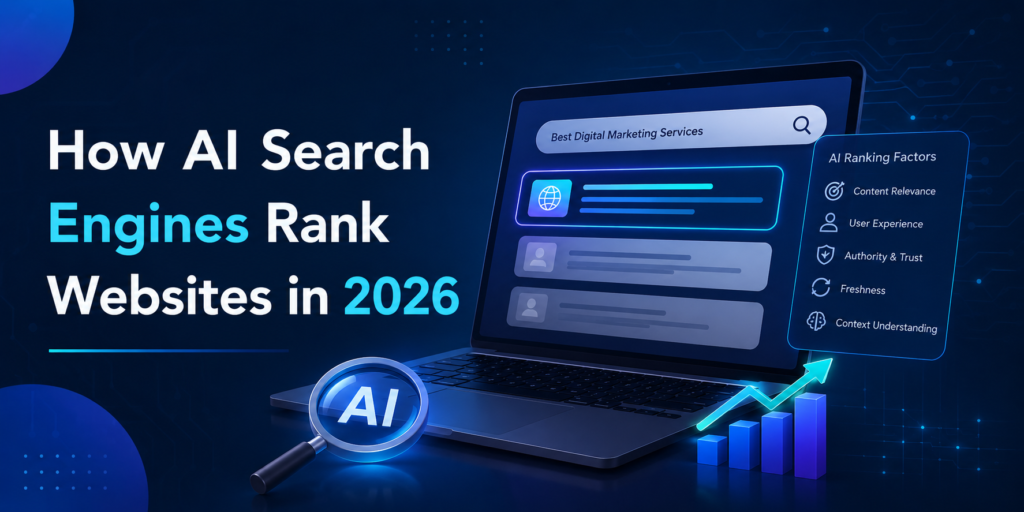
A high Google ranking is still valuable. It makes it easier for customers to find your company through conventional searches. However, AI systems often rely on more than website rankings. They look for clear business information, consistent branding, expert content, online mentions, customer reviews, and trusted references across the internet.
If your website only focuses on keywords and rankings, AI may have limited information about your business. As a result, it may not recognize your expertise or recommend your services when users ask related questions.
Building an AI-Friendly Online Presence
The good news is that becoming visible to AI does not require starting over. It begins with creating useful, informative content that answers real customer questions. AI systems are more likely to recognize businesses that regularly publish valuable information and demonstrate expertise in their industry.
Your website should clearly explain who you are, what services you provide, and how you help customers. Detailed service pages, informative blog posts, case studies, and frequently asked questions can make it easier for AI systems to understand your business.
It is also important to maintain accurate business information across online directories, social media platforms, and review websites. Consistency helps build trust and improves your digital presence.
Authority Matters More Than Ever
AI tools are designed to provide reliable information. Customers often favor businesses that demonstrate authority and credibility as a result. Positive customer reviews, mentions on respected websites, industry recognition, and high-quality content can strengthen your reputation online.
Think of it this way: Google helps people find your website, while authority helps AI understand why your business deserves to be recommended.
Preparing for the Future
The future of online visibility is not just about search engine rankings. Businesses need to think about how they appear across the entire digital landscape. AI-powered search and recommendation systems are becoming more common, and companies that adapt early will have an advantage.
If your website ranks on Google, that is a great start. But the next step is ensuring that AI systems can find, understand, and trust your business. Businesses that prioritize both AI exposure and traditional SEO will be in a better position to draw clients in the coming years.
Conclusion
Ranking on Google is no longer the only measure of online success. As AI changes the way people discover information, businesses must expand their digital strategy. By creating helpful content, building authority, and maintaining a strong online presence, you can increase the chances that both search engines and AI platforms recognize your business. In a world where AI is becoming a trusted source of information, being visible is no longer enough—you also need to be understood.