Search engine optimization is evolving more quickly than before. In 2026, ranking on Google is no longer just about adding keywords to a webpage. Businesses now need to create helpful content, improve website experience, and make sure their information is easy for both search engines and AI tools to understand.
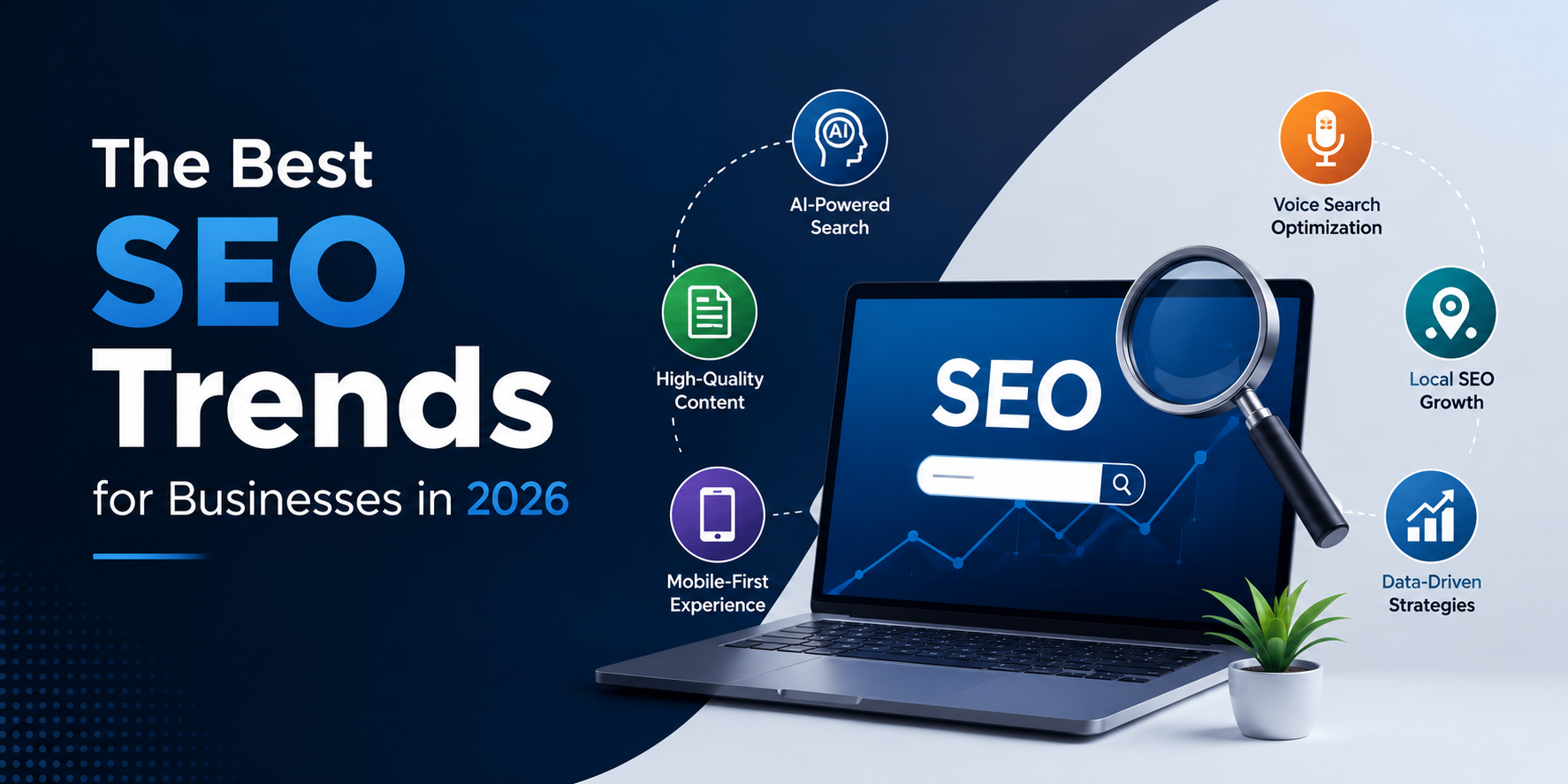
One of the biggest changes is the rise of AI-powered search. People are using platforms like ChatGPT, Gemini, and other AI assistants to find answers instead of only searching on Google. These tools prefer content that is clear, trustworthy, and well-structured. Businesses that provide useful information have a better chance of being recommended.
Another important trend is focusing on search intent instead of keyword stuffing. Search engines have become much better at understanding what users actually want. Rather than repeating the same keyword many times, businesses should answer real customer questions in simple language. Helpful content naturally performs better than content written only for rankings.
High-quality content continues to play a major role in SEO. Search engines reward websites that share original insights, practical advice, and accurate information. Whether you publish blogs, service pages, or guides, every page should solve a problem or answer a question. Regularly updating older content also helps keep your website relevant.
Website experience has become another key ranking factor. A fast-loading website, mobile-friendly design, secure connection, and easy navigation encourage visitors to stay longer. If users can quickly find what they need, search engines are more likely to consider your website valuable.
Local SEO is becoming even more important for businesses that serve specific cities or regions. Keeping your business profile updated, collecting genuine customer reviews, and maintaining consistent business information across the web can improve local visibility. This helps customers find your business when searching for products or services nearby.
Voice search is also influencing how people search online. Instead of typing short phrases, users often ask complete questions using their phones or smart devices. Creating content that answers natural, conversational questions increases the chances of appearing in voice search results.
Building authority is another trend that businesses cannot ignore. Search engines prefer websites that demonstrate expertise and trustworthiness. Publishing informative content, earning quality backlinks, and showcasing real experience in your industry help build long-term credibility.
Even though users might not immediately perceive it, technical SEO is still crucial. Proper website structure, optimized images, clean URLs, internal linking, and structured data help search engines understand your website more efficiently. A technically healthy website gives your content a stronger chance of ranking well.
Finally, SEO is no longer just about attracting traffic. Businesses should measure how organic visitors interact with their website, generate leads, and complete purchases. Focusing on meaningful business results instead of rankings alone leads to a more successful SEO strategy.
SEO in 2026 is about providing value before promotion. Businesses that create useful content, improve user experience, and adapt to AI-driven search will stay ahead of the competition. Concentrate on assisting your audience in resolving their issues rather than chasing search engine algorithms. That approach will continue to deliver sustainable traffic, stronger brand visibility, and better business growth.