The way people find products and services is changing faster than ever. A few years ago, most customers started their journey by typing a question into a search engine and clicking through several websites. Today, many people are turning to AI tools to get direct answers, recommendations, and solutions.
This shift is creating a new customer journey—one that begins with AI.
Customers Want Answers, Not Searches
Modern customers value speed and convenience. Instead of spending time comparing multiple websites, they want quick and reliable information.
For example, someone looking for project management software may no longer search dozens of websites. Instead, they might ask an AI assistant, “What is the best project management software for a small business?” ” Within seconds, they receive a shortlist of options along with explanations.
This means customers are making decisions earlier and faster than before.
AI Will Become the Initial Point of Contact
AI tools are increasingly acting as digital advisors. They help users discover products, compare services, and solve problems before a business ever receives a website visit.
In many cases, the customer’s first interaction is no longer with a company website or social media page. It starts with an AI-generated answer.
Businesses that understand this shift can position themselves where these conversations are happening.
Trust Matters More Than Ever
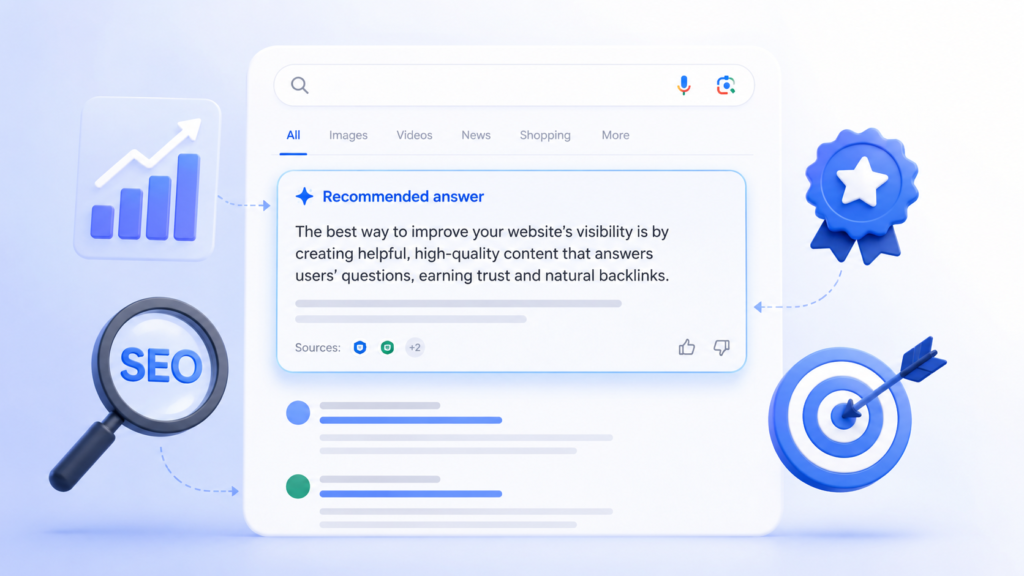
AI systems look for reliable information when generating responses. A company is more likely to be discussed or suggested if it has clear, accurate, and useful content available online.
This makes trust a critical factor in the new customer journey.
Companies that publish helpful articles, answer common questions, and demonstrate expertise are more likely to earn visibility in an AI-driven world.
The Role of Content Is Changing
Creating content is still important, but the purpose is evolving.
In the past, businesses often focused on ranking for specific keywords. These days, content should concentrate on resolving actual client issues and responding to sincere inquiries.
Useful content helps both people and AI systems understand what a business offers and why it is valuable.
The goal is no longer just attracting clicks. Becoming a reliable information source is the aim.
Customers Expect Personalized Experiences
AI can analyze user preferences and provide recommendations that feel more relevant and personal.
As a result, customers now expect businesses to understand their needs and deliver solutions quickly.
Brands that provide clear messaging, helpful resources, and seamless experiences are more likely to earn attention and trust.
What Businesses Should Do Next
The rise of AI does not mean websites, SEO, or digital marketing are disappearing. Instead, these strategies must adapt.
Businesses should focus on:
- Creating helpful and informative content
- Answering customer questions clearly
- Building trust through expertise and transparency
- Keeping website information accurate and up to date
- Providing a smooth customer experience across all channels
These efforts make it easier for both customers and AI systems to understand and recommend a business.
Final Thoughts
The customer journey is entering a new phase. Instead of beginning with a traditional search, many buying decisions now start with a conversation with AI.
Businesses that continue relying only on old digital marketing tactics may find it harder to stay visible. Those that focus on helping, educating, and building trust will be better positioned for the future.
The new customer journey starts with AI—but it still ends with businesses that provide real value.