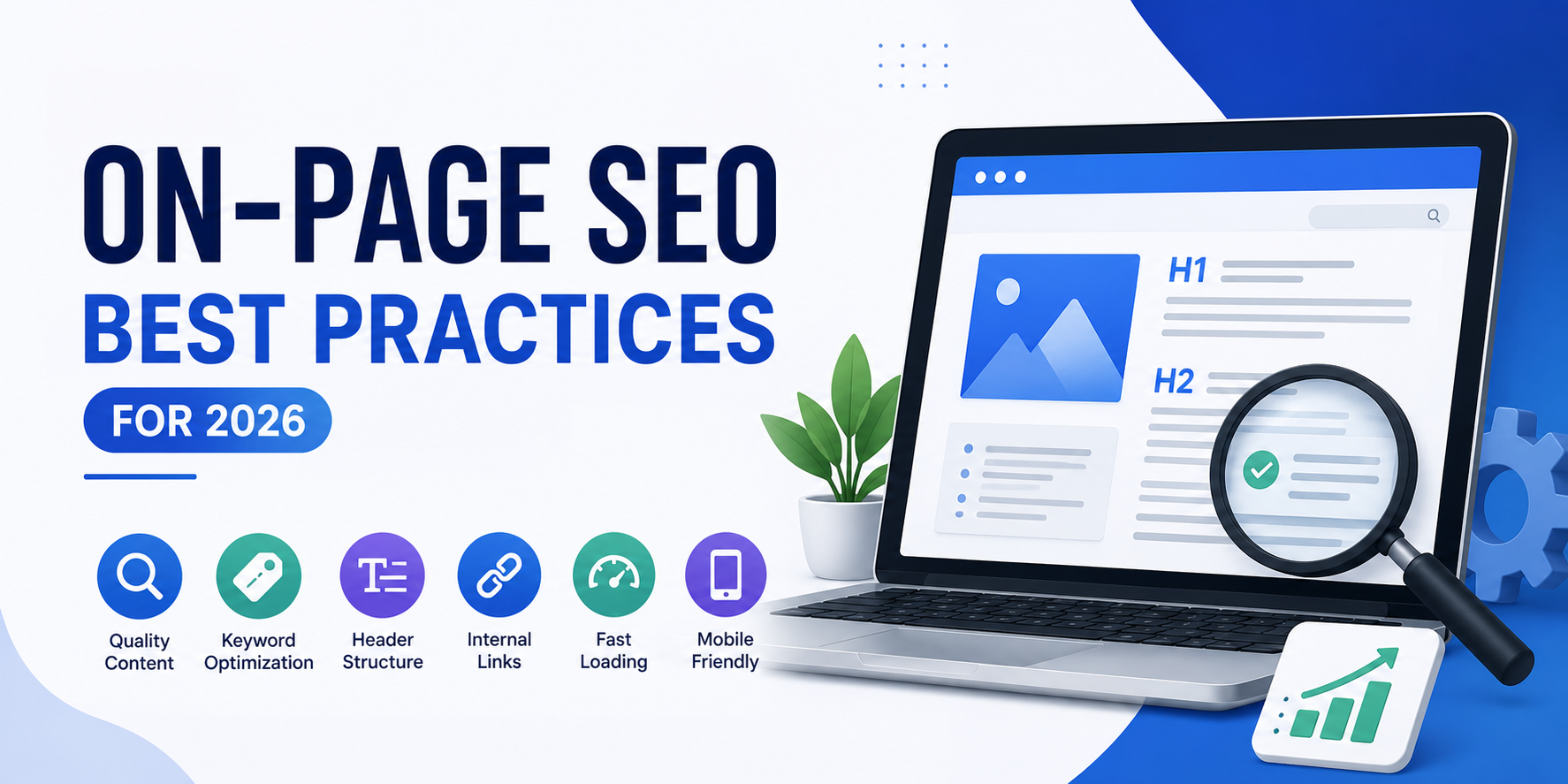
On-page SEO is the process of optimizing the content and elements on your website to help search engines and users understand your pages. While SEO has changed a lot with the rise of AI-powered search, the basics of on-page optimization are still important. In 2026, the focus is no longer on stuffing keywords. Instead, it’s about creating helpful, well-organized, and trustworthy content.
Here are the most important on-page SEO practices every website should follow in 2026.
Write for People First
The biggest SEO rule in 2026 is to create content that answers real user questions. Instead than writing solely for search engines, concentrate on assisting readers in resolving issues or gaining valuable knowledge. Your information is more valuable when it uses straightforward language, concise explanations, and real-world examples.
Use Keywords Naturally
Keywords are crucial, even though they should flow naturally into your content. Include your main keyword in the page title, first paragraph, headings, and meta description where appropriate. Search engines now recognize context and similar phrases, so try not to use the same keyword too frequently.
Create Clear Headings
Both users and search engines can comprehend a well-structured page more easily. Use one H1 heading for the page title and organize the rest of the content with H2 and H3 headings. Clear headings also improve readability and help users quickly find the information they need.
Optimize Title Tags and Meta Descriptions
Your page title and meta description are often the first things people see in search results. Write a title that is descriptive and includes your primary keyword. The meta description should briefly explain what users will learn if they visit your page and encourage them to click.
Improve Content Readability
Long paragraphs can make readers lose interest. Keep paragraphs short, use simple words, and explain technical topics in an easy way. Visitors are more likely to stay on your website longer when it is easy to read.
Add Internal Links
Linking to other relevant pages on your website helps visitors discover more useful content. Internal links also help search engines understand your website structure and improve the visibility of important pages.
Optimize Images
Images make content more engaging, but they should also be optimized. Use descriptive file names, write meaningful alt text, and compress images to improve page loading speed. In addition to improving user experience, faster websites boost search engine optimization.
Focus on Mobile Experience
Most users now browse websites on smartphones. Make sure your pages load quickly, display correctly on all screen sizes, and are easy to navigate. Both user satisfaction and search rankings are enhanced with a mobile-friendly website.
Keep Content Updated
SEO is not a one-time task. Review your pages regularly and update outdated information, statistics, and examples. Fresh content signals that your website remains relevant and provides accurate information.
Final Thoughts
On-page SEO in 2026 is about creating useful, high-quality content that delivers a great experience for users. While technical optimization and keywords are still important, search engines now reward websites that provide accurate information, answer user intent, and are easy to read.
You may increase the exposure of your website, foster audience trust, and maintain your competitiveness as search continues to change due to AI by adhering to these on-page SEO best practices.